Categoria: Congresso 2024

  • “The show must go on”. The experience of injury among Italian dancers: fears, thoughts, and beliefs. A qualitative study.

    “The show must go on”. The experience of injury among Italian dancers: fears, thoughts, and beliefs. A qualitative study.

    “The show must go on”. The experience of injury among Italian dancers: fears, thoughts, and beliefs. A qualitative study.

    Autori

    Bigi Elisabetta [ Reggio Emilia, Italy]

    Contri Angela [Cento, Italy]

    Menozzi Andrea [Reggio Emilia, Italy]

    Introduction

    Dancers face a high risk of sustaining one or more injuries during their career. Despite dealing with pain almost daily, many dancers report experiencing fear and anxiety related to injury and believing in a stigma existing around the injured dancer. Dancers often tend to hide symptoms, self-manage pain and delay reporting injury to healthcare professionals, possibly making long-standing problems worse. This may be due to the strict culture diffused in many dance environments, high competitivity between dancers and the often uncertain work conditions.

    Research shows better outcomes in terms of dancers satisfaction and confidence and a more positive relationship with the medical profession in countries where dance medicine experts are easy to reach for dancers (eg. The Netherlands). Up to date, there are no studies investigating these aspects in Italy, where dance medicine is far less developed compared to other Western countries.

    This qualitative, cross-sectional study aims at understanding the experience of Italian dancers with injury by investigating their thought, beliefs and behaviors related to the topic.

    Methods

    Study population: Professional dancers or students who dance >8 hours/week regardless of age, sex and dance style will be included in the study, including those who are unable or limited in their activity due to an injury at the present time. Dancers who could not participate in group interviews due to language barriers will not be included.

    Participants will be aggregated in focus groups and administered semi-structured interviews questioning experience, thoughts and beliefs about injury. Those who cannot take part to group interviews will be administered the interviews online. All participant will have to complete a demographic and anamnestic questionnaire and the  Italian Dance functional outcome Survey (DFOS)

    The Interviews will be recorded and then transcribed for qualitative and thematic data analysis, using the Framework Methods and NVivo Software

    Results

    This is study is a work in progress. Participants recruiting is currently in progress.

    Interviews are expected to take place in June-July 2024 and data analysis in August-September. The study should be completed by October 2024.

    Researchers expect dancers to report one or more recent injuries, and experiences of fear, anxiety, insecurity and social stigma related to injury. Researchers also expect dancers to report strategies of self-management of pain and hiding injury or delaying injury reporting.

    Discussion and Conclusion

    This will be the first study collecting qualitative data on injury experience amongst Italian Dancers. Results from this study should highlight the unique needs and psychosocial characteristics of the dance population, and could be used to enhance adequate strategies for injury prevention, treatment, and education interventions.

    REFERENCES

    Air M. Health Care Seeking Behavior and Perceptions of the Medical Profession among Pre- and Post-Retirement Age Dutch Dancers. Journal of dance medicine & science : official publication of the International Association for Dance Medicine & Science. 2009;13:42-50.

    Bowling A. Injuries to dancers prevalence, treatment, and perceptions of causes. British Medical Journal. 1989;298:731-734.

    Brinson P, Dick F. Fit to dance?: The report of the national inquiry into dancers’ health and injury. Calouste Gulbenkian Foundation; 1996.

    Gale NK, Heath G, Cameron E, Rashid S, Redwood S. Using the framework method for the analysis of qualitative data in multi-disciplinary health research. BMC medical research methodology. 2013;13:117

    Vassallo AJ, Pappas E, Stamatakis E, Hiller CE. Injury Fear, Stigma, and Reporting in Professional Dancers. Saf Health Work. 2019;10:260-264.

    McEwen K, Young K. Ballet and pain: reflections on a risk-dance culture. Qualitative Research in Sport, Exercise and Health. 2011;3:152-173.

  • “Nonsi? Spunnapeti ci fù!” Il patrimonio linguistico attiva strutture nervose come facilitatore nel recupero delle attività sensomotorie

    “Nonsi? Spunnapeti ci fù!” Il patrimonio linguistico attiva strutture nervose come facilitatore nel recupero delle attività sensomotorie

    “Nonsi? Spunnapeti ci fù!” (It’s a trap!) How language heritage activates nerve structures as a facilitator in the recovery of sensorimotor activities

    Autori

    Teresa Pintaudi (Università degli studi di Messina, Messina, Italia)

    Mariachiara Ceccio (Università degli studi di Messina, Messina, Italia)

    Francesco Bonanno (Università degli studi di Messina, Messina, Italia)

    Filippo Cavallaro (AOU “G. Martino”, Messina, Italia )

    Introduction

    From a spontaneous statement expressed by a patient during a declination of sequential recognition in a cognitive therapeutic exercise (CTE), We thought about the role of past memories and events related to family-like experiences and how they can contribute during the exercise.

    This reaction braked the subject in his decision-making process to reevaluate the experience, repeating it independently.

    Methods

    At the end of May 2024 during the daily physiotherapy session, Mr. “Fabrizio,” who was being followed for right encephalic stroke outcomes, was performing CTE exercises. Suddenly and unexpectedly he exclaimed: “Nonsi? Spunnapeti ci fù!” (it’s a trap!)

    He realized that what he had so far perceived could not match the proposal that had been presented. He opened his arms and stopped what he was doing.

    He returned to contact with the grant with a different focus and awareness for recognition.

    Results

    Complexity is an epistemic property, while freedom should belong to the intrinsic properties of that ontology system.

    In fact, the structures that constitute the living being have a specific organization characterized by a complexity of connections, linkages, relationships that answer to its properties and conditions of self-determination and survival. These structures have a freedom to assert their existence by learning opportunities wit the aim to adapt experiences and changes the body (disease) and the environment (context).

    Complex systems are predictable, knowing their initial conditions, in fact they are simulated in electronic computers. Therefore, the study and the deepening of knowledge in biology, physiology, psychology and sociology’s fields and all the disciplines which relate to man as a living being, can allow, those involved in the recovery of functions related to motor skills, the  using of knowledge pathways for the acquisition of motor skills and abilities.

    “Fabrizio”, who was guided during the recognition experience, notices a condition of unbalance, non-alignment and a lack of coherence, between the experience he was describing and the recent memory of the grants.

    To reinforce the discovery he retrieves a Sicilian phraseology coming from deeper memories that can enrich the way the experience is valued. Consequently, in the complexity field of connections, it is  activated a transdisciplinarity phenomenon (citing Jean Piaget).

    Discussion and Conclusion

    Everyone manifests in movements and behaviors, their personality, their culture and their freedom. This is even more evident in learning. In order to add an element among its skills, the person must modify itself both in the connections that characterize the functions of balance and coordination, and in the structures for weighing, speed, comfort.

    During the experience of illness the body asks us to be guided among its complexities to unravel its wires and find those that can give opportunities for recovery to win over the pathological drift.

    REFERENCES

    • Manzotti R., Tagliasco V. Coscienza e realtà, Il Mulino 2001
    • Morin E. Ancora un momento, Raffaello Cortina editore 2024
    • Morin E. Lezioni messinesi, Armando Siciliano editore 2006
    • Maturana H., Varela F. Macchine ed esseri viventi, Casa editrice Astrolabio 1992
    • Parisi D. Intervista sulle reti neurali, Il Mulino 1989
  • Modelli prognostici in pazienti con mal di schiena cronico nelle cure primarie hanno un alto rischio di bias e non sono validati – studi di alta qualitá sono necessari, una revisione sistematica

    Modelli prognostici in pazienti con mal di schiena cronico nelle cure primarie hanno un alto rischio di bias e non sono validati – studi di alta qualitá sono necessari, una revisione sistematica

    Modelli prognostici in pazienti con mal di schiena cronico nelle cure primarie hanno un alto rischio di bias e non sono validati – studi di alta qualitá sono necessari, una revisione sistematica

    Prognostic Models for Chronic Low Back Pain Outcomes in Primary Care Are at High Risk of Bias and Lack Validation-High-Quality Studies Are Needed: A Systematic Review

    Autori

    Fu, Yanyan [Department of General Practice, Erasmus University Medical Center, Rotterdam, The Netherlands]

    Feller, Daniel [Department of General Practice, Erasmus University Medical Center, Rotterdam, The Netherlands; Provincial Agency for Health of the Autonomous Province of Trento, Trento, Italy]

    Koes, Bart [Department of General Practice, Erasmus University Medical Center, Rotterdam, The Netherlands; Research Unit of General Practice, Department of Public Health and the Center for Muscle and Joint Health, University of Southern Denmark, Odense, Denmark]

    Chiarotto, Alessandro [Department of General Practice, Erasmus University Medical Center, Rotterdam, The Netherlands]

    Introduction

    The prognosis for patients with non-specific low back pain (LBP) can be difficult to determine due to the wide variation in its trajectory. 2 Relying on single prognostic factors such as age, gender, and pain intensity alone is not accurate enough for predicting the prognosis of health conditions. 3 Therefore, it is recommended that clinicians use prognostic models, which are models designed to predict the prognosis of a health condition using a combination of patient socio-demographic characteristics, clinical variables, laboratory, and/or imaging data, to determine the progression of LBP better. 4 An example of a prognostic model in the LBP field is the STarT Back Screening Tool. 5 Currently, no reviews have been published focusing on prognostic models for chronic LBP. Therefore, our systematic review aims to summarize the available evidence on the risk of bias and predictive performance (i.e., discrimination and calibration) of prognostic models for chronic LBP.

    Methods

    This systematic review protocol was registered in PROSPERO. 6 We searched MEDLINE ALL, Embase, Web of Science Core Collection, and CINAHL databases from inception to July 13 2022, to retrieve observational cohort studies, nested case-control studies, and randomized controlled trials on the development or validation of prediction models for the prognosis of adult patients (≥18 years old) with chronic (duration > 3 months) non-specific LBP in primary care. Our outcomes of interest were physical functioning, pain intensity, and health-related quality of life at any follow-up time point. Data extraction was based on the “Checklist for critical Appraisal and data extraction for systematic Reviews of prediction Modelling Studies” (CHARMS), 7 while the risk of bias was judged using the “Prediction model Risk of Bias Assessment Tool” (PROBAST). 8 The study selection, data extraction and risk of bias assessment phases were performed by two authors independently. Due to the insufficient number of included studies and their clinical heterogeneity , we did not perform meta-analyses.

    Results

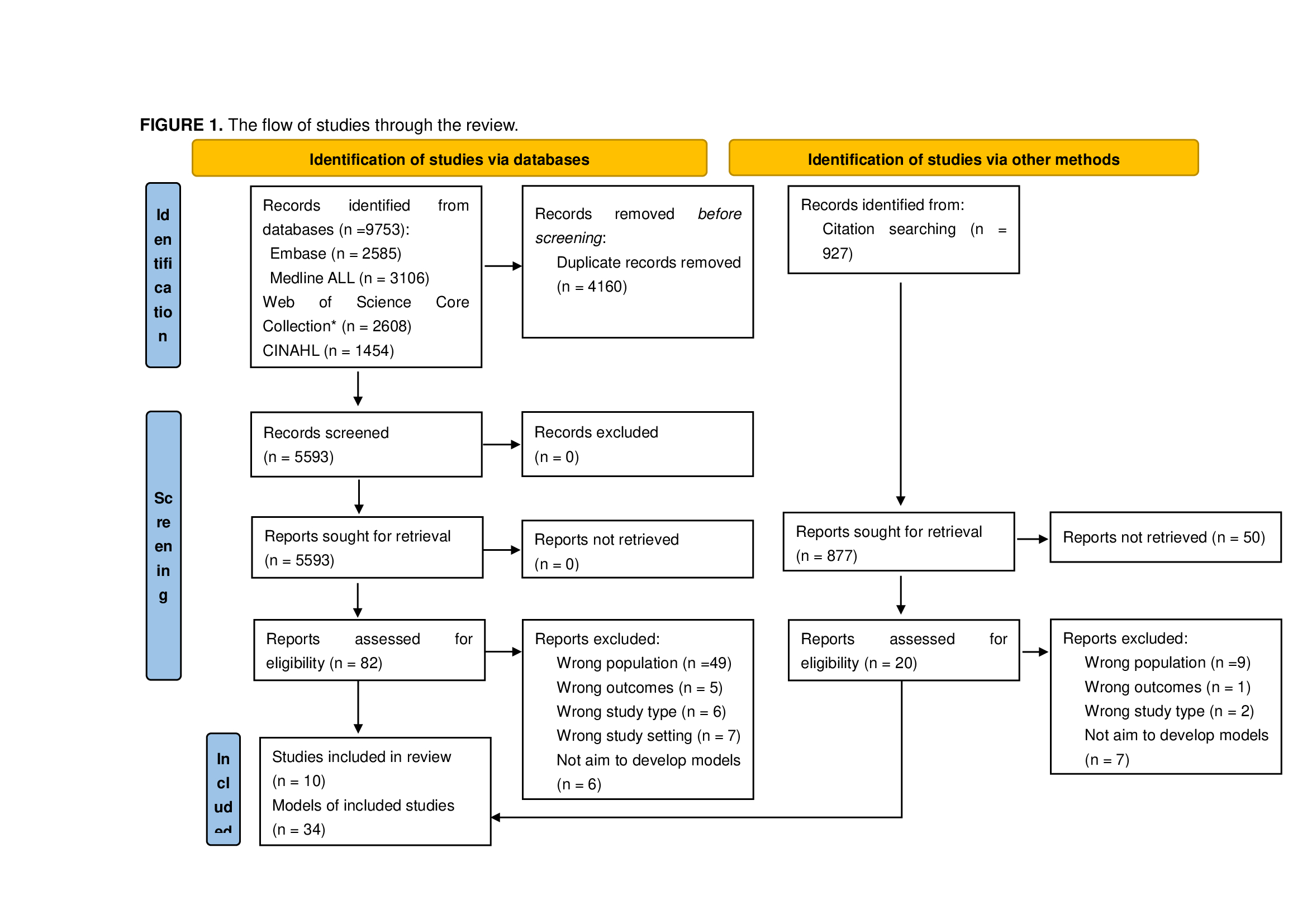
    We included 10 studies including a total of 34 models (Figure 1). Of these, 19 were in the development stage, 11 were in the external validation stage, and 4 models were in the internal validation stage. The studies focused on evaluating the prognosis of LBP-related physical functioning (9 studies), pain intensity (5 studies), and health-related quality of life (1 study) (Figure 2). All models were found to have an overall high risk of bias due to a high bias in the analysis domain of the PROBAST (Figure 3), and none of the models reported calibration measures. The most promising models in terms of discrimination were the “Örebro Musculoskeletal Pain Screening Questionnaire – Short Form” (ÖMPSQ – Short) (1 external validation study; AUC 0.78, 95% CI 0.65 to 0.91) 9 and the STarT Back (3 external validation studies; AUC ranging from 0.71 to 0.84). 10–12

    Discussion and Conclusion

    This systematic review is the first that aimed to search and evaluate all prognostic models for people with chronic LBP in primary care. All included models were found to have a high risk of bias (Figure 3). Additionally, due to inadequate reporting, it was not possible to fully assess the models’ performance in terms of both discrimination and calibration measures. The lack of reporting of calibration measures made it impossible to determine if the models accurately predicted the prognosis of LBP patients. Therefore, direct recommendations for the clinical use of existing models in predicting the prognosis of patients with chronic LBP cannot be provided. These results are consistent with systematic reviews of prognostic models for acute LBP, highlighting the need for more comprehensive research in this area. 13 Future studies on prognostic models for chronic LBP should focus on further external validation of the most promising models (ÖMPSQ – Short and the STarT Back), aiming to minimize bias with adequate reporting of all performance measures.

    REFERENCES

    1. Fu Y, et al. J Orthop Sports Phys Ther. 2024;54(5):1-13.
    2. Kongsted A, et al. BMC Musculoskeletal Disorders. 2016;17(1):220.
    3. Verkerk K, et al. Physical Therapy. 2012;92(9):1093-1108.
    4. Moons KGM, et al. Ann Intern Med. 2015;162(1):W1-W73.
    5. Hill JC, et al. Arthritis Rheum. 2008;59(5):632-641.
    6. https://www.crd.york.ac.uk/PROSPERO/display_record.php?RecordID=360366
    7. Moons KGM, et al. PLOS Medicine. 2014;11(10):e1001744.
    8. Moons KGM, et al. Ann Intern Med. 2019;170(1):W1-W33.
    9. Fuhro FF, et al. J Chiropr Med. 2021;20(4):191-198.
    10. Kendell M, et al. J Physiother. 2018;64(2):107-113.
    11. Kneeman J, et al. PM R. 2021;13(3):241-249.
    12. Pagé I, et al. BMC Musculoskelet Disord. 2015;16:201.
    13. Silva FG, et al. J Physiother. 2022;68(2):99-109.
  • “Una survey per fisioterapisti per indagare il management riabilitativo delle pazienti con POP e confrontarlo con la letteratura”

    “Una survey per fisioterapisti per indagare il management riabilitativo delle pazienti con POP e confrontarlo con la letteratura”

    “A survey for physiotherapists to investigate the rehabilitation management of patients with POP and compare it with the literature

    Autori

    Dott.ssa Silvia Baccini, fisioterapista, Master riabilitazione del pavimento pelvico

    Dott.ssa Cantù Daniela

    Introduction

    A questionnaire based on the most recent evidence about pelvic organs prolapse has been
    created and issued to a pool of physiotherapists specialised in pelvic floor rehabilitation.
    The final goal is to compare all of the data available in literature with the actual
    professional clinical execution.

    Methods

    Research on the latest POP rehabilitation revisions has been performed, together with
    analysing guidelines and RCT which have been published on the PubMed platform
    between the years 2020 and 2023. Based on its results, a list of 22 questions, subdivided
    into 4 main topics, has been drawn up: 1) competencies, training and clinical experience of
    the physiotherapist; 2) profile of the patient with POP who receives the physiotherapeutic
    treatment; 3) treatment tools and techniques; 4) outcome and modality of its achievement;
    5) pre and post surgery physiotherapy. The data gathered has finally been discussed and
    compared to the relevant evidence outlined in specialised literature.

    Results

    The questionnaire has been filled out by 86 physiotherapists who are either expert or
    specialised in pelvic floor rehabilitation. The collected data has been compared both with
    guidelines and the most recent articles issued in relation to the physiotherapeutic treatment
    of patients affected by POP. The data concerning the choices of treatment has come out to
    be different compared to what it would have been expected based on the evidence in
    literature. The choice to use PFMT as a treatment technique for POP patients’
    rehabilitation, has involved 67% of the physiotherapists. This percentage has been rather
    unexpected considering that popular guidelines such as NICE 2019 recommend it as an
    option for patients affected by POP. Also, other figures emerged to be in disagreement
    with the current literature: this is the case of hypopressive exercise and the use of pessary.

    Discussion and Conclusion

    The future objective would be to implement qualitative and meaningful studies and
    research in order to recognise the effectiveness of physical rehabilitative techniques for
    POP patients, including radiofrequency and hypopressive exercise, for which there is not
    much evidence still.
    It is necessary to strengthen studies and scientific evidence of the rehabilitative treatment
    applied in prevention of post-surgery relapse. Currently, there are no studies that can
    compare the long-term outcome preservation within groups of patients with prolapse
    setbacks, who have been treated with physiotherapy both before and after surgery, versus
    similar patients who have not undergone a physiotherapeutic cycle. Another relevant piece
    of data is about physiotherapists proposing pessary as a treatment option: only a very
    minimal percentage of colleagues do so. It is crucial to identify the reasons behind this, in
    light of the large amount of literature in support of the many benefits and advantages of
    this therapy option.

    REFERENCES

    ibliografia
    1. 1«Haylen BT, de Ridder D, Freeman RM, Swift SE, Berghmans B, Lee J, Monga A,
    Petri E, Rizk DE, Sand PK, Schaer GN; International Urogynecological
    Association; International Continence Society. An International Urogynecological
    Association (IUGA)/International Continence Society (ICS) joint report on the
    terminology for female pelvic floor dysfunction. Neurourol Urodyn. 2010;29(1):4-
    20. doi: 10.1002/nau.20798. PMID: 19941278.»
    2. «Prolapsus génital de la femme – Des solutions pour le traiter». HAS ( Haute
    Autoritè de Santeè), april 2022. https://www.has-
    sante.fr/jcms/p_3337359/fr/prolapsus-genital-de-la-femme-des-solutions-pour-le-
    traiter.
    3. Raju R, Linder BJ. Evaluation and Management of Pelvic Organ Prolapse. Mayo
    Clin Proc. 2021 Dec;96(12):3122-3129. doi: 10.1016/j.mayocp.2021.09.005.
    PMID: 34863399
    4. Urinary incontinence and pelvic organ prolapse in women: management NICE
    guideline Published:2April2019, www.nice.org.uk/guidance/ng123
    5. International urogynecology consultation chapter 3 committee 2; conservative
    treatment of patient with pelvic organ prolapse: Pelvic floor muscle training. Kari
    Bø , Sònia Anglès-Acedo, Achla Batra , Ingeborg Hoff Brækken , Yi Ling Chan ,
    Cristine Homsi Jorge , Jennifer Kruger , Manisha Yadav , Chantale Dumoulin
    11 Ottobre 2022
    6. Li C, Gong Y, Wang B. The efficacy of pelvic floor muscle training for pelvic
    organ prolapse: a systematic review and meta-analysis. Int Urogynecol J. 2016
    Jul;27(7):981-92. doi: 10.1007/s00192-015-2846-y. Epub 2015 Sep 25. PMID:
    26407564.
    7. American Urogynecologic Society Best Practice Statement:Evaluation and
    Counseling of Patients With Pelvic Organ Prolapse. Copyright © 2017 Wolters
    Kluwer Health | Lippincott Williams & Wilkins. Unauthorized reproduction of this
    article is prohibited
    8. Evaluation and Management of Pelvic Organ Prolapse, Rubin Raju, MD, and Brian
    J. Linder, MD Mayo Clin Proc. n December 2021;96(12):3122-3129 n
    https://doi.org/10.1016/j.mayocp.2021.09.005
    9. Narrative review of the epidemiology, diagnosis and pathophysiology of pelvic
    organ prolapse. Adi Y. Weintraub 1, Hannah Glinter 1, Naama Marcus-Braun 2. 1
    Department of Obstetrics and Gynecology, Soroka University Medical Center,
    Faculty of Medicine, Ben-Gurion University of the Negev, Beer-Sheba, Israel; 2
    75
    Department of Obstetrics and Gynecology, ZivMedical Center, Faculty of
    Medicine, Bar-Ilan university, Safed, Israel
    10. Family history and pelvic organ prolapse: a systematic review and meta-analysis
    Parisa Samimi1 & Sarah H. Jones2 & Ayush Giri2,3 Received: 10 July 2020
    /Accepted: 2 October 2020; The International Urogynecological Association 2020
    11. Wu JM, Vaughan CP, Goode PS, Redden DT, Burgio KL, Richter HE, et al.
    Prevalence and trends of symptomatic pelvic floor disorders in U.S. women.
    Obstet Gynecol. 2014;123:141-8.
    12. Luber KM, Boero S, Choe JY. The demographics of pelvic floor disorders: current
    observations and future projections. Am J Obstet Gynecol. 2001 Jun;184(7):1496-
    501; discussion 1501-3. doi: 10.1067/mob.2001.114868. PMID: 11408873..
    13. Risk factors for primary pelvic organ prolapse and prolapse recurrence: an updated
    systematic review and meta-analysis Sascha F. M. Schulten, MD; Marieke J. Claas-
    Quax, MD, PhD; Mirjam Weemhoff, MD, PhD; Hugo W. van Eijndhoven, MD,
    PhD; Sanne A. van Leijsen, MD, PhD; Tineke F. Vergeldt, MD, PhD; Joanna
    IntHout, PhD; Kirsten B. Kluivers, MD, PhD Systematic Review, AUGUST 2022
    American Journal of Obstetrics & Gynecology
    14. Hallock JL, Handa VL. The Epidemiology of Pelvic Floor Disorders and
    Childbirth: An Update. Obstet Gynecol Clin North Am. 2016 Mar;43(1):1-13. doi:
    10.1016/j.ogc.2015.10.008. PMID: 26880504; PMCID: PMC4757815.
    15. Veit-Rubin N, Cartwright R, Singh AU, Digesu GA, Fernando R, Khullar V.
    Association between joint hypermobility and pelvic organ prolapse in women: a
    systematic review and meta-analysis. Int Urogynecol J. 2016;27:1469-78.
    16. Patel DA, Xu X, Thomason AD, Ransom SB, Ivy JS, DeLancey JO. Childbirth and
    pelvic floor dysfunction: an epidemiologic approach to the assessment of
    prevention opportunities at delivery. Am J Obstet Gynecol.2006;195:23-8.
    17. Volløyhaug I, Mørkved S, Salvesen Ø, Salvesen KÅ. Forceps delivery is associated
    with increased risk of pelvic organ prolapse and muscle trauma: a cross-sectional
    study 16-24 years after first delivery. Ultrasound Obstet Gynecol 2015;46:487–95.
    18. Glazener C, Elders A, MacArthur C, et al.Childbirth and prolapse: long-term
    associations with the symptoms andobjectivemeasurement of pelvic organ prolapse.
    BJOG 2013;120:161–8.
    76
    19. Petros PE, Woodman PJ. The Integral Theory of continence. Int Urogynecol J
    Pelvic Floor Dysfunct. 2008 Jan;19(1):35-40. doi: 10.1007/s00192-007-0475-9.
    Epub 2007 Oct 30. PMID: 17968480.
    20. Swift S, Woodman P, O’Boyle A, et al. Pelvic Organ Support Study (POSST): the
    distribution, clinical definition, and epidemiologic condition of pelvic organ
    support defects. Am J Obstet Gynecol 2005;192(3): 795–806. Bradley CS, Nygaard
    IE. Vaginal wall descensus and pelvic floor symptoms in older women. Obstet
    Gynecol 2005;106(4):759–766.
    21. American Urogynecologic Society Best Practice Statement: Evaluation and
    Counseling of Patients With Pelvic Organ Prolapse. Female Pelvic Med Reconstr
    Surg. 2017 Sep/Oct;23(5):281-287. doi: 10.1097/SPV.0000000000000424. Erratum
    in: Female Pelvic Med Reconstr Surg. 2018 May/Jun;24(3):256. PMID: 28846554.
    22. MeisterMR, Sutcliffe S,Ghetti C, et al. Development of a standardized,
    reproducible screening examination for assessment of pelvic floor myofascial pain.
    Am J Obstet Gynecol. 2019;220(3):255.e1-e9.
    23. Pelvic organ prolapse: ACOG Practice Bulletin, Number 214. Obstet Gynecol.
    2019;134(5):e126-e142. Chen CCG, Cox JT, Yuan C, Thomaier L, Dutta S.
    Knowledge of pelvic floor disorders in women seeking primary care: a cross-
    sectional study. BMC Fam Pract. 2019;20(1):70.
    24. MeisterMR, Sutcliffe S,Ghetti C, et al. Development of a standardized,reproducible
    screening examination for assessment of pelvic floor myofascial pain. Am J Obstet
    Gynecol. 2019;220(3):255.e1-e9.
    25. Urinary incontinence and pelvic organ prolapse in women: management
    NICE guideline Published: 2 April 2019, www.nice.org.uk/guidance/ng123
    26. Bo K, Frawley HC, Haylen BT, et al. An International Urogynecological
    Association (IUGA)/International Continence Society (ICS) joint report on the
    terminology for the conservative and nonpharmacological management of female
    pelvic floor dysfunction. Neurourol Urodyn. 2017;36(2) 221‐244.
    https://doi.org/10.1002/nau.23107)
    27. (Hagen S, Stark D. Conservative prevention and management of pelvic organ
    prolapse in women. Cochrane Database Syst Rev. 2011;(12)):003882.
    https://doi.org/10.1002/14651858.CD003882.
    77
    28. Completeness of exercise reporting among randomized controlled trials on pelvic
    floor muscle training for women with pelvic organ prolapse: A systematic review
    Silvia Giagio Tiziano Innocenti, Stefano Salvioli, Alessandra Lami, Maria Cristina
    Meriggiola, Paolo Pillastrini1, Giulia Gava.
    29. Impact of pelvic floor muscle training in pelvic organ prolapse Ritu Basnet1
    Received: 26 July 2020 /Accepted: 11 November 2020 # The International
    Urogynecological Association 2021. https://doi.org/10.1007/s00192-021-04875-y
    30. Effects of Pelvic-Floor Muscle Training in Patients with Pelvic Organ Prolapse
    Approached with Surgery vs. Conservative Treatment: A Systematic Review.
    Andrea Espiño-Albela 1, Carla Castaño-García 2, Esther Díaz-Mohedo 3,* and
    Alfonso Javier Ibáñez-Vera
    31. (Are hypopressive and other exercise programs effective for the treatment of pelvic
    organ prolapse? Kari Bø1,2 · Sònia Angles‑Acedo3 · Achla Batra4 · Ingeborg H.
    Brækken5,6 · Yi Ling Chan7 · Cristine Homsi Jorge8 · Jennifer Kruger9 · Manisha
    Yadav10 · Chantale Dumoulin. https://doi.org/10.1007/s00192-022-05407-y
    32. Martín-Rodríguez S, Bo K. Is abdominal hypopressive technique effective in the
    prevention and treatment of pelvic floor dysfunction? Marketing or evidence from
    high-quality clinical trials? Br J Sports Med. 2019;53(2):135–6. https:// doi. org/
    10. 1136/ bjsports- 2017- 098046.
    33. Hernández RRV. Efficacy of hypopressive abdominal gymnastics in rehabilitating
    the pelvic floor of women: a systematic review. Actas, Urol Esp (Engl Ed).
    2018;42(9):557–66. https:// doi. org/ 10. 1016/j. acuro. 2017. 10. 004.)
    34. Resende APM, Bernardes BT, Stupp L, Oliveira E, Castro RA, Girao M, Sartori
    MGF. Pelvic floor muscle training is better than hypopressive exercises in pelvic
    organ prolapse treatment: an assessor-blinded randomized controlled trial.
    Neurourol Urodyn. 2019;38(1):171–9. https:// doi. org/ 10. 1002/ nau. 23819.
    35. Navarro-Brazález B, Prieto-Gómez V, Prieto-Merino D, Sánchez-Sánchez B,
    McLean L, Torres-Lacomba M. Effectiveness of hypopressive exercises in women
    with pelvic floor dysfunction: a randomised controlled trial. J Clin Med.
    2020;9(4):1149. https:// doi. org/10. 3390/ jcm90 41149.
    36. Reman T, Cacciari L, Voelkl JG, Malcolm D, Budgett D, Kruger J,Dumoulin C.
    Intravaginal pressure profile during two diaphragmatic aspiration tasks in women
    with stress urinary incontinence: a cross sectional study. Neurourol Urodyn.
    2020;39(S2).
    78
    37. Mowat A, Maher D, Baessler K, Christmann-Schmid C, Haya N, Maher C. Surgery
    for women with posterior compartment prolapse. Cochrane Database Syst Rev.
    2018 Mar 5;3(3):CD012975. doi: 10.1002/14651858.CD012975. PMID: 29502352;
    PMCID: PMC6494287.
    38. Alas AN, Bresee C, Eilber K, et al. Measuring the quality of care provided to
    women with pelvic organ prolapse. Am J Obstet Gynecol 2015;212(4):471.e1–
    471.e9. doi:10.1016/j.ajog.2014.10.1105.
    39. Bugge C, Adams EJ, Gopinath D, et al. Pessaries (mechanical devices) for
    managing pelvic organ prolapse in women. Cochrane Database Syst Rev
    2020;11:CD004010. doi:10.1002/14651858. CD004010.pub4.
    40. Urogynecology (Phila) . 2023 Jan 1;29(1):5-20. doi:
    10.1097/SPV.0000000000001293. Vaginal Pessary Use and Management for
    Pelvic Organ Prolapse: Developed by the joint writing group of the American
    Urogynecologic Society and the Society of Urologic Nurses and Associates.
    Individual writing group members are noted in the Acknowledgments section . No
    authors listed PMID: 36548101 DOI: 10.1097/SPV.0000000000001293
    41. UK Clinical Guideline for best practice in the use of vaginal pessaries for pelvic
    organ prolapse
    42. (Efficacy of biofeedback on quality of life in stages I and II pelvic organ prolapse:
    A Pilot study. Tannaz Ahadi, Neda Taghvadoost, Soheila Aminimoghaddam, Bijan
    Forogh, Roxana Bazazbehbahani, Gholam Reza Raissi.
    Published:June 15, 2017 DOI:https://doi.org/10.1016/j.ejogrb.2017.06.023
    43. Evaluation of the effect of electrical stimulation combined with biofeedback
    therapy for postpartum pelvic organ prolapse: a static and dynamic magnetic
    resonance imaging study. Wang Qiujing , Zhao Yujiao , Huang Lixiang , Zhang
    Jing , Shen Wen , Authors Info & Affiliations. Published: 2019 -01 -29 ·DOI:
    10.3760/cma.j.issn.0376-2491.2019.05.011
    44. Electrical stimulation plus biofeedback improves urination function, pelvic floor
    function, and distress after reconstructive surgery:a randomized controlled trial.
    Aiming Lv1 · Tianzi Gai 1 · Sichen Zhang1 · Qing Feng1 · Ye Li.
    Vol.:(0123456789)1 3International Journal of Colorectal Disease (2023) 38:226
    https://doi.org/10.1007/s00384-023-04513-7
    45. Original Article Clinical effect of electrical stimulation biofeedback therapy
    combined with pelvic floor functional exercise on postpartum pelvic organ prolapse
    79
    CVFulian Zhong, Wenbin Miao, Zhixia Yu, Lu Hong, Ni’na Deng. PMID:
    34306406 PMCID: PMC8290786
    46. Berghmans B, Seleme. The ‘5 F’s concept for pelvic floor muscle training: from
    finding the pelvic floor to functional use. J Womens Health. 2020;3:131–4.
    47. Deffieux X, Hubeaux K, Porcher R, Sheikh Ismael S, Raibaut P, Amarenco G.
    Abnormal pelvic response to cough in women With stress urinary incontinence.
    Neurourol Urodyn. 2008;27(4):291–6. https://doi.org/10.1002/nau.20506.
    48. Bø MS. Pelvic floor and exercise science. In: Bø K, Berghmans MS, Van Kampen
    M, editors. Evidence-based physical therapyfor the pelvic floor bridging science
    and clinical practice. 2nd ed. Edinburgh: Elsevier; 2015. p. 111–6.
    49. Impact of pelvic floor muscle training in pelvic organ prolapse Ritu Basnet1
    Received: 26 July 2020 /Accepted: 11 November 2020. The International
    Urogynecological Association 2021, International Urogynecology Journal,
    https://doi.org/10.1007/s00192-020-04613-w)
    50. Effects of Pelvic-Floor Muscle Training in Patients with Pelvic Organ Prolapse
    Approached with Surgery vs. Conservative Treatment: A Systematic Review.
    Andrea Espiño-Albela , Carla Castaño-García , Esther Díaz-Mohedo and Alfonso
    Javier Ibáñez-Vera
    51. “Is PREHAB in Pelvic Floor Surgery Needed? A Topical Review Jacek K.
    Szymański, Małgorzata Starzec‐Proserpio, Aneta Słabuszewska‐Jóźwiak and
    Grzegorz Jakiel
    52. Bø, K. Pelvic floor muscle training in treatment of female stress urinary
    incontinence, pelvic organ prolapse and sexual dysfunction. World J. Urol. 2012,
    30, 437–443.
    Snowden, C.P.; Anderson, H. Preoperative optimization: Rationale and process: Is
    it economic sense? Curr.Opin. Anaesthesiol. 2012, 25, 210–216
  • Un condrosarcoma in una donna anziana simula una spalla rigida dolorosa: Un case report sulla diagnosi differenziale e su un innovativo sistema protesico.

    Un condrosarcoma in una donna anziana simula una spalla rigida dolorosa: Un case report sulla diagnosi differenziale e su un innovativo sistema protesico.

    Un condrosarcoma in una donna anziana simula una spalla rigida dolorosa: Un case report sulla diagnosi differenziale e su un innovativo sistema protesico.

    Chondrosarcoma in elderly woman mimicking shoulder pain and stiffness: A case report of differential diagnosis and innovative surgery.

    Autori

    Maselli Filippo [Department of Human Neurosciences, Sapienza University of Rome, Rome, Italy]

    Montanari Laura [Department of Human Neurosciences, Sapienza University of Rome, Rome, Italy]

    Vincenzi Simone [Department of Human Neurosciences, Sapienza University of Rome, Rome, Italy]

    Bordato Mattia [Department of Human Neurosciences, Sapienza University of Rome, Rome, Italy]

    Galardini Lorenzo [Department of Human Neurosciences, Sapienza University of Rome, Rome, Italy]

    Marruganti Sharon [Department of Human Neurosciences, Sapienza University of Rome, Rome, Italy]

    Disantarosa Alessia [Department of Human Neurosciences, Sapienza University of Rome, Rome, Italy]

    Salomon Mattia [Department of Human Neurosciences, Sapienza University of Rome, Rome, Italy]

    Introduction

    Shoulder pain is the third most common symptom among musculoskeletal disorders. In some instances, shoulder pain could conceal a spectrum of pathologies outside physical therapy’s scope of practice.

    Several systemic or visceral disorders can be the cause of referred pain to the shoulder girdle, including tumors, infection, cardiovascular or pulmonary disease. Shoulder pain and stiffness of tumoral origin can be due to primary bone neoplasm, lung neoplasm or Pancoast tumor, differing from other common musculoskeletal presentation. Specially, chondrosarcomas are defined as a group of bone cancers which develop in cartilage cells, mainly affect adults and that are the second most common primary bone tumor, after osteosarcoma.

    This case report aims to describe the clinical presentation, history taking, physical examination and challenging clinical decision-making procedures in a patient with primary chondrosarcoma mimicking a musculoskeletal disorder of the shoulder girdle.

    Methods

    This case report was written following the CAse REport (CARE) checklist.

    Written informed consent has been obtained from the patient for publication of this case report and any accompanying images.

    M.C., a 66-year-old housewife, presented to the physical therapist in November 2022 with severe pain and disability in her right shoulder. She reported pain onset in February 2022, with worsening symptoms located on the anterolateral aspect of the proximal humerus, without apparent cause.

    Results

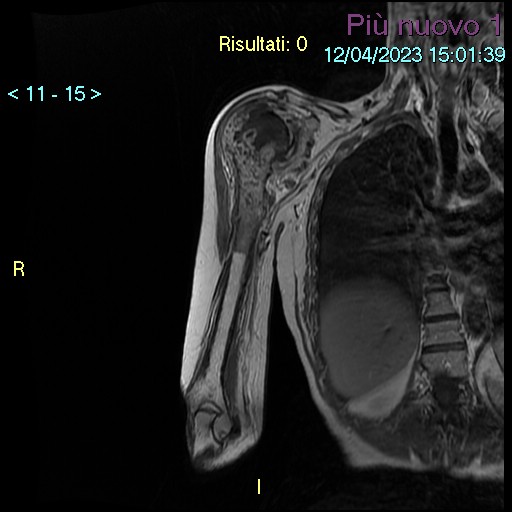
    Previously, the patient was diagnosed with “shoulder impingement syndrome” and underwent extracorporeal shockwave therapy combined with corticosteroid without benefit. A consultation by a specialized physical therapist highlighted relevant signs of possible inflammation (brushing, edematous, painful and warm shoulder). Severe stiffness was detected, both for active and passive movements. In addition, a strong smell in the axillary region was reported (without signs of poor personal hygiene). Strength was assessed, with positive signs of weakness and loss of function. A further consultation with an orthopedic surgeon was therefore suggested. Radiological findings, in December 2022, detected small calcifications of the soft tissues, while a subsequent Magnetic Resonance Imaging showed a progressive osteolytic pathology. Lastly, biopsy confirmed the diagnosis of primary 2nd stage chondrosarcoma. In April 2023, a massive resection of 15cm of the proximal humerus was conducted, with subsequent shoulder replacement with an innovative modular prosthesis.

    Discussion and Conclusion

    This case report emphasizes the importance of differential diagnosis and screening for referral in physical therapy. Physical therapists must be able to identify signs and symptoms suggesting the presence of severe medical pathology.

    Malignant chondral tumors are uncommon in the shoulder region. However, with increasing access to, and indications for, multiple imaging modalities, the discovery of incidental chondral lesions is more common and estimated at between 2% and 4%.

    Misdiagnosing shoulder tumors as frequent shoulder musculoskeletal conditions is likely to cause a significant delay in making a correct diagnosis and a major deterioration of the prognosis.

    There is still uncertainty regarding their optimal management. For this reason, the case report also highlights the surgical pathway and the subsequent rehabilitation after massive resection of the humerus and shoulder replacement with a modular prosthesis, enriching the literature in the field.

    REFERENCES

    1. Itoi E, Arce G, Bain GI, Diercks RL, Guttmann D, Imhoff AB, Mazzocca AD, Sugaya H, Yoo YS. Shoulder Stiffness: Current Concepts and Concerns. Arthroscopy. 2016 Jul;32(7):1402-14. doi: 10.1016/j.arthro.2016.03.024. Epub 2016 May 12. PMID: 27180923.
    2. Sano H, Hatori M, Mineta M, Hosaka M, Itoi E. Tumors masked as frozen shoulders: a retrospective analysis. J Shoulder Elbow Surg. 2010 Mar;19(2):262-6. doi: 10.1016/j.jse.2009.05.010. Epub 2009 Jul 1. PMID: 19574068.
    3. Jassim SS, Hilton T, Saifuddin A, Pollock R. The incidence and outcome of chondral tumours as incidental findings on investigation of shoulder pathology. Eur J Orthop Surg Traumatol. 2020 Jan;30(1):97-102. doi: 10.1007/s00590-019-02532-1. Epub 2019 Aug 17. PMID: 31422474.
    4. LaPrade CM, Andryk LM, Christensen JL, Neilson JC, Wooldridge AN, Hackbarth DA, Bedi M, King DM. Natural history of intraosseous low-grade chondroid lesions of the proximal humerus. Front Oncol. 2023 Aug 11;13:1200286. doi: 10.3389/fonc.2023.1200286. PMID: 37637054; PMCID: PMC10457155.
    5. Peters CS, Luo TD, Voss EE, Papadonikolakis A, Emory CL. Post-operative Outcomes and Survivorship for Shoulder Arthroplasty following Glenohumeral Tumor Resection. J Surg Orthop Adv. 2022 Winter;31(4):248-251. PMID: 36594983.
  • La definizione del setting riabilitativo in fase prechirurgica può migliorare l’appropriatezza nei percorsi PTA e PTG? Ruolo del Fisioterapista Gestore Percorsi

    La definizione del setting riabilitativo in fase prechirurgica può migliorare l’appropriatezza nei percorsi PTA e PTG? Ruolo del Fisioterapista Gestore Percorsi

    La definizione del setting riabilitativo in fase prechirurgica può migliorare l’appropriatezza nei percorsi PTA e PTG? Ruolo del Fisioterapista Gestore Percorsi

    Can the Definition of the Rehabilitation Setting in the Pre-Surgical Phase Improve Appropriateness in Hip and Knee Replacement Pathways? The Role of the Physiotherapist as Pathway Manager

    Autori

    CARETTA INGRID – (Physical Medicine and Rehabilitation Unit, Santa Maria Nuova Hospital – Reggio Emilia, Azienda Unità Sanitaria Locale – IRCCS di Reggio Emilia – Italy.)

    BENASSI MONICA – (Orthopedic Unit, Santa Maria Nuova Hospital – Reggio Emilia, Azienda Unità Sanitaria Locale – IRCCS di Reggio Emilia – Italy)

    MAZZOLA SONIA – (Orthopedic Unit, Santa Maria Nuova Hospital – Reggio Emilia, Azienda Unità Sanitaria Locale – IRCCS di Reggio Emilia – Italy)

    MANFREDI NICOLETTA – (Physical Medicine and Rehabilitation Unit, Santa Maria Nuova Hospital – Reggio Emilia, Azienda Unità Sanitaria Locale – IRCCS di Reggio Emilia – Italy.)

    FIOCCHI ALENA – (Physical Medicine and Rehabilitation Unit, Santa Maria Nuova Hospital – Reggio Emilia, Azienda Unità Sanitaria Locale – IRCCS di Reggio Emilia – Italy)

    RANCATI JACOPO MATTEO – (Care Management Unit, Azienda Unità Sanitaria Locale – IRCCS di Reggio Emilia – Italy)

    Introduction

    Since the second half of 2020, our institution has introduced a pre-surgical planning model for rehabilitation pathways regarding patients scheduled for hip and knee replacement. The model involves profiling cases using the BRASS scale and a socio-environmental assessment. Profiling is carried out by the nurses of the Pre-Hospitalization Service and determines the discharge setting, whether inpatient or outpatient rehabilitation. The discharge destination is negotiated with the patients and recorded on specific electronic forms. The Pathway Manager Physiotherapist (FGP) monitors the surgical room schedule and pre-activates the networked rehabilitation services that will take over the cases after discharge. In the orthopedic ward, rehabilitation is initiated directly by physiotherapists, who, in collaboration with nursing and medical staff, inform the FGP of any need to reassess the pathway. In this study we report results about first 4 years of production.

    Methods

    During the first year of implementing the new model, a monitoring of several process indicators related to user adherence and pathway safety was developed by a specific database. This monitoring allowed to collect data relating to user participation and safety of pathway.

    In the meanwhile of implementation we activated some adjustments to increase the timeliness and appropriateness of post-surgical interventions, including the activation of the medical staff in case of complications directly activated by the physiotherapist. Moreover, the workflows for sending outpatient cases (by FGP) were refined to improve rehabilitation continuity with direct access pathways, involving the rehabilitation team in case of emerging complexities, as reported by the physiotherapist.

    In the long term, the analysis was conducted based on the discharge form (SDO) flows on an annual basis, monitoring indicators related to average length of stay and the percentage of discharge to other care settings.

    Results

    In the first year of implementation, 292 cases were profiled, and the user adherence rate to the proposed rehabilitation pathways was 88.7%. Factors that facilitated adherence to the outpatient pathway included the continuity of rehabilitation services offered and the fear of infectious risks associated with hospital stays (also due to the COVID-19 pandemic context). Obstacles included the absence of adequate family support and the presence of architectural barriers. No significant adverse events were recorded in the sample.

    The need to revise planned pathways due to the emergence of complications affected 13 cases out of the 280 actually undergoing surgical intervention.

    The SDO flows monitored annually from 2020 to 2023 highlighted a steady decline in cases managed in inpatient settings (from 50% to 30%), improving the appropriateness of settings, with no significant variations in the average length of stay (more detail in the attached images)

    Discussion and Conclusion

    The implemented model highlights that rehabilitation pathway planning for the examined cases can be standardized and defined in the pre-surgical phase without compromising patient safety. The intervention of the medical staff is necessary if the predetermined pathway exhibits complications and can be directly activated by the physiotherapist within the rehabilitation team.

    The model contributes to facilitating pathways in terms of intervention timeliness and rehabilitation continuity, concurrently improving appropriateness in the choice of care setting and resource utilization.

    The role of a Pathway Manager Physiotherapist (FGP) is functional in governing patient flows within the service network in collaboration with other involved professionals. The model is potentially exportable and replicable; it requires the establishment of an interconnected network of rehabilitation services, a structured rehabilitation team, and can contribute to cost containment.

    REFERENCES

    1. Gkagkalis, G., et al. (2019). “Are the cumulated ambulation score and risk assessment and prediction tool useful for predicting discharge destination and length of stay following total knee arthroplasty?” Eur J Phys Rehabil Med.
    2. Li, G., et al. (2019). “Factors associated with the length of stay in total knee arthroplasty patients with the enhanced recovery after surgery model.” J Orthop Surg Res 14(1): 343.
    3. Roger, C., et al. (2019). “Factors associated with hospital stay length, discharge destination, and 30-day readmission rate after primary hip or knee arthroplasty: Retrospective Cohort Study.” Orthop Traumatol Surg Res 105(5): 949-955.
    4. Shah, A., et al. (2019). “Preoperative Patient Factors Affecting Length of Stay following Total Knee Arthroplasty: A Systematic Review and Meta-Analysis.” J Arthroplasty 34(9): 2124-2165.e2121.
    5. Nuti, Vainieri, Bonini (2010). “Disinvestment for re-allocation: a process to identify priorities in healthecare.” Health Policy 95(2-3):137-43
  • Dall’implementazione della cartella riabilitativa basata sul modello tassonomico ICF, alla realizzazione di strumenti di valutazione della performance dei professionisti

    Dall’implementazione della cartella riabilitativa basata sul modello tassonomico ICF, alla realizzazione di strumenti di valutazione della performance dei professionisti

    Dall’implementazione della cartella riabilitativa basata sul modello tassonomico ICF, alla realizzazione di strumenti di valutazione della performance dei professionisti

    From the implementation of the rehabilitation record based on the ICF taxonomic model to the implementation of performance evaluation tools for healthcare professionals

    Autori

    RANCATI JACOPO MATTEO – (Care Management Unit, Azienda Unità Sanitaria Locale – IRCCS di Reggio Emilia – Italy)

    MONTECCHI MARIA GIULIA – (Neuro-Rehabilitation Unit, S. Sebastiano Hospital – Correggio, Azienda Unità Sanitaria Locale – IRCCS di Reggio Emilia – Italy)

    REVERBERI CRISTINA – (Care Management Unit, Azienda Unità Sanitaria Locale – IRCCS di Reggio Emilia – Italy)

    GUARESCHI ERIKA – (Information Technology Unit, Azienda Unità Sanitaria Locale – IRCCS di Reggio Emilia – Italy)

    ZEULI GIUSEPPE – (Information Technology Unit, Azienda Unità Sanitaria Locale – IRCCS di Reggio Emilia – Italy

    RICCO’ ROBERTA – (Care Management Unit, Azienda Unità Sanitaria Locale – IRCCS di Reggio Emilia – Italy)

    BOCCIA ZOBOLI ANTONIO – (Care Management Unit, Azienda Unità Sanitaria Locale – IRCCS di Reggio Emilia – Italy)

    Introduction

    The progressive digitization of healthcare documentation is compelling health professionals to change their operational habits related to record-keeping. The configuration of electronic health record (CCE) templates is strategically significant for service managers, both to facilitate this transition and to guide and monitor the professional behaviour of their collaborators.

    Based on taxonomic models from relevant literature in the rehabilitation field (International Classification of Functioning – ICF), our institution has configured a rehabilitative electronic health record template (CCE-R) along with a reporting system. The purpose of the present work is to present its contents in various application settings. Some of the indicators and standards outlined have been proposed for monitoring physiotherapists’ performance, especially in the context of specific diagnostic-therapeutic care pathways (PDTA).

    Methods

    The ICF references were used both in the development of rehabilitative assessment in inpatient and outpatient settings and in the configuration of the physiotherapist’s log in a consultancy context. The templates were prepared in macro-sections containing lists of descriptors (related to functions being assessed or activities performed) selectable with a dichotomous approach (0-1), followed by an analytical field to complete the description of the item in qualitative and quantitative terms. The choice of terminology was subject to interprofessional analysis to clear out any interpretative differences and standardize the semantics. The use of pre-configured closed fields and a single format of the CCE-R facilitated the preparation of reports with a transversal and overarching approach to the setting and disciplinary field of use.

    Results

    Structured reports return performance indicators for approximately 130 physiotherapists, distributed across 6 hospitals, based on the use of configured electronic forms.

    In both outpatient and inpatient settings, performance is evaluated based on the percentage of patients admitted through the completion of the initial, intermediate, and final assessment forms, the verification form of rehabilitation goals, and the discharge report.

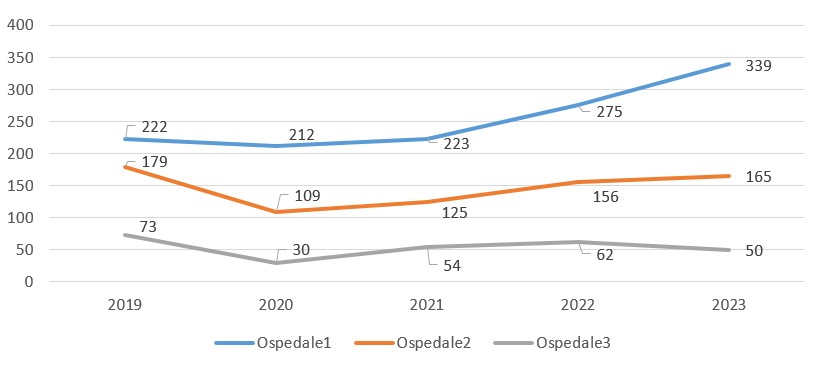
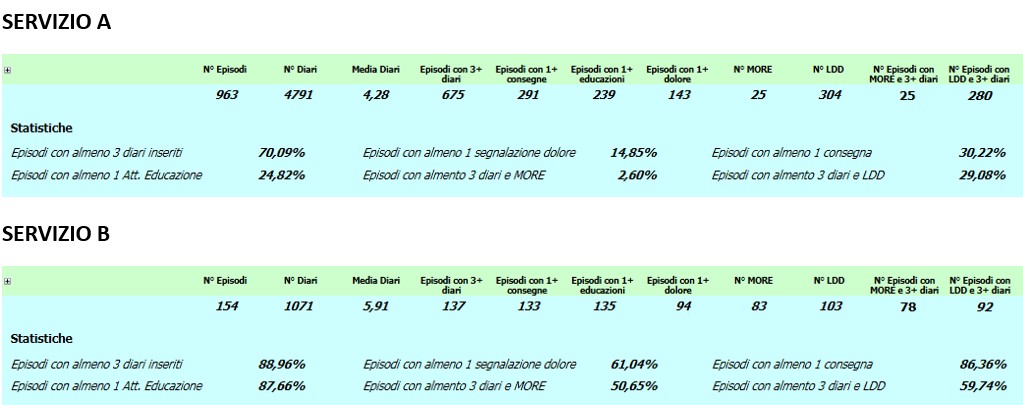
    In both settings, performance was above 90% for the certification of the initial assessment and the verification form of rehabilitative goals. The same level of performance was observed for the final assessment and discharge letter, but only for the inpatient setting. Other indicators show performance that is not yet adequately structured, especially in the outpatient context (figure 2). In the consulting field, the disparity is even more pronounced, particularly when comparing hospitals with very different activity volumes and turnover rates (figure 1).

    Discussion and Conclusion

    The configuration of the CCE-R templates based on the ICF taxonomic model, through the direct involvement of representatives from professional groups, allowed for the creation of working tools. The aggregated data from the associated reporting provides an essential view of the professional behaviours of individual workgroups concerning record-keeping. The transversal and overarching approach to individual services or operational settings ensures comparability. Initial analyses showed that local practices were not always uniform across different contexts. The realignment of these discrepancies towards expected standards can be defined as work objectives to be assigned to the unit manager or professional group, for the purpose of performance evaluation and potentially the attribution of performance-based pay, with an objective and measured approach.

    REFERENCES

    1. Odone A, Buttigieg S, Ricciardi W, Azzopardi-Muscat N, Staines A. Public health digitalization in Europe. Eur J Public Health. 2019 Oct 1;29(Supplement_3):28-35.
    2. Kruse CS, Kristof C, Jones B, Mitchell E, Martinez A. Barriers to Electronic Health Record Adoption: a Systematic Literature Review. J Med Syst. 2016 Dec;40(12):252.
    3. Riferimenti normativi: D.Lgs.vo 150/09; D.Lgs.vo 75/2017; Delibera 5/2017 OIV-SSR.


  • Educazione terapeutica nella preparazione alla chirurgia protesica di anca e ginocchio: realizzazione di un supporto informativo audio-visivo.

    Educazione terapeutica nella preparazione alla chirurgia protesica di anca e ginocchio: realizzazione di un supporto informativo audio-visivo.

    Educazione terapeutica nella preparazione alla chirurgia protesica di anca e ginocchio: realizzazione di un supporto informativo audio-visivo.

    Therapeutic Education in Preparing for Hip and Knee Prosthetic Surgery: Development of an Audiovisual Informational Support

    Autori

    CASALINI GIULIA – ( Care Management Unit, Azienda Unità Sanitaria Locale – IRCCS di Reggio Emilia – Italy)

    MAGNANINI FRANCESCA – ( Care Management Unit, Azienda Unità Sanitaria Locale – IRCCS di Reggio Emilia – Italy)

    DE SANTIS ANNAMARIA – (Bachelor Degree in Digital Education – Modena and Reggio Emilia University – Italy)

    TEDESCHI CINZIA – (Bachelor Degree in Digital Education – Modena and Reggio Emilia University – Italy)

    PINNA VANESSA – (Bachelor Degree in Digital Education – Modena and Reggio Emilia University – Italy)

    FRANCESCA CIPOLLI – (Bachelor Degree in Physiotherapy – Modena and Reggio Emilia University – Italy)

    RANCATI JACOPO MATTEO – ( Care Management Unit, Azienda Unità Sanitaria Locale – IRCCS di Reggio Emilia – Italy)

    Introduction

    Therapeutic education processes in the perioperative phases are fundamental for patient engagement in developing self-care approaches aimed at improving rehabilitation outcomes. Literature shows that patients’ conscious participation in their therapeutic journey reduces recovery times, the risk of complications, and the use of healthcare resources. In our institution, the preparation of patients scheduled for hip and knee replacement surgery includes the use of numerous printed informational materials and varying approaches across different surgical facilities within the organization. The purpose of this study is to analyze the informational needs of patients, update and digitize the already available materials, and organize them on a single computerized platform. This platform will integrate audiovisual informational support to facilitate the therapeutic education process and an informed choice of post-surgical rehabilitation pathways.

    Methods

    For the reorganisation of the existing informational material, a collection and review of the contents available was carried out at the various hospital facilities involved in the surgical line. For the informative needs analysis, a questionnaire was prepared with the involvement of experienced digital health professionals. The questionnaire will be administered over a period of 2 months anonymously to a sample of patients undergoing rehabilitation treatment following surgery, with adherence on a voluntary basis. The data emerged will be processed with descriptive statistical analysis, in order to identify the prevalent and most significant needs.

    In parallel, semi-structured interviews will be conducted with some professionals involved in the programme, which will be analysed using qualitative analysis methodologies. The contents that emerged from both sources will be compared and used to create a story-board as the basis for the audio-visual, that will be realised with the technical, technological and methodological support of experienced professionals.

    Results

    The digital platform for organizing the existing informational supports has already been created and made available online. The content has been reviewed and updated thanks to the direct participation of the professionals involved in patient care throughout the various phases of the therapeutic process. The results of the questionnaires and interviews will be available by summer 2024. The storyboard will be created with the intent to align the communication needs of professionals with the patients’ informational needs. The audiovisual material is expected to be completed by the end of 2024. The digitization of informational supports is part of a general review of care pathways, with the long-term objective of reducing the average length of hospital stays and increasing discharges to home (with the simultaneous activation of outpatient rehabilitation pathways). Both indicators will be monitored using data generated from the hospital discharge form (SDO).

    Discussion and Conclusion

    Collaboration with experts in digital education is strategic in analyzing the communication needs within healthcare pathways to align the needs of professionals with those of patients, and in creating more effective tools and informational supports.

    The digitization of informational supports and their availability on a single electronic platform aligns with the PNRR processes impacting the healthcare system, facilitating accessibility and usability at every stage of the pathway, while reducing indirect logistical costs (printing, storage, distribution) and environmental impact.

    The implementation of therapeutic education processes promotes the proactive involvement of patients in their own care pathway, increasing their empowerment and adherence to self-care processes. These strategies help improve the appropriateness of the use of rehabilitation settings, promote outpatient trajectories, and reduce the overall economic impact of the care pathway.

    REFERENCES

    • Abu Abed Manar, Himmel Wolfgang, Vormfelde Stefan, Koschack Janka. Video-assisted patient education to modify behavior: a systematic review. Patient Education Counseling. 2014;97(1):16-22
    • McDonald Steve, Page Matthew J, Beringer Katherine, Wasiak Jason, Sprowson Andrew. Preoperative education for hip or knee replacement. Cochrane Database Systematic Reviews. 2014; 13(5)
    • Tom Kathleen, Phang Terry P. Effectiveness of the video medium to supplement preoperative patient education: A systematic review of the literature. Patient Education Counseling. 2022;105(7):1878-1887
    • Wainwright Thomas W, Gill Mike, McDonald David A, Middleton Robert G, Reed Mike, Sahota Opinder, Yates Piers, Ljungqvist Olle. Consensus statement for perioperative care in total hip replacement and total knee replacement surgery: Enhanced Recovery After Surgery (ERAS®) Society recommendations. Acta Orthopaedica. 2020; 91(1):3-19
  • La formazione degli studenti e dei professionisti sanitari riguardo alla presa in carico degli utenti transgender (TGD): un’overview di revisioni sistematiche

    La formazione degli studenti e dei professionisti sanitari riguardo alla presa in carico degli utenti transgender (TGD): un’overview di revisioni sistematiche

    Education of healthcare professionals and students about the care of transgender (TGD) individuals: an overview of systematic reviews

    Autori

    Brizzi Lorenzo (Unit of Functional Rehabilitation, Department of Allied Health Professions, Azienda USL Toscana Centro, Italy)

    Ferrarello Francesco (Unit of Functional Rehabilitation, Department of Allied Health Professions, Azienda USL Toscana Centro, Italy)

    Serafini Isabella (Unit of Functional Rehabilitation, Department of Allied Health Professions, Azienda USL Toscana Centro, Italy)

    Introduction

    Transgender individuals (TGDs) are characterized by gender identity (male, female, or other) and biological sex (male, female, or intersex) incongruence. This can cause gender dysphoria, a mood disorder that can lead TGDs to a gender transition. This is an important diagnostic, therapeutic and care pathway that requires multidisciplinary management by healthcare professionals (HCPs), including physiotherapists and speech-language pathologists. Although the importance of education on the management of health needs of TGDs is acknowledged, it is not clear whether existing teaching and learning methods facilitate the development of the necessary level of knowledge and skill. Our aim was to investigate if education programs are effective in changing knowledge, attitudes, prejudice, skills, and level of comfort in clinical practice of HCPs and healthcare students (HCSs) in TGDs care.

    Methods

    Design: overview of systematic reviews.                                                                                                                                                                                                                  Data sources: MEDLINE, PsycInfo and Embase databases. Last data search, 31 January 2024.
    Eligibility criteria: systematic reviews or meta-analyses published in English language since 2018, involving HCPs and HCSs, and focusing on educational interventions aimed at facilitating access to care and reducing health inequalities in the TGD population. We extracted data on the characteristics of the studies included. Specifically, we investigated study design, sample size, target population, participants’ professional profile, interventions’ features
    (e.g., educational strategies, delivery modality, setting, duration), and outcome measures. We systematically assessed the methodological quality of the included studies with the AMSTAR-2 tool. We synthesized the findings through qualitative analysis.

    Results

    Four systematic reviews were retrieved, including 13, 21, 26, and 29studies, respectively.1-4 One systematic review focused on LGBTQ-related prejudices, two of them were about LGTQ+ health in HCSs’ education, and one highlighted outcomes of gender-sensitivity education in HCPs. Overall, the reviews focused on the implementation of educational interventions to improve knowledge, skills and comfort level in clinical practice, and to reduce prejudices. Interventions were based on didactic lectures, role-playing, multimodal pedagogy with and without simulation, and others. Multimodal and practice-oriented trainings were the most implemented. The studies included in the reviews showed a wide heterogeneity in study design; interventions researched, and reported outcome variables. The outcome measures were often non-validated. According to the AMSTAR-2 tool the reviews had critically low levels of confidence.

    Discussion and Conclusion

    The included reviews suggest that educating health professionals and students about TGDs’ health is appropriate, but there is not clear evidence on the most effective intervention. There is a lack of well-designed primary studies on teaching strategies, their combination and delivery methods, aimed at reducing healthcare inequalities and discrimination against TGDs. The results of our overview also suggest the need to establish general agreement on validated outcome measures in order to compare the effectiveness of educational programs. In future developments, the agreement on outcome measures may allow a better comprehension of the effectiveness of interventions. It will increase the understanding of the impact of strategies and their combinations on the behaviour of HCPs and HCSs and, consequently, on the healthcare-related experiences of the TGDs. Our study can be a stimulus for the promotion of education on the management of TGDs’ health needs.


    REFERENCES

    1. Jecke L, et al. Eur Child Adolesc Psychiatry. 2024;33(5):1327-1354
    2. Morris, M., et al. BMC Med Educ. 2019; 19(1):325
    3. Lindsay, S., et al. Health Education Journal. 2019; 78(8):958-976.
    4. Yu H., et al. Nurse Educ Today. 2023; 121:105661
  • Trattamento Riabilitativo Intensivo e Costante (TRIC) in pazienti con Malattia di Parkinson: uno studio pilota.

    Trattamento Riabilitativo Intensivo e Costante (TRIC) in pazienti con Malattia di Parkinson: uno studio pilota.

    Constant and Intensive Rehabilitation Treatment (TRIC) in patients with Parkinson’s disease: a pilot study.

    Autori

    Christian Gelao [Istituti Clinici Scientifici Maugeri IRCCS, Neurorehabilitation Unit of Bari Institute, Italy]

    F. Angeloro [Associazione Parkinson Puglia ODV BARI]

    C. Palmirotta [Istituti Clinici Scientifici Maugeri IRCCS, Laboratory of Neuropsychology, Bari Institute, Italy]

    S. Tagliente [Istituti Clinici Scientifici Maugeri IRCCS, Laboratory of Neuropsychology, Bari Institute, Italy]

    G. Lagravinese [Istituti Clinici Scientifici Maugeri IRCCS, Laboratory of Neuropsychology, Bari Institute, Italy]

    S. Aresta [Istituti Clinici Scientifici Maugeri IRCCS, Neurorehabilitation Unit of Bari Institute, Italy]

    P. Battista [Istituti Clinici Scientifici Maugeri IRCCS, Laboratory of Neuropsychology, Bari Institute, Italy] [Global Brain Health Institute (GBHI), University of California San Francisco, CA, USA.]

    P. Fiore [Istituti Clinici Scientifici Maugeri IRCCS, Neurorehabilitation Unit of Bari Institute, Italy] [Department of Physical and Rehabilitation Medicine, University of Foggia, Foggia, Italy]

    B. Minafra [Istituti Clinici Scientifici Maugeri IRCCS, Neurorehabilitation Unit of Bari Institute, Italy]

    Introduction

    The scientific literature widely supports the importance of exercise as a component of Parkinson’s disease (PD) patients‘ lifestyle. According to some studies, exercise could be considered as a disease-modifying factor. Exercise associated with aerobic and resistance training could result in positive effects by increasing the rehabilitation outcome of patients with PD. 1 Structured therapeutic approach to exercise improved patients’ motor performances; however, this improvement was maintained for a limited time period.2
    Thus, the purpose of this study is to evaluate whether consistent rehabilitation treatment can lead to improved motor performances and quality of life over a longer period of time.

    Methods

    Twenty consecutive patients with PD were enrolled with stable dopaminergic therapy for at least 4 weeks.
    Patients who were participating in other rehabilitation programs, with visual and hearing impairment, with DBS, or with internist comorbidities unable to support intense physical exercise were excluded.
    Patients underwent Intensive and Constant Rehabilitation Treatment (TRIC), performing 36 training sessions, for 12 consecutive weeks. Each training session lasted 60 minutes, according to a progression-modulated schedule.
    All patients underwent neurological assessment at baseline (T0) and after 3 months (T1). Assessments were performed in ON therapy.
    At T0 and T1, the following assessment scales were administered: MDS-UPDRS III, PDQ-39-IT, 6MWT, TUG, BBS, Conley Scale; the time required to perform postural transitions was also measured.

    Results

    Our sample was characterized as follows: age 75.55±8.99 years, H&Y between 1 and 2.5, MDS-UPDRS-III 25.8±9.88.

    All patients completed all phases of the study.

    At T1, all patients achieved significant improvement on all rating scales (p<0.001), also reduced the risk of falls with a positive trend.

    Discussion and Conclusion

    The results of this pilot study indicate that physical activity can result in sustained improvement of specific impaired motor functions in individuals with Parkinson’s disease. Adherence to treatment and the absence of droup out demonstrates the feasibility of the rehabilitation program. However, longer follow-up is needed to demonstrate the long-term effectiveness of TRIC.

    REFERENCES

    1 – J. Eric Ahlskog. (2011) Does Vigorous Exercise Have a Neuroprotective Effect in Parkinson’s? Neurology® 2011;77:288–294

    2 – Kim, Yumi; Lai, Byron; Mehta, Tapan; Thirumalai, Mohanraj; Padalabalanarayanan, Sangeetha; Rimmer, James H.; Motl, Robert W. (2019). Exercise Training Guidelines for Multiple Sclerosis, Stroke, and Parkinson Disease. American Journal of Physical Medicine & Rehabilitation, 98(7), 613–621.

    3 – Shu, H.-F., Yang, T., Yu, S.-X., Huang, H.-D., Jiang, L.-L., Gu, J.-W., & Kuang, Y.-Q. (2014). Aerobic Exercise for Parkinson’s Disease: A Systematic Review and Meta-Analysis of Randomized Controlled Trials. PLoS ONE, 9(7), e100503.doi:10.1371/journal.pone.0100503 

    4 – Redgrave, Peter; Rodriguez, Manuel; Smith, Yoland; Rodriguez-Oroz, Maria C.; Lehericy, Stephane; Bergman, Hagai; Agid, Yves; DeLong, Mahlon R.; Obeso, Jose A. (2010). Goal-directed and habitual control in the basal ganglia: implications for Parkinson’s disease. Nature, 11(11), 760–772.doi:10.1038/nrn2915