Categoria: Congresso 2024

  • Lo Statuto Epistemologico legame tra due complessità – scienza e morale

    Lo Statuto Epistemologico legame tra due complessità – scienza e morale

    The Epistmiological Statute, a link between two complexities: science and moral

    Autori

    Filippo Cavallaro (Università degli studi di Messina)

    Rosario Fiolo (Università degli studi di Palermo)

    Mariachiara Ceccio (Università degli studi di Messina)

    Teresa Pintaudi (Università degli studi di Messina)

    Francesco Bonanno (Università degli studi di Messina)

    Introduction

    In 2013, “The Epistemological Statute of Physiotherapy” was drafted in Messina and then was published in Aifi’s official journal “Fisioterapisti” 55/2014. It was the synthesis gained in months, studying the founding documents of the profession.

    The Professional Profile, Code of Ethics, Core Competence and Core Curriculum represent the foundation on which the Epistemological Statute is built. This foundation charter would have described the physiotherapy discipline allowing its growth and development.

    There was an awareness that physiotherapy, like medicine, dealing with living and unique beings, needed a practice of tailored therapeutic interventions, activities and treatments in the management of the person’s functional recovery.

    The Epistemological Statute was proposed as a link between the complexity of science and the heterogeneity of morality

    Methods

    The congress theme led us to take a fresh look at the documents produced since the promulgation of the Professional Profile DM 741, 14.9.1994.

    These are: Code of ethics, Core competencies and Core curriculum.

    The references that helped us to look with a different point of view were the rereading of the works of Maturana and Varela and the enlightening contribution of Edgar Morin.

    Results

    Maturana and Varela state that “all living beings are equal as long as they are alive” because by the fact that they are all living, in them are fulfilled all the necessary conditions for an uninterrupted ontogeny of the individual. They also declare that with the study and the development of knowledge we have moved from the “innocence of knowledge” to the “knowledge of the knowledge”. In fact the knowledge of knowledge obliges us to keep an attitude of permanent vigilance against the temptation of certainty. The relationship that we create with others, with the patient, is an act of coexistence, and for this reason it is human. “This bond between human beings is the foundation of all ethics as a reflection on the legitimacy of the other’s presence”.

    Morin teaches us that “The sciences … have not only a proper complexity to human realities, but also a particular issue, because the researchers of these disciplines are human beings, who works on, with and for other human beings.” He directs us toward a reasoning that can grasp the multidimensionality of realities, recognizing the interactive and retroactive interplay, dealing with complexities, rather than giving up to the ideological oppositions or to the mutilations dictated by exaggerated specialization (the new pathology of knowledge). For Morin, “Human needs are not only economic or technical, but also affective and mythological.”

    However, this does not detract that medical treatments that do not take into consideration the wholeness of the organism and its complexity. Often these dimensions have undesirable side effects. Health and disease should both be considered as subjective experiences, Morin says, emerging from the specific bio-psycho-social-environmental evolutionary interweaving that characterizes each individual uniquely and unrepeatably. For this reason personalized intervention procedures are required, and nowadays the lack of these tailor-made protocols is severely complained

    Discussion and Conclusion

    Only with a link between the complexity and the ongoing relationship between scientific education and moral growth we will have a new epistemological status

    REFERENCES

    • Cavallaro F., Fiolo R., Giordano G. Lo Statuto Epistemologico della Fisioterapia, Fisioterapisti 55/2014
    • a cura di Ferrari MG., Il Codice Deontologico dei Fisioterapisti, Ed Libreria Cortina 2014
    • AA.VV., Linee guida per la formazione del fisioterapista – core competence, Masson 2003
    • AA.VV., La formazione “core” del Fisioterapista, Scienza Riabilitativa 13(3) 2011
    • Maturana H., Varela F., L’albero della conoscenza, Garzanti 1992
    • Morin E., Ancora un momento, Raffaello Cortina Editore 2024
    • Manti F., Il giudizio morale. Phronesis e complessità della moralità, TEORIA 2018/2
  • Il futuro che già c’è. Dalla fantascienza di Isaac Asimov al post umano di Ian McEwan: Le competenze di fisioterapia in Stroke unit.

    Il futuro che già c’è. Dalla fantascienza di Isaac Asimov al post umano di Ian McEwan: Le competenze di fisioterapia in Stroke unit.

    The future is already here: from Isaac Asimov’s science fiction to Ian McEwan’s posthuman. The physiotherapy skills in Stroke unit

    Autori

    Filippo Cavallaro (Università degli studi di Messina)

    Francesco Grillo (AOU “G. Martino” Messina)

    Mariachiara Ceccio (Università degli studi di Messina)

    Teresa Pintaudi (Università degli studi di Messina)

    Francesco Bonanno (Università degli studi di Messina)

    Introduction

    Science and technology have always been directed toward solving the present problems while at the same time assessing and managing the new life conditions and development that the future will propose. A look into the future that creates new opportunities but also poses new problems. Health for WHO (1948) can be defined as “a state of complete physical, mental and social well-being and not merely the absence of disease or infirmity”.

    In 1995 a professional profile had been legislated indicating universities as the principal training site for the professional, and the Wcpt General meeting in Washington recommended a minimum duration of 4 years. In 2003 and 2011 AIFI had proposed guidelines for the training of the physiotherapist.

    Today, the widespread well-being that led to the lengthening of the average life span and both technological innovation and new therapies ensure the survival chance of people with chronicity and overlapping diseases. For this reason there has been the establishment of new operational units and among them the Stroke Units within the emergency area as a time dependent structure.

    Methods

    Starting from the structure given to the Core training of the physiotherapist and looking at the spaces that have been opened for this profession, a small group of physiotherapists discussed about the training experience lived by each of the participants and a questionnaire aimed at specific knowledge related to physiotherapy’s training and new developments in medicine was proposed.

    The study focused on the Stroke Unit, especially:

    – The evaluation of the space allocated to physical therapy in a stroke unit

    – The analysis of the organization of the stroke unit team

    – The management and the definition of physiotherapy times in relation to thrombolised patient’s times

    Results

    Health care advances in both clinical and organizational settings require a definition of the modalities and the intervention type in new hospital locations with patients on whom the pathology has a drift modulated by innovative therapies. An inconsistency between what is dictated by international LGs and the position in Italy was noted.

    There seems to be confusion about the size of the team, because the high specialization leads lot of complications, related to the inescapable need of a holistic approach to complex problems, whatever their nature (especially in health care field). Medicine, in fact, in the biopsychosocial model, deals with the person, as a complex system that cannot be investigated and treated as it was an assembly of mechanical components. Overcoming these difficulties requires individual pathways between the frames of the individual disciplines. Depending on how these boundaries are traversed, we can adopt a multidisciplinary, interdisciplinary, or a more articulate transdisciplinary approach.

    We can talk about a multidisciplinary approach if the comparison is held between professionals in the same field with different specializations (it is AIFI as a whole with GIS NIS). In this case it is an intradisciplinary juxtaposition.

    Interdisciplinary approach occurs when experts from different fields talks in order to face and overcome a complex critical issues (it is AIFI when at ISS or GIMBE Foundation discuss with Scientific Societies and experts of various disciplines).

    Since 1970, with Jean Piaget and Basarab Nicolescu, the term transdisciplinary has the ambition to cross the boundaries separating paradigms, rigid institutional norms and disciplinary labels. “Multidimensionality,” “inclusiveness,” and “creativity” are terms that best denote the transdisciplinary approach.

    In the case of Stroke units, we will find ourselves thinking about decubitus prevention (prevention area), managing a monitored and assisted person in IC (emergency area), managing the risks of hospital infections and immunocompromised individuals (infectious disease area).

    Discussion and Conclusion

    The complexity of managing patients in the early stages of disease requires revisiting the directions of the physiotherapist’s core training, considering the complex organization of the “iron maiden” trapping erudition.

    REFERENCES

    • AA.VV., Linee guida per la formazione del fisioterapista – core competence, Masson 2003
    • AA.VV., La formazione “core” del Fisioterapista, Scienza Riabilitativa 13(3) 2011
    • Stafford Beer prefazione in Autopoiesi e cognizione di H.R. Maturana, F.J.Varela, Marsilio Editori 1988
    • Angus Mc Murtry, Jenny Sasser (2020), Interdisciplinary and transdisciplinary approaches to ageing and gerontology, in Maria Łuszczyńska (ed.), Researching Ageing Methodological Challenges and their Empirical Background, Routledge.
    • https://isa-aii.com/
  • Efficacia delle app nella riabilitazione dei pazienti con low back pain. Una revisione sistematica con metanalisi di trial clinici randomizzati e controllati

    Efficacia delle app nella riabilitazione dei pazienti con low back pain. Una revisione sistematica con metanalisi di trial clinici randomizzati e controllati

    Effectiveness of apps in the rehabilitation of patients with low back pain. A systematic review with meta-analysis of randomized controlled trials

    Autori

    Ferrero Alessandro [University of Eastern Piedmont, Novara, Italy]

    Caretto Francesca [University of Turin, Turin, Italy]

    Lambert Giorgia [University of Turin, Turin, Italy]

    Piano Leonardo [University of Turin, Turin, Italy]

    Trucco Marco [University of Turin, Turin, Italy]

    Chiarotto Alessandro [Erasmus MC, University Medical Center Rotterdam, Rotterdam, The Netherlands]

    Introduction

    The management of patients with nonspecific Low Back Pain (LBP) should follow a biopsychosocial framework, with a focus on education that supports self-management and resumption of normal activities of daily living. In recent international guidelines, the use of self-management techniques for patients with LBP has been recommended among first-line treatments for patients with LBP. Moreover, it has been recognized that access to digital apps can help the self-management of people with LBP and can reduce pressure on health services. So the use of apps could be a solution to the need of distance management of patients with LBP, promoting the self-management of this health condition.

    The aim of this systematic review was to investigate the effectiveness of the use of mobile apps for the treatment of patients with nonspecific acute, subacute and chronic LBP. We considered the use of apps as the only form of intervention or in adjunction to rehabilitation treatments.

    Methods

    We registered the protocol in PROSPERO (CRD42023435062). We searched CENTRAL, Embase, CINAHL, MEDLINE, Scopus and PEDro (up to April 16, 2023). In addition, we performed backward and forward citation tracking in Web of Science, a search in clinical trials register (clinicaltrials.gov) and a search in the grey literature (Google Scholar). We included parallel-group full-scale or pilot randomized controlled trials (RCTs) in patients with acute, subacute or chronic nonspecific LBP. We included studies using apps for mobile devices. We considered studies using mobile apps as unique form of treatment or in adjunction to the rehabilitation treatment, compared with the rehabilitation treatment alone. We also investigated the use of a specific type of app compared to other types of apps. We considered the following primary outcomes: pain intensity, physical function, self-efficacy and health-related quality of life, at short term, medium term and long term follow-up. We assessed the risk of bias (RoB) using the RoB checklist of the Cochrane Back and Neck Group. We performed a random-effects meta-analysis for clinically homogeneous RCTs. We assessed the certainty of evidence using the Grading of Recommendations Assessment, Development and Evaluation (GRADE) approach.

    Results

    We included 8 RCTs1-8. There was very low certainty evidence that the use of an app in addition to the rehabilitation treatment was not more effective than the rehabilitation treatment alone for pain at short term (MD: −0.14; 95% CI: -1.1, 0.83) in a mixed population of acute, subacute and chronic nonspecific LBP. There was moderate certainty evidence that the use of an app in adjunction to the rehabilitation treatment was more effective than rehabilitation treatment alone for pain at long term (MD: −0.58; 95% CI: -1.00, -0.17), but with no clinically relevant effects in a mixed population of acute, subacute and chronic nonspecific LBP. All other comparisons for all outcomes were underpinned by a single RCT. Overall, no clinically relevant differences emerged from these trials, also when there were statistically significant improvements in favor of the app treatment.

    Discussion and Conclusion

    The use of an app in adjunction to the rehabilitation treatment could make a small improvement in pain at long term, but not in short term, when compared to rehabilitation treatment alone in a mixed population of nonspecific LBP. Moreover, the use of mobile apps can be considered a valid alternative to the in-person rehabilitation, showing not inferior results than rehabilitation in the management of patients with nonspecific LBP and promoting the self-management of these patients.

    REFERENCES

    1. Almhdawi, K. A. et al. Clin Rehabil 34, 1282–1291 (2020). doi:10.1177/0269215520937757
    2. Cui, D. et al. NPJ Digit Med 6, (2023). doi:10.1038/S41746-023-00870-3
    3. Koppenaal, T. et al. J Med Internet Res 24, (2022). doi:10.2196/31675
    4. Koppenaal, T. et al. J Med Internet Res 25, (2023). doi:10.2196/43034
    5. Priebe, J. A. et al. J Pain Res 13, 1823–1838 (2020). doi:10.2147/JPR.S260761
    6. Sandal, L. F. et al. JAMA Intern Med 181, 1288–1296 (2021). doi:10.1001/JAMAINTERNMED.2021.4097
    7. Toelle, T. R. et al. NPJ Digit Med 2, (2019). doi:10.1038/S41746-019-0109-X
    8. Yang, J. et al. J Healthc Eng 2019, (2019). doi:10.1155/2019/4632946
  • Ritorno alla corsa dopo lesione al tendine d’Achille: un case report

    Ritorno alla corsa dopo lesione al tendine d’Achille: un case report

    Return to Run after Achilles tendon rupture: a case report

    Autori

    Cerutti Giacomo

    Introduction

    In recent years, unfortunately, its rupture is increasingly frequent in both professional and amateur
    athletes.
    For professional athletes, one of the major causes of injuries is certainly the increase in functional
    demands given by the numerous competitive events.
    As far as amateurs are concerned, lack of preparation is among the primary causes.
    Here, we report the case of a 41 years old female, runner and amateur volley ball player.
    Our patient weighs 60 kilograms: this data will be useful in the future.
    The lesion mechanism occurred following a wall attack during a volleyball match, with immediate
    functional disability.
    From the beginning his goal was first to go back to running, then to play volleyball and beach
    volleyball.
    Until today, there are limited available evidence and guidelines for the rehabilitation.
    The Gait study group (German, American, Italian tendon) wondered what were the most important
    issues on which to clarify regarding the rehabilitation following the reconstruction of the Achilles
    tendon 1.
    A value of 100% agreement by all the members was set to produce a proposed consensus statement.
    A value of 80% consensus was set to produce “strong recommendation 1.”
    Following this, a systematic review was performed.
    Our athlete’s return to sport was carried out step by step according to what was reported by the Gait
    study group, using technological device-tools to control load-modulation and to measure clinical
    and functional progress.

    Methods

    In recent years several studies have been carried out which have been characterized by diversity of
    thought regarding the post operative management.
    Early mobilization, weightbearing, outcome measures have been the most discussed topics to make
    the return to sport as safe as possible.
    A specific and evidence based shared rehabilitation protocol is still lacking.

    This study had the aim of using criteria of progression in specific exercises, thanks to outcome
    measures, in different phase of rehabilitation.
    Getting performance data, we had the opportunity to understand when to start the specific sport
    rehabilitation phase, to reduce the risk of associated complications and guarantee the athlete a safe
    return to sport.


    Results

    The last battery of tests before the gradual return to sport is made up of:
    • Isokinetic Balance Concentric Test (Leg press)
    • T-Test
    • Drift Test
    • Hop Forward – Long for distance

    Discussion and Conclusion

    The patient returned to running and amateur competitive activity (volleyball) after 9 months,
    making a gradual return to sport.
    She is currently continuing, following our guidance, to continue with strength and conditioning
    locally and globally.
    In maintenance to be performed independently, exercises that focus on energy storage and release
    and jumps, a fundamental skill in sports such as volleyball and beach volleyball, have not been
    overlooked.
    We remained available for any clarifications and agreed on how to proceed for the subsequent
    return to sport for volleyball, as far as timing is concerned.
    It will be necessary to carry out a follow-up to observe if our patient is also affected by the deficits
    mentioned above around 3.5 years.
    This treatment proposal is only a beginning and a cue for future studies involving a greater number
    of people to have greater certainty on rehabilitation after Achilles tendon repair.
    The limited number of people involved and the lack of randomization in the studies cited in this
    case report are the two main reasons for saying that further research is needed.

    REFERENCES

    -Saxena A, Giai Via A, Grävare Silbernagel K, et al. Current Consensus for Rehabilitation
    Protocols of the Surgically Repaired Acute Mid-Substance Achilles Rupture: A Systematic
    Review and Recommendations From the “GAIT” Study Group. J Foot Ankle Surg.
    2022;61(4):855-861. doi:10.1053/j.jfas.2021.12.008
    -Wenning M, Mauch M, Heitner A, Lienhard J, Ritzmann R, Paul J. Neuromechanical
    activation of triceps surae muscle remains altered at 3.5 years following open surgical repair
    of acute Achilles tendon rupture. Knee Surgery, Sport Traumatol Arthrosc. 2021;29(8):2517
    2527. doi:10.1007/s00167-021-06512-z
    -Wenning M, Mauch M, Heitner A, Streicher P, Ritzmann R, Paul J. Midterm functional
    performance following open surgical repair of acute Achilles tendon rupture. Arch Orthop
    Trauma Surg. 2022;142(7):1337-1349. doi:10.1007/s00402-020-03746-3
    -Heikkinen J, Lantto I, Piilonen J, et al. Tendon length, calf muscle atrophy, and strength
    deficit after acute achilles tendon rupture: Long-term follow-up of patients in a previous
    study. J Bone Jt Surg – Am Vol. 2017;99(18):1509-1515. doi:10.2106/JBJS.16.01491
    -Docking SI, Cook J. How do tendons adapt? Going beyond tissue responses to understand
    positive adaptation and pathology development: A narrative review. J Musculoskelet
    Neuronal Interact. 2019;19(3):300-310.
    -Maffulli N, Gougoulias N, Maffulli GD, Oliva F, Migliorini F. Slowed-Down Rehabilitation
    Following Percutaneous Repair of Achilles Tendon Rupture. Foot Ankle Int. 2022;43(2):244
    252. doi:10.1177/10711007211038594
    -Baxter JR, Corrigan P, Hullfish TJ, O’Rourke P, Silbernagel KG. Exercise Progression to
    Incrementally Load the Achilles Tendon. Med Sci Sports Exerc. 2021;53(1):124-130.
    doi:10.1249/MSS.0000000000002459
    -Maffulli N, Longo UG, Testa V, Oliva F, Capasso G, Denaro V. Italian translation of the
    VISA-A score for tendinopathy of the main body of the Achilles tendon. Disabil Rehabil.
    2008;30(20-22):1635-1639. doi:10.1080/09638280701785965
    -McCormack J, Underwood F, Slaven E, Cappaert T. the Minimum Clinically Important
    Difference on the Visa-a and Lefs for Patients With Insertional Achilles Tendinopathy. Int J
    Sports Phys Ther. 2015;10(5):639-644.
    http://www.ncbi.nlm.nih.gov/pubmed/26491614%0Ahttp://www.pubmedcentral.nih.gov/arti
    clerender.fcgi?artid=PMC4595917
    -Blaise D, Berg Frederic. La Salute Nella Corsa. (Mulatero, ed.).; 2020.

  • Disfunzione del sistema glinfatico nei pazienti con disturbo comportamentale del sonno REM: studio di neuroimaging

    Disfunzione del sistema glinfatico nei pazienti con disturbo comportamentale del sonno REM: studio di neuroimaging

    Glymphatic system dysfunction in REM sleep behavior disorder patients: a neuroimaging study

    Autori

    Grassi Andrea – [Neuroimaging Research Unit, Division of Neuroscience, IRCCS San Raffaele Scientific Institute, Milan, Italy; and Vita-Salute San Raffaele University, Milan, Italy]

    Basaia Silvia – [Neuroimaging Research Unit, Division of Neuroscience, IRCCS San Raffaele Scientific Institute, Milan, Italy]

    Sarasso Elisabetta – [Neuroimaging Research Unit, Division of Neuroscience, IRCCS San Raffaele Scientific Institute, Milan, Italy; and Vita-Salute San Raffaele University, Milan, Italy; and Department of Neuroscience, Rehabilitation, Ophthalmology, Genetics and Maternal Child Health, University of Genoa, Genoa, Italy]

    Gardoni Andrea -[Neuroimaging Research Unit, Division of Neuroscience, IRCCS San Raffaele Scientific Institute, Milan, Italy; and Vita-Salute San Raffaele University, Milan, Italy]

    Marelli Sara – [Division of Neuroscience, Sleep Disorders Center, IRCCS San Raffaele Scientific Institute, Milan, Italy]

    Balestrino Roberta -[Neurology Unit, and Neurorehabilitation Unit, IRCCS San Raffaele Scientific Institute, Milan, Italy]

    Zenere Lucia – [Neuroimaging Research Unit, Division of Neuroscience, IRCCS San Raffaele Scientific Institute, Milan, Italy]

    Castelnuovo Alessandra – [Division of Neuroscience, Sleep Disorders Center, IRCCS San Raffaele Scientific Institute, Milan, Italy]

    Ferini-Strambi Luigi – [Vita-Salute San Raffaele University, Milan, Italy; and Division of Neuroscience, Sleep Disorders Center, IRCCS San Raffaele Scientific Institute, Milan, Italy]

    Filippi Massimo – [Neuroimaging Research Unit, Division of Neuroscience, Neurology Unit, Neurorehabilitation Unit, and Neurophysiology Service, IRCCS San Raffaele Scientific Institute, Milan, Italy; Vita-Salute San Raffaele University, Milan, Italy] Agosta Federica – [Neuroimaging Research Unit, Division of Neuroscience, Neurology Unit, IRCCS San Raffaele Scientific Institute, Milan, Italy; Vita-Salute San Raffaele University, Milan, Italy]

    Introduction

    Impairment of brain glymphatic function might play a role in the onset of α-synucleinopathies. Diffusion tensor imaging analysis along the perivascular space (DTI-ALPS) is a non-invasive method that has been recently proposed for evaluating glymphatic system function. This study aimed to use DTI-ALPS to evaluate glymphatic system activity in patients with isolated rapid eye movement sleep behavior disorder (iRBD) that represents a prodromal condition for the development of neurodegenerative parkinsonism.

    Methods

    Thirty-eight patients with a polysomnography-confirmed iRBD and 36 age- and sex-matched controls were enrolled and underwent a brain MRI scan including DTI and susceptibility map-weighted imaging sequences. DTI-ALPS index from each individual was calculated by a ratio of the diffusivities along the x-axis in the projection and association neural fibers to the diffusivities perpendicular to them and compared between groups using ANCOVA models, age- and sex-adjusted.  Correlations with clinical and cognitive measures were tested. The percentage risk of conversion to α-synucleinopathies in iRBD patients was evaluated using the most important predictors of progression (UPDRS-III scores, autonomic scales, cognitive dysfunction, hyposmia, and genetic mutations).

    Results

    Sixteen patients are likely to convert (c-iRBD), while 19 are not (nc-iRBD). c-iRBD have higher age, Beck’s Depression Inventory and Epworth Sleepiness Scale scores relative to nc-iRBD group. There are no differences in disease duration (DD) and UPDRS-III between the two groups of patients. c-iRBD presented a higher probability of conversion relative to nc-iRBD (95% vs 36%), with the probability of conversion being higher in subjects with a higher UPDRS-III score. iRBD patients exhibited lower mean DTI-ALPS index than controls (1.30 vs 1.55; P = 0.03). Moreover, DTI-ALPS index was lower in iRBD with DD greater than 5 years relative to controls (P=0.043), while iRBD with DD equal to 5 did not show any significant differences than controls. The DTI-ALPS index and DD were negatively correlated in iRBD patients.

    Discussion and Conclusion

    The findings indicate significant differences in clinical parameters between iRBD and controls and c-iRBD and nc-iRBD patients. The lack of difference in UPDRS-III scores highlights the complexity of disease mechanisms not captured by motor symptoms alone. We confirmed the presence of altered glymphatic function in iRBD patients, with greatest damage in patients with longer DD.

    Age, depression, and sleepiness might be key predictors of conversion in iRBD patients, with the DTI-ALPS index serving as a promising biomarker for disease progression.

    Supported by. Italian Ministry of Health [grant number #RF-2018-12366746]

    REFERENCES

    • Grimaldi S, Guye M, Bianciardi M, Eusebio A. Brain MRI Biomarkers in Isolated Rapid Eye Movement Sleep Behavior Disorder: Where Are We? A Systematic Review. Brain Sci. 2023 Sep 30;13(10):1398. doi: 10.3390/brainsci13101398.
    • Bae YJ, Kim JM, Choi BS, Ryoo N, Song YS, Nam Y, Yoon IY, Cho SJ, Kim JH. Altered Brain Glymphatic Flow at Diffusion-Tensor MRI in Rapid Eye Movement Sleep Behavior Disorder. Radiology. 2023 Jun;307(5):e221848. doi: 10.1148/radiol.221848.
    • Filippi M, Balestrino R. The “Glymphatic” Window on Neurodegeneration in Synucleinopathies. Radiology. 2023 Jun;307(5):e230817. doi: 10.1148/radiol.230817.
    • Lee DA, Lee HJ, Park KM. Glymphatic dysfunction in isolated REM sleep behavior disorder. Acta Neurol Scand. 2022 Apr;145(4):464-470. doi: 10.1111/ane.13573.
  • Modello forward e propriocezione nei soggetti sani: uno studio cross sectional su un compito di position-matching

    Modello forward e propriocezione nei soggetti sani: uno studio cross sectional su un compito di position-matching

    Modello forward e propriocezione nei soggetti sani: uno studio cross sectional su un compito di position-matching

    Forward model and proprioception in healthy subjects: a cross sectional study on a position-matching task

    Autori

    Filippi Luca (Neurorehabilitation Unit, University Hospital of Verona, Italy)

    Righetti Anna (Neuromotor and Cognitive Rehabilitation Research Center – Department of Neurosciences, Biomedicine and Movement Sciences, University of Verona, Italy)

    Cengiarotti Nicolò (Neuromotor and Cognitive Rehabilitation Research Center – Department of Neurosciences, Biomedicine and Movement Sciences, University of Verona, Italy)

    Varalta Valentina (Neuromotor and Cognitive Rehabilitation Research Center – Department of Neurosciences, Biomedicine and Movement Sciences, University of Verona, Italy)

    Picelli Alessandro (Neuromotor and Cognitive Rehabilitation Research Center – Department of Neurosciences, Biomedicine and Movement Sciences, University of Verona, Italy)

    Valè Nicola (Brain Navigation Lab – Department of Engineering for Innovation Medicine, University of Verona, Italy)

    Smania Nicola (Neuromotor and Cognitive Rehabilitation Research Center – Department of Neurosciences, Biomedicine and Movement Sciences, University of Verona, Italy)

    Introduction

    Upper limb (UL) state estimation is thought to be the result of a Bayesian optimal dynamic integration of feedforward motor control and proprioceptive information. The forward models (FMs) influence on UL state estimation has mainly been studied in a planar space, during constrained UL movements, often using a robotic manipulandum. However, performing motor tasks in a natural, unconstrained, three-dimensional (3D) space should be characterized by much more complex sensorimotor processes, making the generalization of these previous studies uncertain. A cross-sectional study was designed with the aim of investigating whether FMs output improves the accuracy of the UL state estimation in a 3D space during natural, unconstrained pointing movements.

    Methods

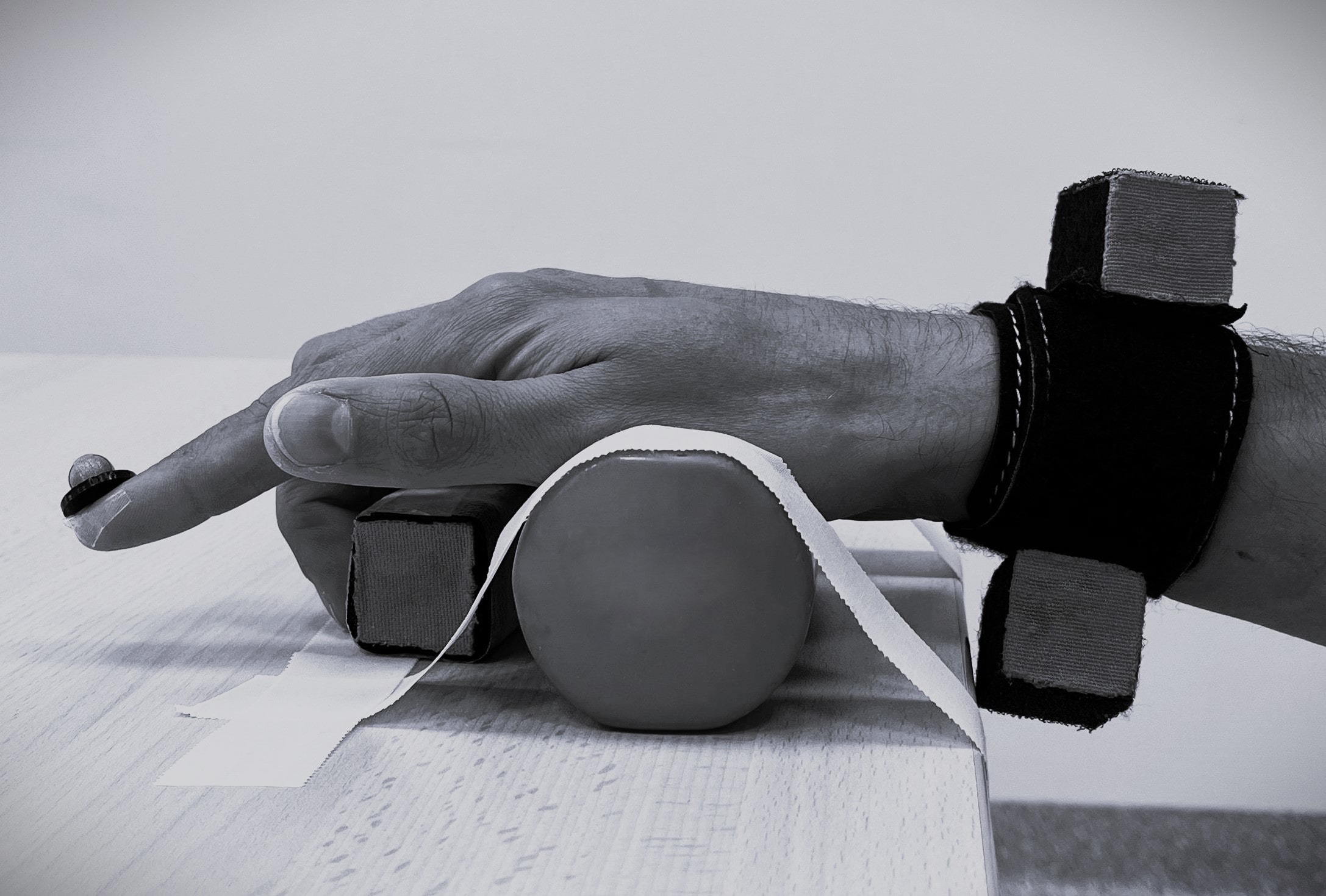
    Healthy volunteers were enrolled and asked to perform a one-arm position-matching (PM) task with their dominant UL. Index fingertip position (Fig. 1) was measured using an 8-camera optoelectronic Vicon motion capture system. All subjects performed a total of 99 PM trials with eyes closed in three different conditions: the Self-Condition (SC), the Movement Condition (MC) and the External Perturbed Condition (EPC). In the SC subjects were asked to choose a target position in the 3D space in front of them, point to it, and after 7 s of rest, match that position. In the MC the participants were unpredictably asked, while reaching the target position, to perform a voluntary movement (altering the target position) and then match that final target position. Finally the EPC was identical to the SC, but a variable external weight was attached to the participants’ wrist during the target movement. The PM accuracy was assessed as the absolute distance between the target and the matching position.

    Results

    A convenient sample of 10 healthy subjects (2 males and 8 females, 30.6 ± 4.3 years old) was recruited for this preliminary investigation. For each subject and each condition, the mean absolute distance between the target and matching position was computed. Then, a repeated measure ANOVA was performed to assess the effect of condition. Preliminary results might suggest a decreasing accuracy of UL state estimation in the EPC (Repeated Measure ANOVA, p = 0.07), with a trend towards a statistically significant contribution (Fig. 2) of FMs to UL state estimation. In the next weeks, we will increase the sample to confirm these findings.

    Discussion and Conclusion

    These preliminary results suggest that FMs may contribute to the position estimation of the UL during active, natural, unconstrained movements in 3D space. FMs seem to show accurate adaptability to voluntary hand perturbations during movement (MC), but their prediction fails if arm dynamic is externally altered (EPC). The future aim is to confirm these preliminary results expanding the sample.

    REFERENCES

    Ariff, G., Donchin, O., Nanayakkara, T., & Shadmehr, R. (2002). A real-time state predictor in motor control: Study of saccadic eye movements during unseen reaching movements. Journal of Neuroscience, 22(17), 7721–7729.

    Berniker, M., & Kording, K. (2011). Bayesian approaches to sensory integration for motor control. Wiley Interdisciplinary Reviews: Cognitive Science, 2(4), 419–428.

    Desmurget, M., Jordan, M., Prablanc, C., & Jeannerod, M. (1997). Constrained and unconstrained movements involve different control strategies. Journal of Neurophysiology, 77(3), 1644–1650.

    Nanayakkara, T., & Shadmehr, R. (2003). Saccade Adaptation in Response to Altered Arm Dynamics. Journal of Neurophysiology, 90(6), 4016–4021.

    Wolpert, D. M., & Ghahramani, Z. (2000). Computational principles of movement neuroscience. Nature Neuroscience, 3(11s), 1212–1217.

    Wolpert, D. M., Ghahramani, Z., & Jordan, M. I. (1995). An Internal Model for Sensorimotor Integration. Science, 269(5232), 1880–1882.

  • Attivazione di un servizio di preabilitazione transdisciplinare: strategie per migliorare l’aderenza del paziente al programma di esercizio

    Attivazione di un servizio di preabilitazione transdisciplinare: strategie per migliorare l’aderenza del paziente al programma di esercizio

    Attivazione di un servizio di preabilitazione transdisciplinare: strategie per migliorare l’aderenza del paziente al programma di esercizio

    Activation of a transdisciplinary prehabilitation service: strategies to improve patient adherence to the exercise program

    Autori

    Messori Monica (Physical Medicine and Rehabilitation Unit, Santa Maria Nuova Hospital, Reggio Emilia, Azienda USL-IRCCS di Reggio Emilia, Italy)

    Fugazzaro Stefania (Physical Medicine and Rehabilitation Unit, Santa Maria Nuova Hospital, Reggio Emilia, Azienda USL-IRCCS di Reggio Emilia, Italy)

    Demola Andrea (Physical Medicine and Rehabilitation Unit, Santa Maria Nuova Hospital, Reggio Emilia, Azienda USL-IRCCS di Reggio Emilia, Italy)

    Manfredi Nicoletta (Physical Medicine and Rehabilitation Unit, Santa Maria Nuova Hospital, Reggio Emilia, Azienda USL-IRCCS di Reggio Emilia, Italy)

    Brioni Tina (Physical Medicine and Rehabilitation Unit, Guastalla Civil Hospital, Azienda USL-IRCCS di Reggio Emilia, Italy)

    Marotta Lucia (Physical Medicine and Rehabilitation Unit, Guastalla Civil Hospital, Azienda USL-IRCCS di Reggio Emilia, Italy)

    Alessandri Alessandra (Physical Medicine and Rehabilitation Unit, Guastalla Civil Hospital, Azienda USL-IRCCS di Reggio Emilia, Italy)

    Giberti Tiziana (Physical Medicine and Rehabilitation Unit, Sant’Anna Hospital, Castelnovo nè Monti, Azienda USL-IRCCS di Reggio Emilia, Italy)

    Valeriani Samantha (Physical Medicine and Rehabilitation Unit, Sant’Anna Hospital, Castelnovo nè Monti, Azienda USL-IRCCS di Reggio Emilia, Italy)

    Rancati Jacopo Matteo (Neuro-Motor and Rehabilitation Department– Direction of Health Professions, Azienda USL-IRCCS di Reggio Emilia, Italy)

    Introduction

    Surgery represents the cornerstone of curative treatment for various types of cancer. However, surgery itself can have adverse effects on patient health. Enhanced Recovery After Surgery (ERAS) programs are patient-centered, multidisciplinary pathways developed to mitigate the surgical stress response, optimize physiological function, and facilitate recovery [1]. Multimodal prehabilitation involves multiple preoperative interventions aimed at preparing patients for surgery, enhancing resilience, and improving postoperative outcomes [2], [3]. Existing data on prehabilitation show considerable heterogeneity, particularly regarding adherence, which is crucial for ensuring program completion [4]. Given the brief preoperative timeframe, maintaining adherence is essential to maximize program effectiveness [5].

    The aim of this study is to present the feasibility and patient adherence outcomes of the prehabilitation program implemented in our service.

    Methods

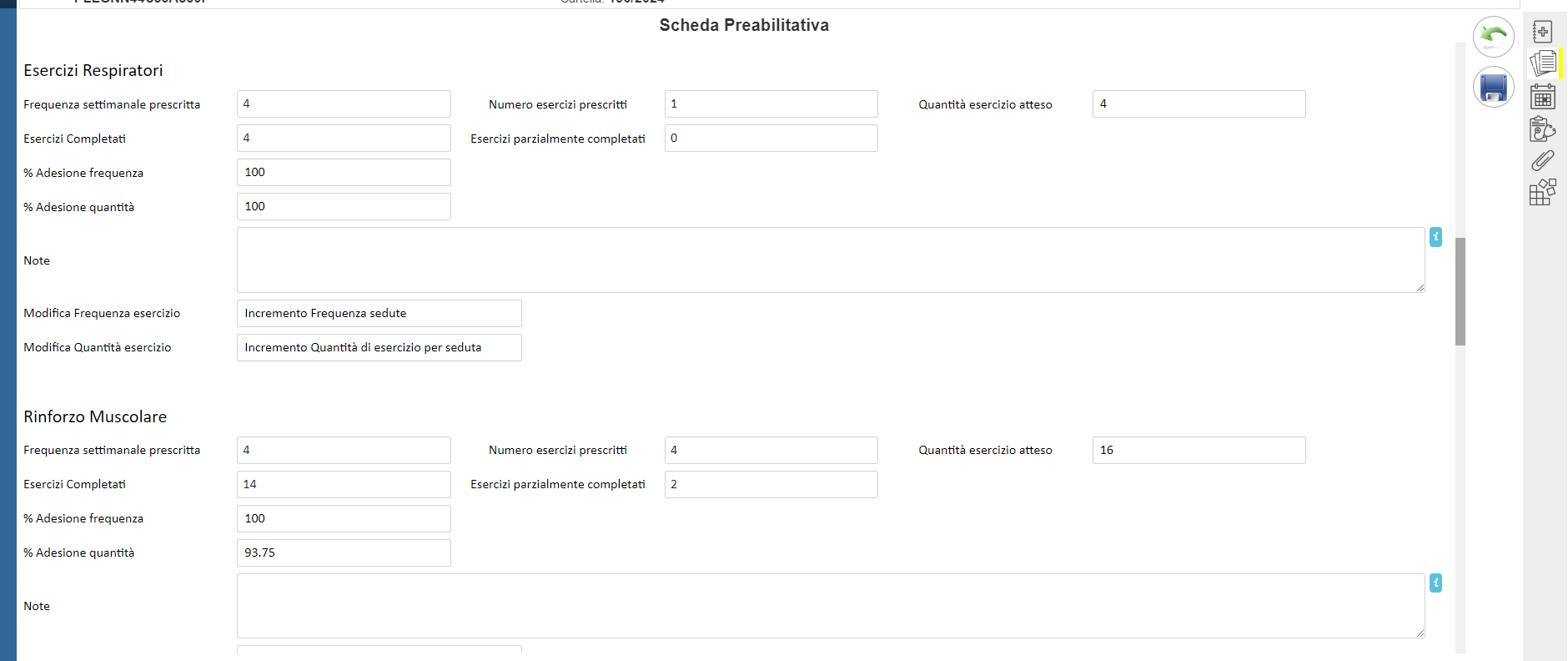
    The prehabilitation program targets patients scheduled for thoracic and abdominal oncological surgery. To promote sustainability, enrollment criteria include: all candidates for thoracic surgery (due to the significant impact on functional ability) and candidates for abdominal surgery who meet at least three of the following criteria: age over 70 years, presence of cardiopulmonary diseases, expected surgery duration over 3 hours, and an “open” surgical approach. The initial session takes place at least 4 weeks prior to surgery. During this session, patients receive educational training and undergo an individual assessment to develop a tailored program, specifying the quantity, frequency, and intensity of exercises. The program includes respiratory exercises, muscle strengthening exercises and aerobic reconditioning. Patients receive a self-monitoring diary to track their adherence to the exercise regimen. A follow-up assessment is conducted the day before surgery.

    Results

    The program started at the beginning of June 2024, with the goal of reporting outcomes for 40 cases by November 2024. Clinical outcome indicators are being recorded, including the 6-minute walking test (6MWT), handgrip strength, sit-to-stand test, and patient adherence to the prescribed exercise regimen. The average duration of the prehabilitation program, targeted at 4 weeks, is also monitored. To design a highly personalized program, the physiotherapist collects detailed information on the type, frequency, duration, and intensity of the patient’s habitual physical activity during the initial interview. This information is documented in a dedicated electronic medical record. For the prescription of home exercises, the computerized system suggests the optimal progression based on the initial data, while the type of exercise is customized according to a standard protocol. The quantity and frequency of exercises performed, as recorded by the patient in a self-monitoring diary, are compared to the prescribed program to accurately calculate adherence.

    Discussion and Conclusion

    With the implementation of this program, we aim to improve the cardiorespiratory and functional fitness of patients during the preoperative phase, thereby optimizing postoperative functional recovery and reducing the need for assistance. To achieve this, it is essential that patients adhere to the prescribed exercises and are referred to the program promptly, ensuring an exercise period of at least 3-4 weeks. Another critical factor for the success of this platform is the appropriateness of recruitment, focusing on enrolling the most deconditioned subjects who are at higher risk of postoperative respiratory complications and/or complications related to prolonged bed rest. In the long term, we consider it is useful to measure organizational outcomes such as the reduction in average length of hospital stay, readmission rates and the demand for healthcare services to manage postoperative complications.

    REFERENCES

    [1]          C. J. Molenaar, S. J. Van Rooijen, H. J. Fokkenrood, R. M. Roumen, L. Janssen, e G. D. Slooter, «Prehabilitation versus no prehabilitation to improve functional capacity, reduce postoperative complications and improve quality of life in colorectal cancer surgery», Cochrane Database of Systematic Reviews, vol. 2023, fasc. 6, mag. 2023, doi: 10.1002/14651858.CD013259.pub3.

    [2]          M. J. J. Voorn, E. J. M. Driessen, R. J. E. F. Reinders, V. E. M. Van Kampen-van Den Boogaart, B. C. Bongers, e M. L. G. Janssen-Heijnen, «Effects of exercise prehabilitation and/or rehabilitation on health-related quality of life and fatigue in patients with non-small cell lung cancer undergoing surgery: A systematic review», European Journal of Surgical Oncology, vol. 49, fasc. 10, p. 106909, ott. 2023, doi: 10.1016/j.ejso.2023.04.008.

    [3]          E. S. Bingül, N. M. Şentürk, e A. M. Kaynar, «Prehabilitation: a narrative review focused on exercise therapy for the prevention of postoperative pulmonary complications following lung resection», Front. Med., vol. 10, p. 1196981, ott. 2023, doi: 10.3389/fmed.2023.1196981.

    [4]          J. L. Waterland et al., «Prehabilitation in high-risk patients scheduled for major abdominal cancer surgery: a feasibility study», Perioper Med, vol. 11, fasc. 1, p. 32, ago. 2022, doi: 10.1186/s13741-022-00263-2.

    [5]          V. Ferreira et al., «Maximizing patient adherence to prehabilitation: what do the patients say?», Support Care Cancer, vol. 26, fasc. 8, pp. 2717–2723, ago. 2018, doi: 10.1007/s00520-018-4109-1.

  • Analisi dei correlati neurali del dolore centrale nella Nevralgia Trigeminale utilizzando risonanza magnetica funzionale

    Analisi dei correlati neurali del dolore centrale nella Nevralgia Trigeminale utilizzando risonanza magnetica funzionale

    Neural correlates of central pain in Trigeminal Neuralgia: a functional MRI analysis

    Autori

    Valtorta Filippo [Neuroimaging Research Unit, Division of Neuroscience, IRCCS San Raffaele Scientific Institute, Milan, Italy; and Vita-Salute San Raffaele University, Milan, Italy]

    Basaia Silvia [Neuroimaging Research Unit, Division of Neuroscience, IRCCS San Raffaele Scientific Institute, Milan, Italy]

    Albano Luigi [Neuroimaging Research Unit, Division of Neuroscience, IRCCS San Raffaele Scientific Institute, Milan, Italy; and Vita-Salute San Raffaele University, Milan, Italy; and Neurosurgery and Gamma Knife Radiosurgery Unit, IRCCS Ospedale San Raffaele, Milan, Italy]

    Sarasso Elisabetta [Neuroimaging Research Unit, Division of Neuroscience, IRCCS San Raffaele Scientific Institute, Milan, Italy; and Vita-Salute San Raffaele University, Milan, Italy; and Department of Neuroscience, Rehabilitation, Ophthalmology, Genetics and Maternal Child Health, University of Genoa, Genoa, Italy]

    Pompeo Edoardo [Vita-Salute San Raffaele University, Milan, Italy; and Neurosurgery and Gamma Knife Radiosurgery Unit, IRCCS Ospedale San Raffaele, Milan, Italy]

    Emedoli Daniele [Department of Rehabilitation and Functional Recovery, IRCCS Ospedale San Raffaele, Milan, Italy]

    Sibilla Elisa [Neuroimaging Research Unit, Division of Neuroscience, IRCCS San Raffaele Scientific Institute, Milan, Italy; and Neurology Unit, IRCCS San Raffaele Scientific Institute, Milan, Italy]

    Mortini Pietro [Vita-Salute San Raffaele University, Milan, Italy; and Neurosurgery and Gamma Knife Radiosurgery Unit, IRCCS Ospedale San Raffaele, Milan, Italy]

    Agosta Federica [Neuroimaging Research Unit, Division of Neuroscience, IRCCS San Raffaele Scientific Institute, Milan, Italy; and Neurology Unit, IRCCS San Raffaele Scientific Institute, Milan, Italy; and Vita-Salute San Raffaele University, Milan, Italy]

    Filippi Massimo [Neuroimaging Research Unit, Division of Neuroscience, and Neurology Unit, and Neurorehabilitation Unit, and Neurophysiology Service, IRCCS San Raffaele Scientific Institute, Milan, Italy; and Vita-Salute San Raffaele University, Milan, Italy]

    Introduction

    Trigeminal Neuralgia (TN) is a chronic neuropathic pain disorder characterised by paroxysmal episodes of facial pain in the distribution of the fifth cranial nerve. First-line treatment is pharmacological, while Gamma Knife radiosurgery (GKRS) becomes an option if medications fail. This study aimed at investigating the neural correlates of pain during an observation functional MRI (fMRI) task in TN patients relative to controls.

    Methods

    Twelve TN patients were enrolled and underwent clinical assessment and brain MRI protocol including observation task functional MRI (fMRI) on a 3 Tesla scanner. Subjects repeated the same assessment at baseline (before GKRS) and 3-month after GKRS. All subjects underwent brain fMRI including an observational task, in which participants will be asked to observe facial gestures during activities of daily living or specific movements different for each subject depending on which action triggers the facial pain. The fMRI data were pre-processed using Statistical Parametric Mapping (SPM) tools to investigate brain area activation during the task. A one-sample analysis was performed to evaluate functional activation in TN patients during the task. Functional differences between baseline and three months after GKRS in TN patients were assessed using a paired two-sample t-test.

    Results

    Considering one-sample analysis, TN patients showed the activation of inferior and middle occipital, inferior parietal, and inferior temporal areas, precentral, postcentral, and fusiform gyri, and inferior frontal pars opercularis during the observational task. Moreover, right-sided TN patients showed more activation in parahippocampal, hippocampal and middle temporal regions relative to left-sided TN patients, which activated more superior occipital, middle frontal, and superior temporal gyri and insula. Paired analysis between baseline and 3-month after GKRS shows that at baseline, the postcentral gyrus, supplementary motor area, and cerebellum area 6 are significantly more activated, while at the 3-month follow-up, the anterior cingulum and medial superior frontal area are significantly more activated.

    Discussion and Conclusion

    Results suggested TN patient showed a significant activation in visual, somatosensory, and motor-related brain areas, which may reflect their heightened sensitivity to pain-related stimuli. Notably, different brain regions were activated based on the side of the facial pain, highlighting lateralization in neural responses. Post-GKRS, there was a shift in activation towards the anterior cingulum and medial superior frontal area, suggesting possible neural reorganization and adaptation following treatment. These findings enhance our understanding of the neural mechanisms underlying TN and the impact of GKRS on brain function.

    Funding. Italian Ministry of Health (GR-2021-12374601).

    REFERENCES

    Agosta F, Gatti R, Sarasso E, Volonté MA, Canu E, Meani A, Sarro L, Copetti M, Cattrysse E, Kerckhofs E, Comi G, Falini A, Filippi M. Brain plasticity in Parkinson’s disease with freezing of gait induced by action observation training. J Neurol. 2017 Jan;264(1):88-101. doi: 10.1007/s00415-016-8309-7. Epub 2016 Oct 24. PMID: 27778161.

  • Alterazioni microstrutturali della sostanza bianca nella nevralgia trigeminale utilizzando sequenze di diffusione avanzate

    Alterazioni microstrutturali della sostanza bianca nella nevralgia trigeminale utilizzando sequenze di diffusione avanzate

    Microstructural brain alterations in Trigeminal Neuralgia: insights from multi-shell diffusion brain MRI analysis

    Autori

    Valtorta Filippo [Neuroimaging Research Unit, Division of Neuroscience, IRCCS San Raffaele Scientific Institute, Milan, Italy; and Vita-Salute San Raffaele University, Milan, Italy]

    Basaia Silvia [Neuroimaging Research Unit, Division of Neuroscience, IRCCS San Raffaele Scientific Institute, Milan, Italy]

    Albano Luigi [Neuroimaging Research Unit, Division of Neuroscience, IRCCS San Raffaele Scientific Institute, Milan, Italy; and Vita-Salute San Raffaele University, Milan, Italy; and Neurosurgery and Gamma Knife Radiosurgery Unit, IRCCS Ospedale San Raffaele, Milan, Italy]

    Pompeo Edoardo [Vita-Salute San Raffaele University, Milan, Italy; and Neurosurgery and Gamma Knife Radiosurgery Unit, IRCCS Ospedale San Raffaele, Milan, Italy]

    Emedoli Daniele [Department of Rehabilitation and Functional Recovery, IRCCS Ospedale San Raffaele, Milan, Italy]

    Sibilla Elisa [Neuroimaging Research Unit, Division of Neuroscience, IRCCS San Raffaele Scientific Institute, Milan, Italy; and Neurology Unit, IRCCS San Raffaele Scientific Institute, Milan, Italy]

    Sarasso Elisabetta [Neuroimaging Research Unit, Division of Neuroscience, IRCCS San Raffaele Scientific Institute, Milan, Italy; and Vita-Salute San Raffaele University, Milan, Italy; and Department of Neuroscience, Rehabilitation, Ophthalmology, Genetics and Maternal Child Health, University of Genoa, Genoa, Italy]

    Mortini Pietro [Vita-Salute San Raffaele University, Milan, Italy; and Neurosurgery and Gamma Knife Radiosurgery Unit, IRCCS Ospedale San Raffaele, Milan, Italy]

    Agosta Federica [Neuroimaging Research Unit, Division of Neuroscience, IRCCS San Raffaele Scientific Institute, Milan, Italy; and Neurology Unit, IRCCS San Raffaele Scied Neurology Unit, IRCCS San Raffantific Institute, Milan, Italy; and Vita-Salute San Raffaele University, Milan, Italy]

    Filippi Massimo [Neuroimaging Research Unit, Division of Neuroscience, and Neurology Unit, and Neurorehabilitation Unit, and Neurophysiology Service, IRCCS San Raffaele Scientific Institute, Milan, Italy; and Vita-Salute San Raffaele University, Milan, Italy]

    Introduction

    Trigeminal Neuralgia (TN) is a chronic neuropathic pain condition characterized by sudden episodes of facial pain in the distribution of the fifth cranial nerve. Primary treatment involves medications, while Gamma Knife radiosurgery (GKRS) become an option if drugs fail. The goal of this study was to investigate microstructural gray matter (GM) and white matter (WM) alterations in TN patients.

    Methods

    Twelve TN patients and 18 controls age- and sex-matched were enrolled and underwent clinical assessment and brain MRI protocol including performed multi-shell diffusion brain MRI on a 3 Tesla scanner. Fractional anisotropy (FA) maps were computed on diffusion-tensor imaging (DTI). Additionally, Intra-Cellular Volume Fraction (ICVF) and Orientation Dispersion Index (ODI) maps have been estimated using the NODDI model. Then, tract-based spatial statistics (TBSS) and GM-based spatial statistics (GBSS) were performed to estimate WM and GM damage respectively between TN subjects and controls. Correlation analysis has been tested between WM/GM damage and clinical data.

    Results

    TBSS and GBSS showed significant differences in TN group relative to controls. Particularly, FA maps showed no significant differences in WM and GM maps in TN group relative to controls. Moreover, ODI showed specific damage along bilateral corticospinal tract (CST) and right superior longitudinal fasciculus (p<0.05), while ICVF tends toward significance in left CST and internal capsule (p<0.06) and in right and left CST and anterior thalamic radiation at brainstem level (p<0.06). Moreover, ICVF reduction in CST showed a positive correlation pain scale: Penn Facial Pain Scale, Pain Disability Index, Numeric Rating Scale (NRS) and Barrow Neurological Institute Pain Intensity Score (BNI-P), while ODI reduction showed a negative correlation with NRS and BNI-P. Moreover, only ODI maps demonstrated a GM reduction in left temporal pole and parahippocampal (p<0.05) in GBSS analysis when comparing TN subjects and controls.

    Discussion and Conclusion

    These findings suggest that both ODI and ICVF might be potential biomarkers for neural damage associated with TN. CST is involved in motor control, and alterations might indicate neural disruptions beyond the sensory pathways directly affected by TN. Moreover, alterations in superior longitudinal fasciculus might reflect changes in connectivity and integration of brain functions. Notably, GM reductions were observed in the left temporal pole and parahippocampal regions, emphasizing the impact of TN beyond the trigeminal pathways. These findings highlighted the importance of advanced imaging techniques in understanding the neuropathological underpinnings of TN and potentially guiding more targeted therapeutic interventions.

    Funding. Italian Ministry of Health (GR-2021-12374601).

    REFERENCES

    Albano L, Agosta F, Basaia S, Castellano A, Messina R, Parisi V, Barzaghi LR, Falini A, Mortini P, Filippi M. Alterations of brain structural MRI are associated with outcome of surgical treatment in trigeminal neuralgia. Eur J Neurol. 2022 Jan;29(1):305-317. doi: 10.1111/ene.15105. Epub 2021 Sep 24. PMID: 34519132.

  • CRITERI DI RITORNO ALLA GUIDA DOPO TRATTAMENTO CHIRURGICO DEL TENDINE D’ACHILLE: SCOPING REVIEW

    CRITERI DI RITORNO ALLA GUIDA DOPO TRATTAMENTO CHIRURGICO DEL TENDINE D’ACHILLE: SCOPING REVIEW

    RETURN TO DRIVING CRITERIA AFTER OPERATIVE TREATMENT OF ACHILLES TENDON: A SCOPING REVIEW

    Autori

    Simona Lo Cascio (Unimol, Palermo, Italia)

    Roberto Pichero (Unimol, Bari, Italia)

    Introduction

    Review the current evidence on criteria for return to driving after Achilles tendon surgery.

    Methods

    The search yielded a total of 1955 articles, with five studies fulfilling the inclusion criteria, including four prospective studies, with a total of 195 patients, and one systematic review.

    Results

    The scoping study found that the average time for a safe return to driving following Achilles tendon surgery is 6 weeks after surgery. The most frequently used parameter was the Brake Response Time (BRT), with a value defined as safe if less than 0.850 seconds, administered in conjunction with rating scales such as the ATRS, AOFAS, VAS, and a driving readiness survey. Patients, who reported significantly better scores on the rating scales and the pre-driving survey, subsequently demonstrated a safe BRT.

    Discussion and Conclusion

    The only evidence in the literature has only provided indications for a return to safe driving, but further factors need to be investigated in future studies and research.

    REFERENCES

    1. Mattila VM, Huttunen TT, Haapasalo H, Sillanpää P, Malmivaara A, Pihlajamäki H. Declining incidence of surgery for Achilles tendon rupture follows publication of major RCTs: evidence-influenced change evident using the Finnish registry study. Br J Sports Med. 2015 Aug;49(16):1084-6. doi: 10.1136/bjsports-2013-092756. Epub 2013 Oct 15. PMID: 24128757.
    2. Houshian S, Tscherning T, Riegels-Nielsen P. The epidemiology of Achilles tendon rupture in a Danish County. Injury. 1998 Nov;29(9):651-4. doi: 10.1016/s0020-1383(98)00147-8. PMID: 10211195.
    3. Lantto I, Heikkinen J, Flinkkilä T, Ohtonen P, Leppilahti J. Epidemiology of Achilles tendon ruptures: increasing incidence over a 33-year period. Scand J Med Sci Sports. 2015 Feb;25(1):e133-8. doi: 10.1111/sms.12253. Epub 2014 May 23. PMID: 24862178.
    4. Huttunen TT, Kannus P, Rolf C, Felländer-Tsai L, Mattila VM. Acute achilles tendon ruptures: incidence of injury and surgery in Sweden between 2001 and 2012. Am J Sports Med. 2014 Oct;42(10):2419-23. doi: 10.1177/0363546514540599. Epub 2014 Jul 23. PMID: 25056989.
    5. Yang X, Meng H, Quan Q, Peng J, Lu S, Wang A. Management of acute Achilles tendon ruptures: A review. Bone Joint Res. 2018 Nov 3;7(10):561-569. doi: 10.1302/2046-3758.710.BJR-2018-0004.R2. PMID: 30464836; PMCID: PMC6215245.
    6. David Beck, MD, Steven Raikin, MD, Jamal Ahmad, MD, Joseph N. Daniel, DO, Mary-Katherine Lynch, Anne Marie Madden, CCRC, David I. Pedowitz, MD, MS, Brian S. Winters, MDEvaluation of Brake Response Time Following Primary Achilles Tendon Repair Surgery.

    Foot & Ankle Orthopaedics 1. August 2016;DOI:10.1177/2473011416S00060

    17

    7. Frane N, Bandovic I, Hu V, Bitterman A. Return-to-Driving Recommendations After Lower-Extremity Orthopaedic Procedures. JBJS Rev. 2020 Dec;8(12):e20.00066. doi: 10.2106/JBJS.RVW.20.00066. PMID: 33298680.

    8. Reb CW, McDonald E, Shakked RJ, Winters BS, Pedowitz DI, Raikin SM, Daniel JN. Brake Response Time Recovery After Achilles Tendon Repair. Foot Ankle Spec. 2020 Jun;13(3):188-192. doi: 10.1177/1938640019843316. Epub 2019 Apr 23. PMID: 31014108.

    9. Jennings AG, Sefton GK, Newman RJ. Repair of acute rupture of the Achilles tendon: a new technique using polyester tape without external splintage. Ann R Coll Surg Engl. 2004 Nov;86(6):445-8. doi: 10.1308/147870804957. PMID: 15527585; PMCID: PMC1964280.

    10. Jennings AG, Sefton GK, Newman RJ. Repair of acute rupture of the Achilles tendon: a new technique using polyester tape without external splintage. Ann R Coll Surg Engl. 2004 Nov;86(6):445-8. doi: 10.1308/147870804957. PMID: 15527585; PMCID: PMC1964280.

    11. Elizabeth L. McDonald, BA, Rachel Shakked, MD, Kristen Nicholson, PhD, Joseph N. Daniel, DO, David I. Pedowitz, MD, MS, Brian S. Winters, MD, Ryan Rogero, BA , and Steven M. Raikin, MD. Return to Driving After Foot and Ankle Surgery: A Novel Survey to Predict Passing Brake Reaction Time. Foot &AnkleSpecialist. Volume 14, Issue 1, February 2021, Pages 32-38. Doi: 10.1177/1938640019890970

    12. Lemme NJ, Li NY, DeFroda SF, Kleiner J, Owens BD. Epidemiology of Achilles Tendon Ruptures in the United States: Athletic and Nonathletic Injuries From 2012 to 2016. Orthop J Sports Med. 2018 Nov 26;6(11):2325967118808238. doi: 10.1177/2325967118808238. PMID: 30505872; PMCID: PMC6259075.