Categoria: congresso-2025

  • I CLINICAL SENSORY TESTING (CST) SONO ACCURATI PER VALUTARE I DISTURBI DEL SISTEMA SOMATOSENSORIALE? UNA REVISIONE SISTEMATICA

    I CLINICAL SENSORY TESTING (CST) SONO ACCURATI PER VALUTARE I DISTURBI DEL SISTEMA SOMATOSENSORIALE? UNA REVISIONE SISTEMATICA

    ARE CLINICAL SENSORY TESTING (CST) SO ACCURATE TO EVALUATE SOMATOSENSORY SYSTEM DISORDERS? A SYSTEMATIC REVIEW

    Autori

    ROSSI FEDERICO [Department of Medicine and Health Science “Vincenzo Tiberio”, University of Molise, Campobasso, Italy]
    [Department of Biomedical and Neuromotor Sciences (DIBINEM), Alma Mater Studiorum, University of Bologna, Bologna, Italy]

    CIOETA MATTEO [Department of Medicine and Health Science “Vincenzo Tiberio”, University of Molise, Campobasso, Italy]

    MONDELLI MARCO [Department of Medicine and Health Science “Vincenzo Tiberio”, University of Molise, Campobasso, Italy]

    ROSAFIO DANILO [Department of Medicine and Health Science “Vincenzo Tiberio”, University of Molise, Campobasso, Italy]

    CRICCO CHIARA [Department of Medicine and Health Science “Vincenzo Tiberio”, University of Molise, Campobasso, Italy]

    PELLICCIARI LEONARDO [IRCCS Istituto delle Scienze Neurologiche di Bologna, Bologna, Italy]

    GIOVANNICO GIUSEPPE [Department of Medicine and Health Science “Vincenzo Tiberio”, University of Molise, Campobasso, Italy]

    BRINDISINO FABRIZIO [Department of Medicine and Health Science “Vincenzo Tiberio”, University of Molise, Campobasso, Italy]

    PRATO ILARIA [Department of Medicine and Health Science “Vincenzo Tiberio”, University of Molise, Campobasso, Italy]

    Introduction to clinical case

    The somatosensory system detects and interprets stimuli from both the external and internal environment through receptors, neural pathways, and cortical areas, enabling perception of touch, temperature, proprioception, and pain. Quantitative Sensory Testing (QST) is the gold standard for assessing somatosensory function and identifying dysfunctions such as hypoesthesia, allodynia, and hyperalgesia. Although effective, QST is costly and requires specialized training, limiting its routine clinical use. As an alternative, Clinical Sensory Testing (CST), or bedside sensory testing, has been developed as a more accessible and low-cost tool to evaluate sensory thresholds and predict treatment outcomes. This systematic review aims to assess the diagnostic accuracy of CST in identifying somatosensory disorders compared to standard laboratory methods.

    Methods

    This systematic review will follow PRISMA-DTA guidelines and the Cochrane Handbook, including all relevant studies regardless of time, language, or location. Based on PICO criteria, it will evaluate the diagnostic accuracy (sensitivity and specificity) of Clinical Sensory Tests (CSTs) for somatosensory disorders, comparing them to other diagnostic tools like QST or skin biopsy. Bibliographic databases including Medline, CINHAL, PEdro, Web of Science, Cochrane Library, Scopus, Scholar and EMBASE will be consulted to investigate potentially relevant studies.The results of the bibliographic search will be uploaded to Rayyan. Two independent reviewers will handle study selection, data extraction, and risk of bias assessment, with a third reviewer resolving disagreements. Results will be synthesized narratively and in tables.

    Results

    Several Clinical Sensory Tests (CSTs) have shown varying levels of diagnostic accuracy in detecting somatosensory dysfunctions. The Semmes-Weinstein Monofilament Test and von Frey filaments demonstrated high specificity, especially when compared to gold standards like Nerve Conduction Studies and MRI. Tools like the Neuropen, tuning forks, Q-tip, and temperature-based tests also showed promising sensitivity or specificity depending on the context. However, many CSTs showed a trade-off between sensitivity and specificity, and outcomes varied based on methodology and condition assessed.

    Discussion and clinical relevance

    Identifying somatosensory dysfunctions is essential for improving diagnosis and treatment. Many authors stress the importance of developing fast, low-cost tests that can assess all nerve fiber types without requiring complex equipment. Tests like the SWMT and StEP showed good sensitivity and specificity, but other tools yielded inconsistent results. However, population heterogeneity and lack of standardization in test administration currently limit CSTs from being considered fully reliable diagnostic methods.

    REFERENCES

    1. Zhu GC, Böttger K, Slater H, Cook C, Farrell SF, Hailey L, Tampin B, Schmid AB. Concurrent validity of a low-cost and time-efficient clinical sensory test battery to evaluate somatosensory dysfunction. Eur J Pain. 2019 Nov;23(10):1826-1838.
    2. Scholz J, Mannion RJ, Hord DE, Griffin RS, Rawal B, Zheng H, Scoffings D, Phillips A, Guo J, Laing RJ, Abdi S, Decosterd I, Woolf CJ. A novel tool for the assessment of pain: validation in low back pain. PLoS Med. 2009 Apr 7;6(4):e1000047. doi: 10.1371/journal.pmed.1000047. Epub 2009 Apr 7. PMID: 19360087; PMCID: PMC2661253.
    3. Aithal, V., Bhat, S. Semmes Weinstein monofilament test for detection of diabetic peripheral neuropathy: sensitivity and specificity. Egypt J Neurol Psychiatry Neurosurg60, 6 (2024).
    4. Ridehalgh C, Sandy-Hindmarch OP, Schmid AB. Validity of Clinical Small-Fiber Sensory Testing to Detect Small-Nerve Fiber Degeneration. J Orthop Sports Phys Ther. 2018 Oct;48(10):767-774. doi: 10.2519/jospt.2018.8230. Epub 2018 Jun 22. PMID: 29932873.
    5. Lin, JH., Hsieh, YC., Chen, YC. et al.Diagnostic accuracy of standardised qualitative sensory test in the detection of lumbar lateral stenosis involving the L5 nerve root. Sci Rep 7, 10598 (2017).
  • Analisi cinematica della postura statica e della mobilità dinamica del tronco nei pazienti con Malattia di Parkinson con e senza sindrome di Pisa

    Kinematic analysis of trunk static posture and dynamic mobility in patients with Parkinson’s Disease with and without Pisa syndrome

    Autori

    Marina Gjini [Movement Analysis Research Section, IRCCS Mondino Foundation, Pavia]

    Luca Martinis [Movement Analysis Research Section, IRCCS Mondino Foundation, Pavia]

    Ilaria Campese [Movement Analysis Research Section, IRCCS Mondino Foundation, Pavia]

    Valentina Grillo [Department of Brain and Behavioral Sciences, University of Pavia, Pavia; Movement Analysis Research Section, IRCCS Mondino Foundation, Pavia]

    Stefano Filippo Castiglia [Department of Medico-Surgical Sciences and Biotechnologies, Università di Roma La Sapienza, Latina]

    Dante Trabassi Department of Medico-Surgical Sciences and Biotechnologies, Università di Roma La Sapienza, Latina

    Mariano Serrao Department of Medico-Surgical Sciences and Biotechnologies, Università di Roma La Sapienza, Latina

    Cristina Tassorelli [Department of Brain and Behavioral Sciences, University of Pavia, Pavia; Headache Science and Neurorehabilitation Center, National Neurological Institute C. Mondino Foundation]

    Roberto De Icco [Department of Brain and Behavioral Sciences, University of Pavia, Pavia; Headache Science and Neurorehabilitation Center, National Neurological Institute C. Mondino Foundation]

    Background and aims

    Pisa Syndrome (PS) may represent a postural complication of Parkinson’s Disease (PD)[1].

    Kinematic motion analysis is a reliable and sensitive method for assessing both static posture and dynamic trunk mobility.

    This study aimed to perform a kinematic analysis of trunk static posture and dynamic mobility in patients with PD, with and without PS, as well as in healthy subjects (HC).

    Methods

    This is a cross-sectional study. All participants underwent a trunk kinematic analysis performed with a 6-camera optoelectronic system (ELITE, BTS Engineering, Milan, Italy) and seven reflective markers placed on specific trunk landmarks [2]. Synchronized acquisition and data processing were performed using analyzer software (BTS, Milan, Italy). The kinematic assessment included a static upright recording and evaluation of trunk range of motions (ROMs) during four dynamic tasks: forward flexion, lateral flexion toward the right and left sides, and trunk extension.

    Results

    We enrolled 130 patients diagnosed with PD, divided in two subgroups: 48 with PS (PD-Pisa) (73.2±5.0 years; 31 males) and 82 without PS (pwPD) (70.8±7.6 years, 59 males). We included 40 HC matched for age and gender (71.4±5.9, 23 males).

    During static upright standing, PD-Pisa showed greater lateral trunk inclination compared to both pwPD and HC (p < 0.001 for both), as well as a higher forward trunk inclination compared to pwPD and HC (p < 0.001 for both). The lateral trunk inclination did not differ between pwPD and HC (p=0.064), while the forward trunk inclination was higher in pwPD compared to HC (p=0.005).

    Regarding dynamic tasks, PD-Pisa were characterized by lower ROMs of the lateral trunk flexion contralateral to the side of static inclination and of trunk extension when compared to HC (p=0.006; p<0.001). The ROMs of right and left lateral trunk bending and trunk extension did not differ between PD-Pisa and pwPD (p>0.050 for all comparisons), while the ROM of the forward trunk flexion was higher in PD-Pisa compared to pwPD (p<0.001). For all the four dynamic tasks, trunk ROMs in pwPD were lower compared to HCs (p<0.050 for all comparisons).

    Conclusion

    PD-Pisa group exhibited a complex trunk postural disorder, with a more pronounced camptocormia compared to pwPD subjects in addition to the well-known lateral trunk inclination. However, these static alterations did not correspond to greater impairment of dynamic trunk mobility compared to PD subjects without PS. These findings suggest that the characteristic lateral misalignment of PS does not necessarily translate into a functional limitation of trunk dynamics.

    REFERENCES

    [1] Tinazzi M, et al. Movement disorders clinical practice; 2022; vol. 9,5: 594-603.

    [2] De Icco R, et al. Frontiers in Neurology; 2022; doi: 10.3389/fneur.2022.849820.

  • Defining and mapping pelvic pain: a scoping review for the advancement of clinical practice

    Definire e mappare il dolore pelvico: una scoping review per l’avanzamento della pratica clinica

    Autori

    Tiziana Manni – Free lance, owner Ambulatorio FisioManni, Treviso, Italy

    Carla Sforza – Faculty of Medicine and Surgery, University of Rome Tor Vergata, Rome, Italy

    Elia Bassini – Faculty of Medicine and Surgery, University of Rome Tor Vergata, Rome, Italy

    Background and aims

    Pelvic pain is a complex and multifactorial condition involving a wide range of urological, gynecological, gastroenterological, and musculoskeletal causes. The lack of a unified definition and standardized classification further complicates diagnosis and treatment. In recent years, pain mapping has emerged as a potential tool to improve the understanding and clinical management of this symptom. This study aims to conduct a scoping review of the most recent definitions of pelvic pain, comparing various descriptions and creating pain maps to graphically represent the symptom’s distribution.

    Methods

    A scoping review was conducted following PRISMA-ScR guidelines, analyzing a total of 31 articles. Data sources included secondary literature such as reviews, guidelines, consensus statements, and clinical manuals. The collected data were synthesized and visually represented through maps highlighting the pain areas associated with various pelvic syndromes.

    Results

    The analysis identified the main clinical conditions associated with pelvic pain and enabled the creation of maps showing the distribution of pain across different body systems: urological, gynecological, gastrointestinal, musculoskeletal, and nervous. The resulting maps are based on the classifications from the International Association for the Study of Pain (IASP) and the European Association of Urology (EAU). The findings revealed considerable heterogeneity in the definitions of pelvic pain and a lack of standardized visual representations.

    Conclusion

    Pain maps proved to be a useful tool for improving doctor-patient communication, facilitating diagnosis, and optimizing treatment planning. However, the literature highlights the need for greater standardization in the definitions and mappings of pelvic pain. Further research is needed to develop more detailed and standardized visual tools to be integrated into clinical practice.

    REFERENCES

    Chronic pain as a symptom or a disease: the IASP Classification of Chronic Pain for the International Classification of Diseases (ICD-11)”. Lippincott Williams & Wilkins. vol. 160. no. 1. pp. 19-27. Jan. 2019. 10.1097/j.pain.0000000000001384.

    J. Bornstein et al.. “2015 ISSVD, ISSWSH and IPPS Consensus Terminology and Classification of Persistent Vulvar Pain and Vulvodynia”. Lippincott Williams & Wilkins. vol. 127. no. 4. pp. 745-751. Apr. 2016. 10.1097/aog.0000000000001359.
    International Continence Society (ICS) report on the terminology for sexual health in men with lower urinary tract (LUT) and pelvic floor (PF) dysfunction”. Wiley. vol. 41. no. 1. pp. 140-165. Jan. 2022. 10.1002/nau.24846.
    https://uroweb.org/guidelines/chronic-pelvic-pain (Accessed: 15 Sep. 2024); aggiornamento 2024 dell’articolo D. Engeler et al.. “The 2013 EAU Guidelines on Chronic Pelvic Pain: Is Management of Chronic Pelvic Pain a Habit, a Philosophy, or a Science? 10 Years of Development”. Elsevier BV. vol. 64. no. 3. pp. 431-439. Sep. 2013. 10.1016/j.eururo.2013.04.035.

  • Effetti degli Ultrasuoni Terapeutici sul tessuto adiposo del Lipedema

    Effects of Therapeutic Ultrasound on Lipedema Adipose Tissue

    Autori

    Nadia Aprea ( Napoli, Italia)

    Patricia Froes Meyer (San Paolo, Brasile)

    Background and aims

    Lipedema is a chronic condition marked by abnormal adipose tissue accumulation, predominantly in the lower limbs, and is associated with pain, edema, and reduced quality of life. Treatment options include conservative and surgical approaches. Therapeutic ultrasound, a conservative modality, utilizes high-frequency sound waves to produce thermal and mechanical effects, aiding in edema reduction, fibrosis improvement, and enhanced lymphatic drainage. It may also promote lipolysis, increase cell membrane permeability, and improve circulation, though its specific effects on lipedema-related adipose tissue remain unclear.
    This study aimed to investigate the clinical effects of therapeutic ultrasound on adipose tissue in patients with lipedema.

    Methods

    Lipedema is a chronic condition marked by abnormal adipose tissue accumulation, predominantly in the lower limbs, and is associated with pain, edema, and reduced quality of life. Treatment options include conservative and surgical approaches. Therapeutic ultrasound, a conservative modality, utilizes high-frequency sound waves to produce thermal and mechanical effects, aiding in edema reduction, fibrosis improvement, and enhanced lymphatic drainage. It may also promote lipolysis, increase cell membrane permeability, and improve circulation, though its specific effects on lipedema-related adipose tissue remain unclear.
    This study aimed to investigate the clinical effects of therapeutic ultrasound on adipose tissue in patients with lipedema.

    Results

    : Most participants were classified as clinical stage 2 (45.3%) or stage 3 (32%), with 84% presenting type III lipedema. Adherence to regular physical activity was low during the treatment (38%). Statistically significant reductions in limb circumference were observed (p < 0.05, ANOVA), indicating clinically relevant changes. The most pronounced reductions occurred in the lower and mid-thigh regions, with p < 0.0011 and p < 0.0003 (10 and 20 cm above the right knee) and p < 0.0108 and p < 0.0032 (10 and 20 cm above the left knee). These findings support the hypothesis that therapeutic ultrasound may reduce adipose tissue in lipedema through mechanisms similar to those observed in conventional adipose tissue.

    Conclusion

    Therapeutic ultrasound appears to be a promising non-invasive intervention for adipose tissue reduction in lipedema patients, contributing to symptom relief and potentially enhancing quality of life. Further research is warranted to explore its effects on functional outcomes, quality of life, and to better understand its mechanism of action in lipedema.

    REFERENCES

    • Martinez CM, Zapata LAP, Picariello F, Rodriguez R, Meyer PF. Efeitos clínicos, viabilidade e educação: protocolo de ultrassom e drenagem linfática no pós-operatório de lipedema. Rev Pemo. 2023;5.
    • Reich-Schupke S, Schmeller W, Brauer WJ, Stücker M, Meier-Vollrath I, Richter DF, et al. S1 guidelines: lipedema. J Dtsch Dermatol Ges. 2017;15(7):758-67.
    • Jones A, Ribeiro M, Costa D. Parameters influencing ultrasound-induced lipolysis: a review. Phys Ther Sport. 2019;37:123-30.
    • Patel S, Romero R, Kim J, Delaney L. The efficacy of therapeutic ultrasound in body contouring: a systematic review. Dermatol Surg. 2018;44(2):181-8.

    • Mendonça AG, Silva AP, Ferreira TP, Oliveira R, Andrade L. Protocolo de avaliação fisioterapêutica em adiposidade localizada. Fisioter Bras. 2008;9(1):26-31.
    • Rzepecki AK; Farberg AS; Hashim PW; Goldenberg G. Update on Noninvasive Body Contouring Techniques. Cutis. 2018, 4(1): 284-293.

  • Il programma GRASP per la riabilitazione degli arti superiori nei pazienti post-ictus: dalla traduzione in albanese e adattamento interculturale alla pratica clinica

    The GRASP Program for upper limb rehabilitation in post-stroke patients: from Albanian translation and cross-cultural adaptation to clinical practice

    Autori

    Hasa Suila (Catholic University “Our Lady of Good Counsel” Catholic Hospital “Our Lady of Good Counsel” Rehabilitation and Sports Medicine Center Faculty of Medicine and Surgery, Tirana, Albania)

    Background and aims

    Over 70% of individuals who experience a stroke develop upper limb impairments, significantly limiting their ability to perform everyday activities. Although evidence supports that increased intensity of upper limb rehabilitation improves motor recovery, traditional therapy models often demand substantial therapist involvement, posing challenges in resource-limited healthcare settings. This is particularly relevant in countries like Albania, where standardized rehabilitation protocols are lacking and healthcare resources are constrained.The Graded Repetitive Arm Supplementary Program (GRASP) offers a cost-effective, self-administered solution to address these limitations. Designed to enhance upper extremity function post-stroke, GRASP consists of structured, repetitive, and progressively challenging exercises performed by patients independently, with periodic supervision by therapists and support from family members. The program aims to promote motor recovery, prevent learned non-use of the affected limb, and facilitate reintegration into daily life. This study aims to evaluate the feasibility and potential impact of GRASP as a scalable rehabilitation strategy in under-resourced clinical environments.

    Methods

    To make GRASP accessible in Albania and other Albanian-speaking regions, a rigorous translation and cultural adaptation process was conducted. After obtaining official permission from the program’s authors, the original materials were translated into Albanian. The process included independent translation by the author, a physiotherapy and rehabilitation expert; verification via back-translation to ensure fidelity to the original; and review by a multidisciplinary panel comprising physiotherapists and Albanian language experts.

    Results

    The adapted materials are now available in Albanian for patients and clinicians and are hosted by the University of British Columbia (UBC), the original developers of GRASP, ensuring accessibility for all Albanian-speaking healthcare stakeholders. The availability of GRASP materials in Albanian facilitates access to evidence-based protocols. However, successful implementation depends on intersectoral coordination, continuous staff training, and family support. Key challenges include integrating GRASP into national healthcare policies and securing resources for standardized training. Systemic barriers, such as inconsistent follow-up systems, must be addressed to ensure scalability.

    Conclusion

    GRASP represents a practical, evidence-based solution to enhance rehabilitative care in Albania and other Albanian-speaking regions. All program materials are now translated, culturally adapted, and freely accessible in Albanian via the University of British Columbia’s repository. To ensure effective clinical application, close coordination among healthcare institutions, professionals, and the community is essential. This includes ongoing therapist training, systematic outcome monitoring, and program adaptation to individual patient needs. GRASP not only reduces disability burden and increases patient autonomy but also standardizes rehabilitative care across Albanian-speaking populations, offering a scalable model for low-resource settings globally.

    REFERENCES

    The original GRASP materials and manuals are available from the University of British Columbia (UBC) website:
    https://www.grasp-rehab.com


  • IL POTERE DEI LIBRI: COME LA BIBLIOTERAPIA PUÒ AIUTARE I PAZIENTI ONCOLOGICI. UNA SCOPING REVIEW

    IL POTERE DEI LIBRI: COME LA BIBLIOTERAPIA PUÒ AIUTARE I PAZIENTI ONCOLOGICI. UNA SCOPING REVIEW

    THE BOOK POWER: HOW BIBLIOTHERAPY CAN HELP ONCOLOGICAL PATIENTS. A SCOPING REVIEW

    Autori

    Francesca Sposito

    Francesco Bonanno

    Antonio Di Dio

    Giada Di Marco

    Silvia Saraceno

    Filippo Cavallaro

    Introduction to clinical case

    The impact of cancer is not limited to its physical pathology; it also profoundly disrupts psychological well-being. The literature highlights the importance of enhancing resilience in oncology patients to preserve mental health and quality of life (1). Whitin the spectrum of verbal therapy techniques (including expressive writing and video narratives), bibliotherapy is defined as the utilization of books as a form of therapy in the context of physical or mental disorders (2). Recommended books should feature narratives with a background like the patient’s life. Bibliotherapy is based on the concept of ‘catharsis’, defined as liberation from suffering. The patient is required to achieve complete immersion in the reading material and empathize with the character. Bibliotherapy represents a form of self-help that oncology patients can utilize to address diagnosis, communicate with family and friends, adapt to change, and establish a new sense of normalcy.

    Methods

    Authors searched English articles published from 2015 to 2025 according to the Preferred Reporting Items for Systematic Reviews and Meta-Analyses (PRISMA) principles. The electronic databases PubMed, Scopus, Cochrane Library were investigated, using the following key words, which were combined to achieve maximum search strategy sensitivity: (“bibliotherapy”) AND (“oncology”). First, articles were screened by title and abstract, using the following inclusion criteria for selection: (1) written in English language; (2) published on indexed journals; and (3) dealing with bibliotherapy and oncology patients. The exclusion criteria were (1) reviews; (2) papers written in other languages than English; and (3) data not dealing with bibliotherapy and oncological setting. Second, the full texts of the selected articles were screened with further exclusions according to the previously described criteria. A PRISMA flowchart of the selection and screening method is provided in Figure 1.

    Results

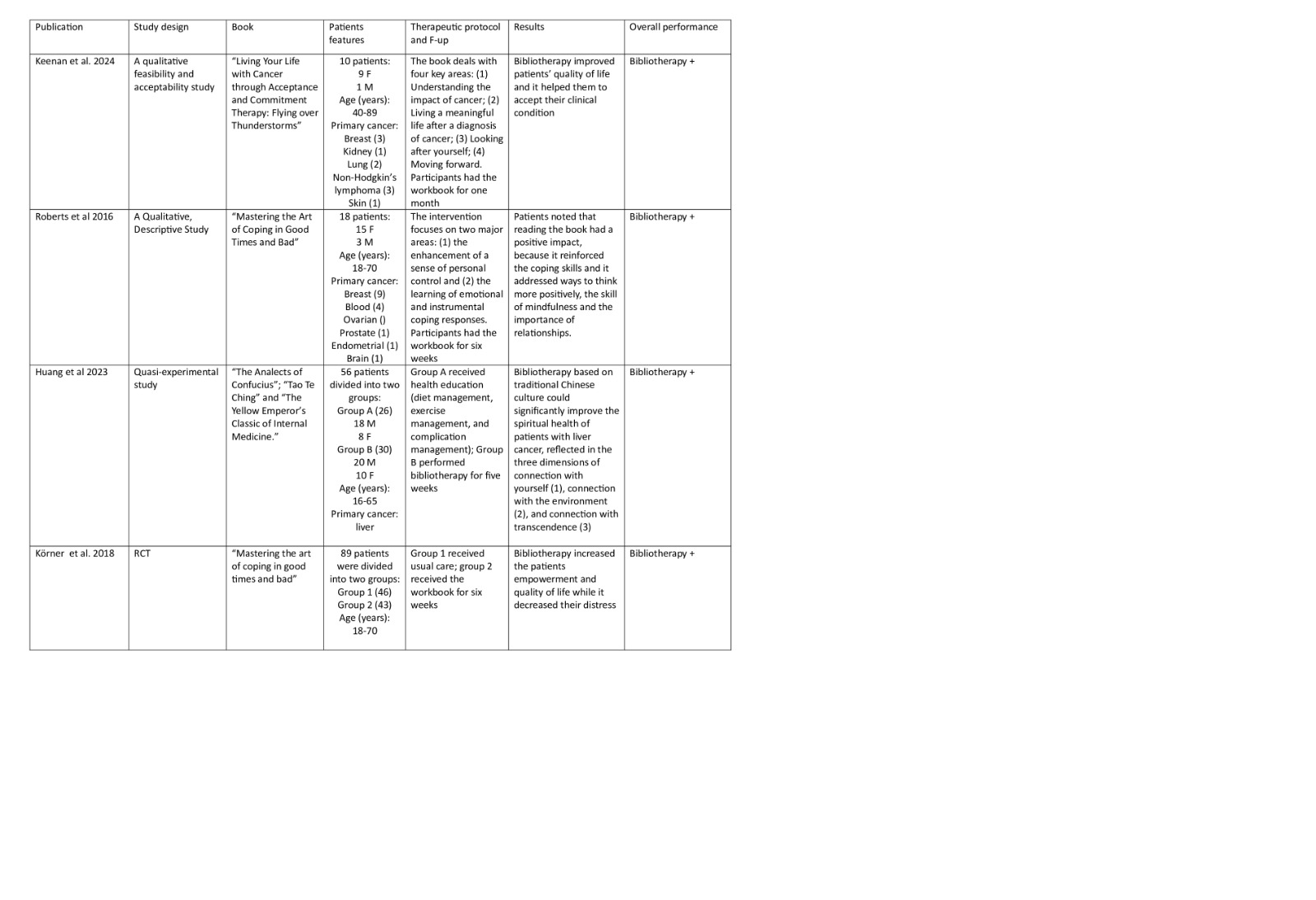
    Figure 2 summaries the principal key point of each article analyzed. All the authors proposed different books to improve patients’ quality of life and to reinforce relationship and meditation skills. These results highlight the central role of bibliotherapy as a valid method for accompanying and guiding the oncological patient throughout his treatment pathway.

    Discussion and clinical relevance

    Based on literature research, the authors have defined the contribution of bibliotherapy in the non-pharmacological management of mental health in oncology patients. Reading materials recommended by specialists have been associated with an enhanced perception of intrapersonal functioning and decreased suffering in individuals affected by cancer (3). The role of bibliotherapy is not curative; instead, it supports the patient in achieving enhanced adaptation to their disease.

    REFERENCES

    1. Tamura S, Suzuki K, Ito Y, Fukawa A. Factors related to the resilience and mental health of adult cancer patients: a systematic review. Support Care Cancer. 2021 Jul;29(7):3471-3486. doi: 10.1007/s00520-020-05943-7. Epub 2021 Jan 29. PMID: 33512578.
    2. Jones JK, Evans JF, Barfield RC. The Utility of Verbal Therapy for Pediatric Cancer Patients and Survivors: Expressive Writing, Video Narratives, and Bibliotherapy Exercises. Front Pediatr. 2021 Feb 4;9:579003. doi: 10.3389/fped.2021.579003. PMID: 33614548; PMCID: PMC7889798.
    3. Keenan E, Morris R, Vasiliou VS, Thompson AR. A qualitative feasibility and acceptability study of an acceptance and commitment-based bibliotherapy intervention for people with cancer. J Health Psychol. 2024 Apr;29(5):410-424. doi: 10.1177/13591053231216017. Epub 2023 Dec 29. PMID: 38158736; PMCID: PMC11005316.
  • Disagio motorio percepito nella esposizione alle levate temperature: ipotesi di una scheda di valutazione

    Disagio motorio percepito nella esposizione alle levate temperature: ipotesi di una scheda di valutazione

    Perceived motor discomfort after the exposure to high temperatures: hypothesis of an evaluation form

    Autori

    Francesca Sposito

    Francesco Bonanno

    Antonio Di Dio

    Patrizia Maenza

    Giada Di Marco

    Silvia Saraceno

    Filippo Cavallaro

    Introduction to clinical case

    The experience of a clinical case with motor disorders due to high temperature exposure and heat collapse led us to search in literature guidelines or recommendations. Unfortunately, not finding useful data and documents, we decided to describe the proposed therapeutic physiotherapy intervention and set ourselves the task of gathering more information on the motor discomfort perceived in the exposure to high temperatures by setting up an evaluation form to be proposed to those who had been exposed in the same event with the clinical case mentioned.

    Methods

    The scale proposed was the Belding-Hatch heat stress index, in order to identify the Heat Stress Index (HSI). Considering that sweat is the main mechanism by which the body transfers heat to maintain homothermia, this parameter was combined with the other aspects such as heart rate, respiratory performance, blood pressure, cramps, headache, nausea or vomiting. Clothing and the use of personal protective equipment (PPE) were also considered.

    Results

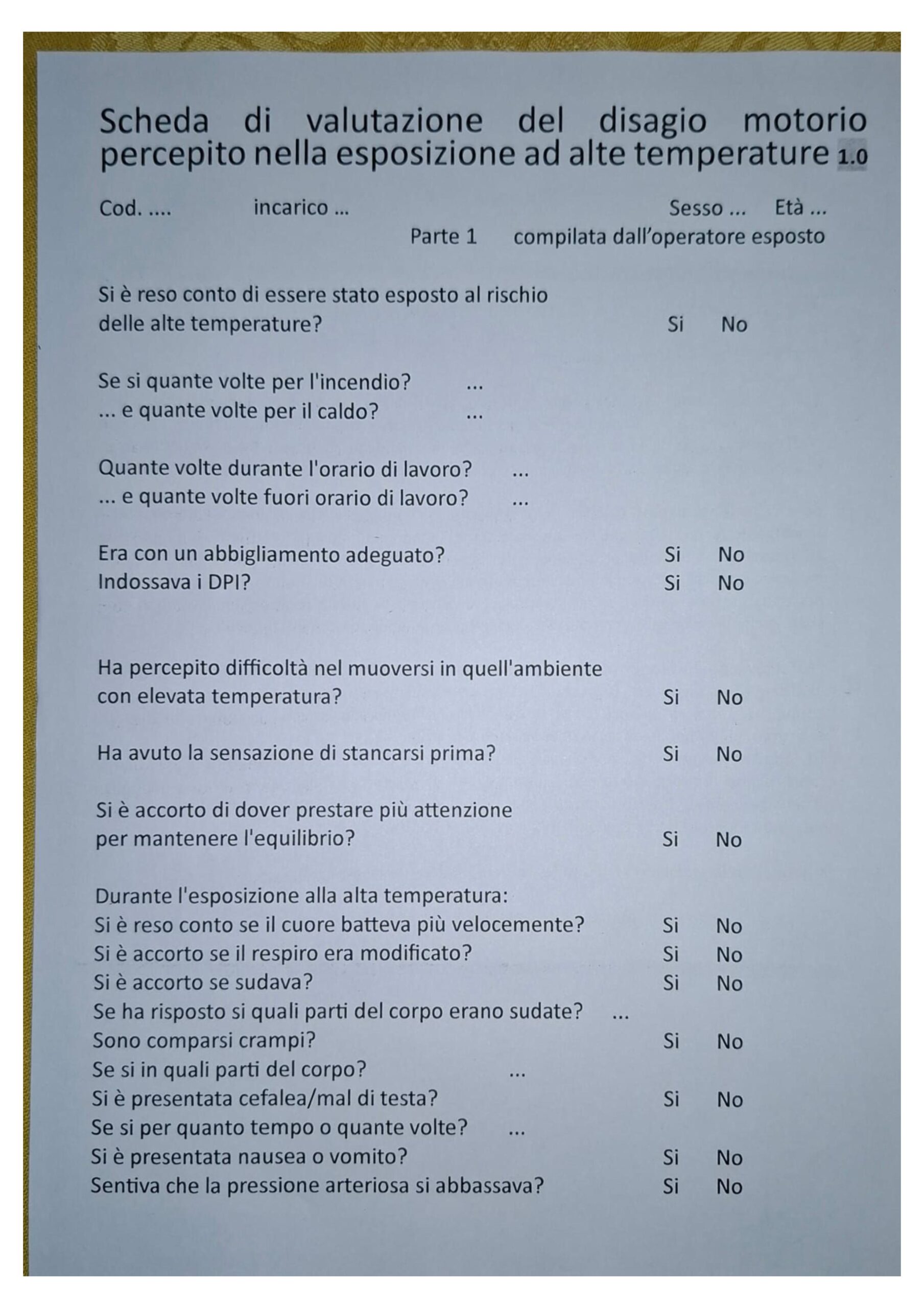
    We proposed a simple form composed by 20 questions (13 of them with closed yes or no answers and 7 open ones to better define 4 questions that had already been answered yes or no) (Fig.1). The initial master sheet enabled each respondent to be identified by survey code, job title, sex and age. This sheet was presented to the subject after he or she agreed to participate in the study. A second set of questions was asked by the interviewer on the amount and timing of hydration and on the duration of working hours before being able to go and lie down in a safe place.

    Discussion and clinical relevance

    The scale, being easy to use, could have the advantage of being included among the tools for assessing motor discomfort in conditions of exposure to the risk of high temperature. It could be used in risk assessment and to give greater awareness to people who most frequently confronted with the heat problem such as fires, or furnaces.

    REFERENCES

    Mario Lizza – la fatica di essere sani – Seusi

    https://www.messinamedica.it/2023/12/noterelle-riabilitative-del-padre-del-libraio-fiamme/


  • REhabilitation Arm Clinical pracTice (REACT). Sviluppo di un sondaggio con metodo Delphi sulla pratica clinica nella riabilitazione dell’arto superiore in esiti di ictus.

    REhabilitation Arm Clinical pracTice (REACT). Sviluppo di un sondaggio con metodo Delphi sulla pratica clinica nella riabilitazione dell’arto superiore in esiti di ictus.

    REhabilitation Arm Clinical pracTice (REACT). Development of a Delphi-based survey on clinical practice in upper limb rehabilitation after stroke

    Autori

    Rossi Federica [Department of Neurorehabilitation Sciences, IRCCS Istituto Auxologico Italiano, Milan, Italy]

    Amadei Maurizio [Department of Neurorehabilitation Sciences, IRCCS Istituto Auxologico Italiano, Milan, Italy]

    Vetere Andrea [Department of Neurorehabilitation Sciences, IRCCS Istituto Auxologico Italiano, Milan, Italy]

    Caronni Antonio [Department of Neurorehabilitation Sciences, IRCCS Istituto Auxologico Italiano, Milan, Italy – Department of Biomedical Sciences for Health, University of Milan, Milan, Italy]

    Perucca Laura [Department of Neurorehabilitation Sciences, IRCCS Istituto Auxologico Italiano, Milan, Italy – Department of Biomedical Sciences for Health, University of Milan, Milan, Italy]

    Background and aims

    Upper limb motor recovery after stroke remains one of the most challenging and heterogeneously managed aspects of neurorehabilitation. Clinical experience suggests that physiotherapists often recognize a discrepancy between what is considered optimal care and what is implemented in routine clinical practice [1]. Difficulties in achieving meaningful functional recovery, variability in clinical approaches, and uncertainty about the most effective treatment strategies highlight the complexity of upper limb rehabilitation and the need for greater clarity and consistency [2]. Although numerous guidelines exist, real-world practice, clinical reasoning, and professional perspectives are still poorly defined [3]. The REACT project explores current practice, beliefs, and challenges to identify areas for improvement and innovation.

    Methods

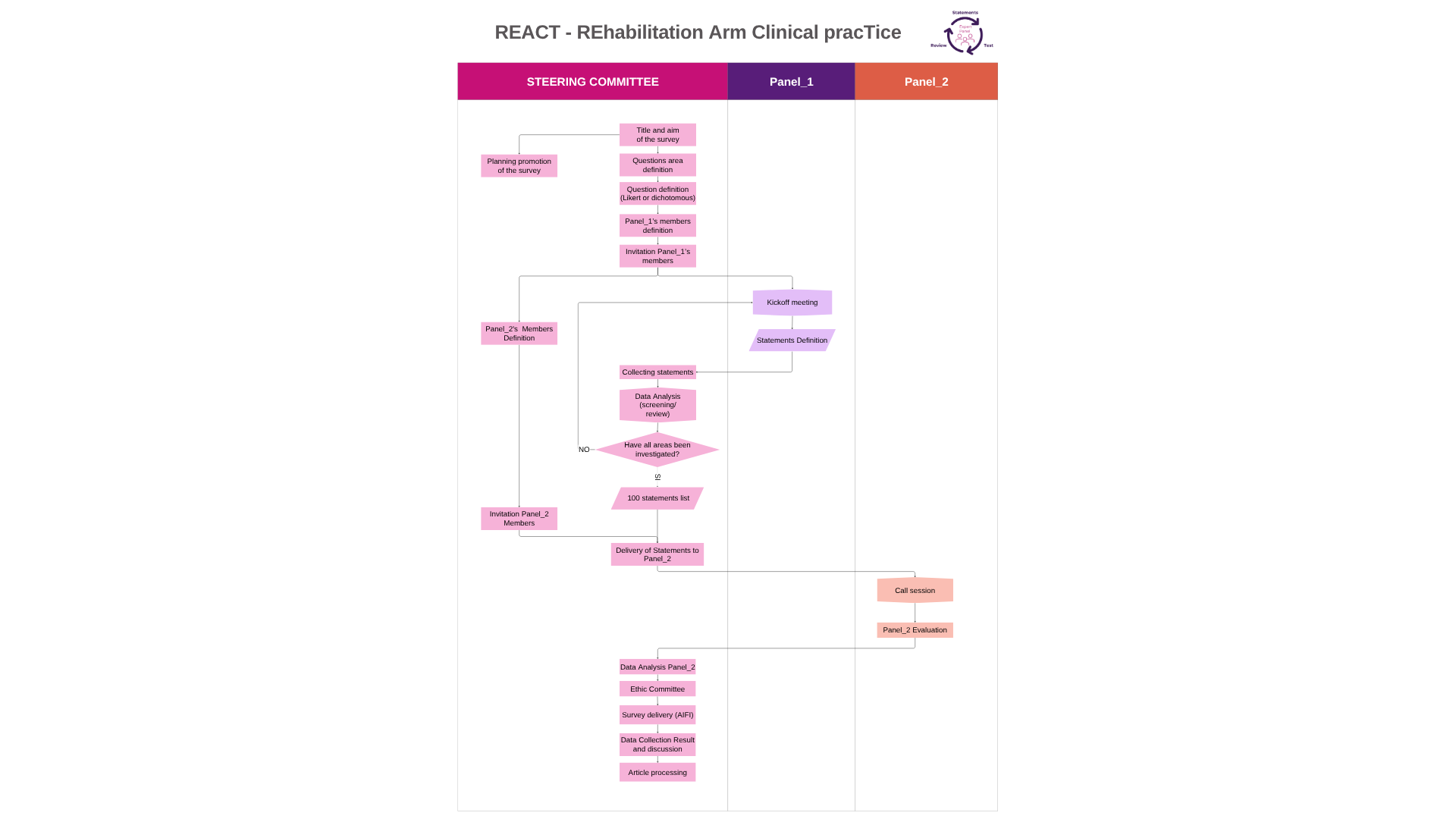
    REACT will adopt a modified two-step Delphi-based methodology involving panels of expert physiotherapists and multidisciplinary rehabilitation specialists.

    • Formation of a steering workgroup responsible for study coordination, panel selection, and thematic scope and areas.
    • Recruitment of a first panel (Panel 1), who will participate in structured meetings to generate survey statements. Thematic areas include clinical assessment, clinical conditions, rehabilitation interventions, physical modalities, planning and delivery of care, intensity of rehabilitation, drugs, team composition, and prognosis.
    • Recruitment of a second panel (Panel 2) to rate and validate the statements produced by Panel 1 for relevance, clarity, and appropriateness using Likert-scale evaluations.
    • Final selection of ~30 core items to construct the definitive survey.

    The workgroup will oversee data processing, duplicate removal, content validation, and thematic coverage analysis between Delphi rounds.

    The final version of the survey will be disseminated through the official channels and professional networks of AIFI (Associazione Italiana di Fisioterapia) to ensure a broad national reach and optimal engagement among practising physiotherapists.

    The protocol will undergo ethics committee approval before administering the survey .

    Results

    The project will develop a survey designed to reflect current physiotherapy practice in upper limb stroke rehabilitation accurately. The findings will identify dominant approaches, underused interventions, and perceived barriers.

    Results will be shared through peer-reviewed publications, professional society channels (e.g., AIFI), and scientific conferences.

    Conclusion

    The REACT Survey serves as a structured starting point for exploring physiotherapy practice in upper limb stroke rehabilitation. By capturing routine clinical practice in upper limb rehabilitation following a stroke, REACT will enable the identification of needs and areas for development in research into this common and significant condition within physiotherapy practice.

    REFERENCES

    1. Pollock A, Farmer SE, Brady MC, Langhorne P, Mead GE, Mehrholz J, van Wijck F. Interventions for improving upper limb function after stroke. Cochrane Database Syst Rev. 2014 Nov 12;2014(11):CD010820. doi: 10.1002/14651858.CD010820.pub2. PMID: 25387001; PMCID: PMC6469541.
    2. Hayward KS, Kramer SF, Thijs V, Ratcliffe J, Ward NS, Churilov L, Jolliffe L, Corbett D, Cloud G, Kaffenberger T, Brodtmann A, Bernhardt J, Lannin NA. A systematic review protocol of timing, efficacy and cost effectiveness of upper limb therapy for motor recovery post-stroke. Syst Rev. 2019 Jul 25;8(1):187. doi: 10.1186/s13643-019-1093-6. PMID: 31345263; PMCID: PMC6657039.
    3. Winstein CJ, Wolf SL, Dromerick AW, Lane CJ, Nelsen MA, Lewthwaite R, Cen SY, Azen SP; Interdisciplinary Comprehensive Arm Rehabilitation Evaluation (ICARE) Investigative Team. Effect of a Task-Oriented Rehabilitation Program on Upper Extremity Recovery Following Motor Stroke: The ICARE Randomized Clinical Trial. 2016 Feb 9;315(6):571-81. doi: 10.1001/jama.2016.0276. PMID: 26864411; PMCID: PMC4795962.
  • Dovrebbero i fisioterapisti valutare i disordini muscoloscheletrici del distretto dell’anca nei pazienti con instabilità cronica di caviglia? Una revisione sistematica

    Should physical therapists evaluate musculoskeletal disorders of the hip district in patients with chronic ankle instability? A systematic review

    Autori

    Alessio Mantineo [Alma Mater Studiorum, University of Bologna, Bologna, Italy]

    Alex Lando [Department of Biomedical and Neuromotor Sciences-DIBINEM, Alma Mater University of Bologna, Bologna Italy]

    Angela Scariato [Alma Mater Studiorum, University of Bologna, Bologna, Italy]

    Martina Andò [Department of Biomedical and Neuromotor Sciences-DIBINEM, Alma Mater University of Bologna, Bologna Italy]

    Giorgia Pregnolato [Insight SFI Research Centre, University College Dublin, Dublin, Ireland]

    Tiziana Manni [Alma Mater Studiorum, University of Bologna, Bologna, Italy]

    Andrea Turolla [Department of Biomedical and Neuromotor Sciences-DIBINEM, Alma Mater University of Bologna; Unit of Occupational Medicine, IRCCS Azienda Ospedaliero-Universitaria di Bologna, Bologna Italy]

    Background and aims

    Background:

    Literature has demonstrated the presence of regional interdependence between ankle and hip joint in people with “Chronic Ankle Instability” (CAI), but is not possible to determine whether the muscular strength deficits of the hip and knee are associated with the development of CAI, or are just a consequence of that.

    Aims:

    The purpose of the study is to systematically review primaries studies that provide an evaluation on hip joint muscle strength, activation, kinematics, pain and coordination in subjects with CAI and suggest physical therapists in the evaluation of that during their physical examination and clinical reasoning.

    Methods

    The study design is a systematic review of literature conducted according to the Preferred Reporting Items for Systematic Reviews and Meta-Analyses (PRISMA) statement.

    The search protocol was registered in PROSPERO database (ID:CRD42024608731).

    Search string was launched in MEDLINE, Cochrane Library, Web of Science, CINAHL, Scopus, PEDro, Embase.

    Inclusion criteria was any primary studies with a population of subjects with CAI symptoms (based on selection criteria for patient with CAI established from International Ankle Consortium) and presence of physical or instrumental evaluation of hip joint district muscles.  The primary outcome was an evaluation of hip muscles strength. Secondary outcomes were muscle activation evaluated by electromyography studies of hip district, pain, kinematics and physical tests.

    Abstract and full text screening was assessed by two independent  reviewer and a third to resolve conflict. 

    Risk of Bias assessment was assessed with ROB2 tool and CASP Checklist.


    Results

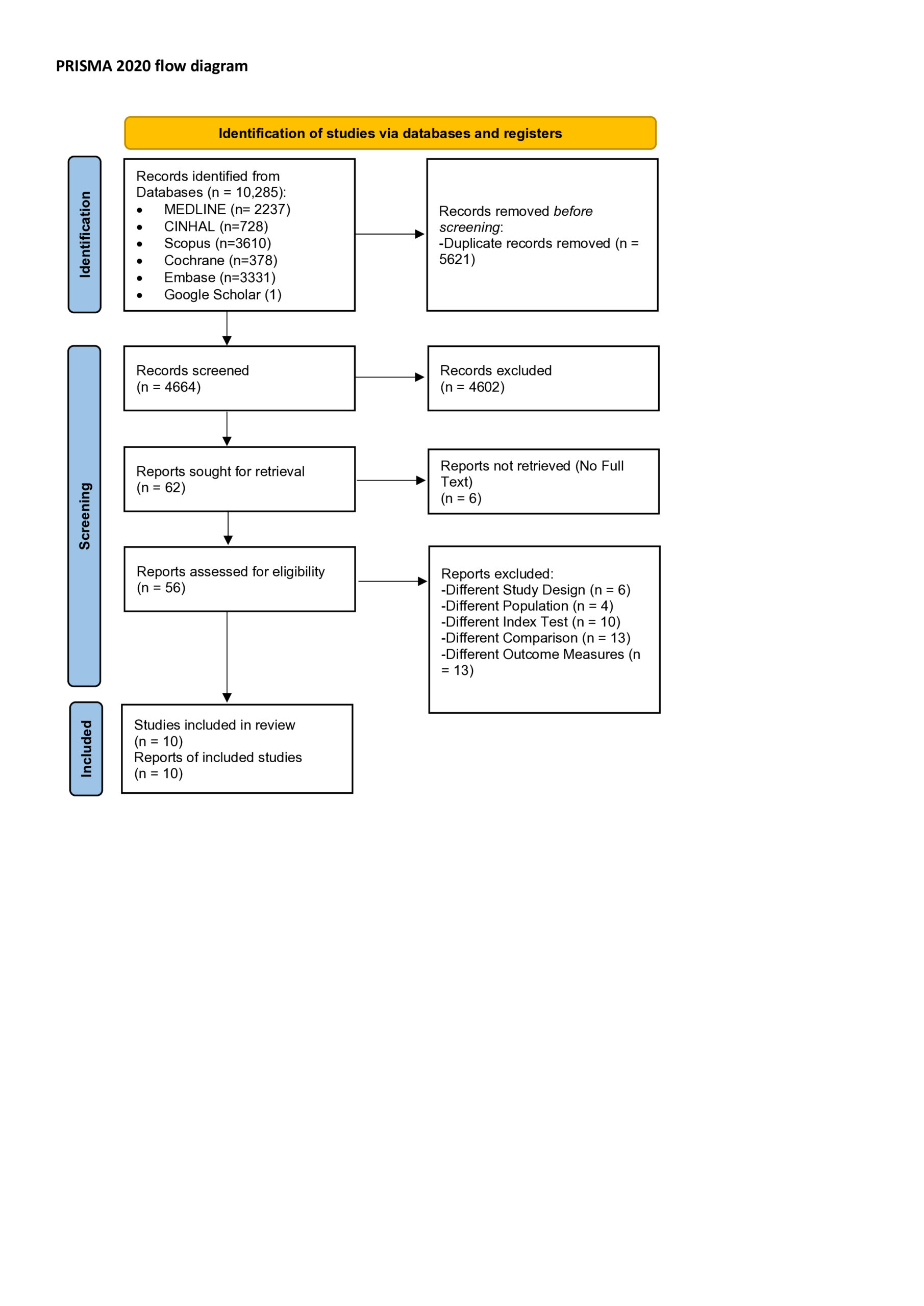
    From 1570 studies, 58 was included and analysed. We found that in subjects with CAI there was an alteration of hip muscle strength, hip muscle activation and hip kinematics during functional tasks, that involved also static and dynamic balance, causing an alteration of frontal and sagittal hip kinematic plane, during walking, running, jumping, cutting movements and other functional movements, and an increased hip muscle activation during those tasks to maintain postural control.

    Conclusion

    The results of this study suggest the importance of a clinical assessment of hip district, focused on hip muscles strength, in chronic ankle instability patients; so this can help physical therapists in their clinical practice for a broader view of patient dysfunction from a regional interdependence perspective. It will be important in the future to carry out a quantitative analysis of data, that would allow generalization of data about the population under consideration.

    REFERENCES

    1. Delahunt E, Coughlan GF, Caulfield B, Nightingale EJ, Lin CWC, Hiller CE. Inclusion Criteria When Investigating Insufficiencies in Chronic Ankle Instability. Med Sci Sports Exerc. novembre 2010;42(11):2106–21.
    2. Ghislieri M, Labanca L, Mosca M, Bragonzoni L, Knaflitz M, Benedetti M, et al. Balance and Muscle Synergies During a Single-Limb Stance Task in Individuals With Chronic Ankle Instability. IEEE Trans NEURAL Syst Rehabil Eng. 2023;31:4367–75.
    3. Delahunt E, Monaghan K, Caulfield B. Altered Neuromuscular Control and Ankle Joint Kinematics during Walking in Subjects with Functional Instability of the Ankle Joint. Am J Sports Med. dicembre 2006;34(12):1970–6. 
  • L’esperienza di tutoraggio tra pari durante i tirocini clinici degli studenti di fisioterapia: una meta-sintesi di studi qualitativi

    L’esperienza di tutoraggio tra pari durante i tirocini clinici degli studenti di fisioterapia: una meta-sintesi di studi qualitativi

    The Experience of Peer Tutoring During Clinical Internships of Physiotherapy Students: A Meta-Synthesis of Qualitative Studies

    Autori

    Salvitti Simone [Unit of Cardiorespiratory Physiotherapy, Azienda Sanitaria Universitaria Friuli Centrale (ASUFC) and Department of Medicine, University of Udine – Udine, Italy]

    Colado Gimeno Isabel [Unit of Pediatric Physiotherapy, Azienda Sanitaria Universitaria Friuli Centrale (ASUFC) – Udine, Italy]

    Palese Alvisa [Department of Medicine, University of Udine – Udine, Italy]

    Mansutti Irene [Department of Medicine, University of Udine – Udine, Italy]

    Di Bari Mauro [Unit of Geriatrics, Department of Medicine and Geriatrics, Azienda Ospedaliero-Universitaria Careggi and Department of Experimental and Clinical Medicine, University of Florence – Florence, Italy]

    Background and aims

    Clinical internships are fundamental for the development of clinical competence and professional identity, yet they often overlook psychodynamic and adaptive skills, which are essential in high-pressure environments. Organisational variability and the lack of adequately trained clinical tutors further exacerbate the issue. In this context, peer tutoring emerges as a promising strategy: more experienced students support junior peers, fostering mutual learning, confidence, and emotional resilience.

    While several qualitative and mixed-method studies exist on this topic, no systematic synthesis had been conducted prior to this work. A meta-synthesis is therefore needed to guide the development of innovative and sustainable educational models capable of addressing the challenges of an evolving healthcare system.

    The aim of this study was to identify, analyze, and synthesize qualitative findings regarding the experiences of Physiotherapy students participating in a peer tutoring program during their clinical internships. Specifically, the study addresses the following research questions:

    • What experiences of junior students (mentees) during clinical internships supervised by fellow students have been documented to date?
    • What are the experiences of senior students (mentors) during clinical internships when acting as mentors to their peers?

    Methods

    The SPIDER approach, specifically tailored for qualitative and mixed-methods research, was used to frame the research question for the database searches as an alternative to the PICO framework. A qualitative meta-synthesis was carried out, including studies evaluated using the Critical Appraisal Skills Programme (CASP) checklist for qualitative research. Data were analyzed through inductive thematic analysis, and the GRADE-CERQual tool was used to assess confidence in the findings. Reporting followed Cochrane Qualitative Evidence Synthesis guidelines. The research protocol was registered in PROSPERO (CRD420251004431).

    Results

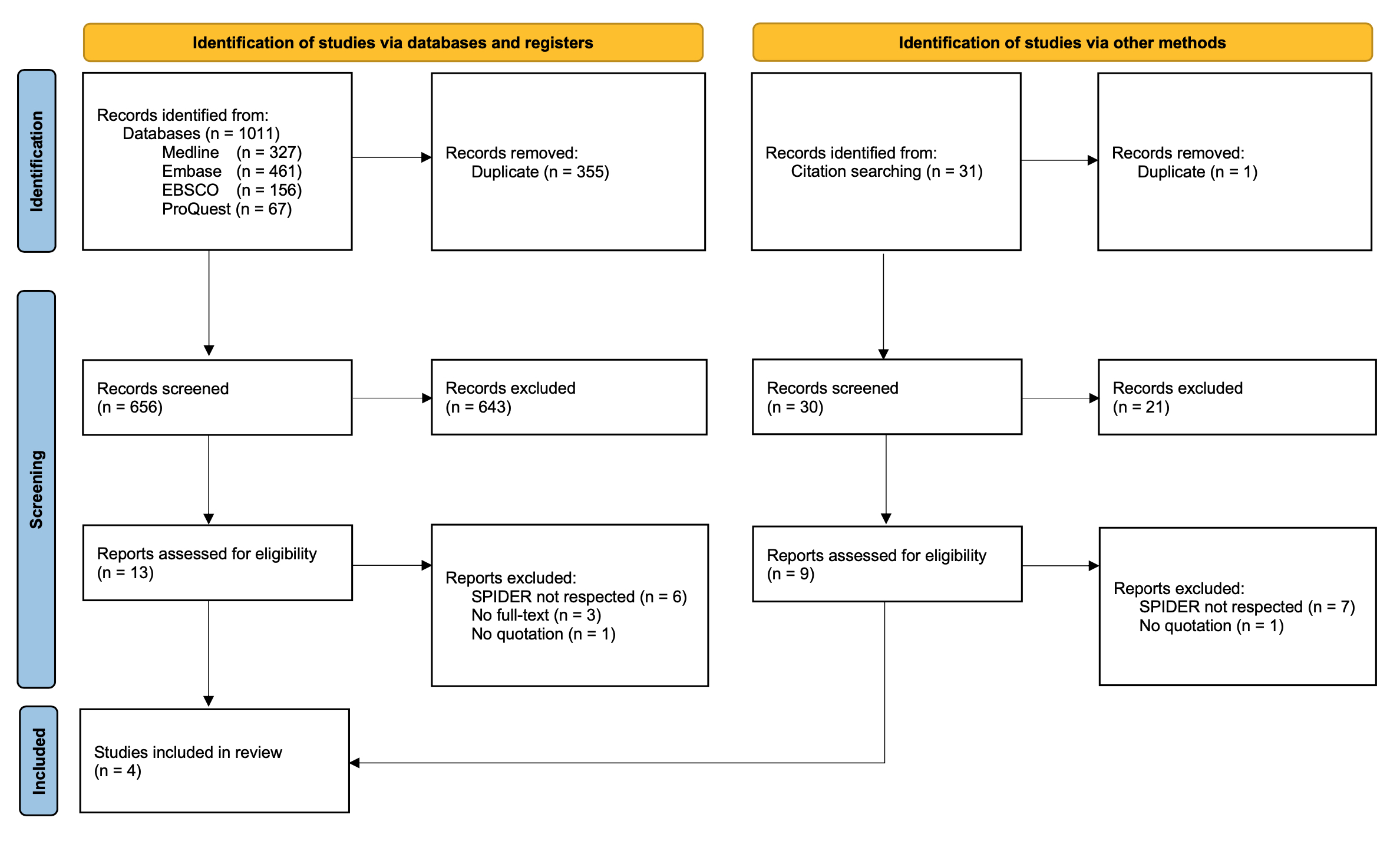
    Out of 686 identified articles, four were included in the final analysis. Two central themes emerged: 1) Mentees reported a desire to engage in patient care, viewing mentors as role models; 2) Mentors focused on their own personal and professional development, embracing a reciprocal, non-competitive learning dynamic. The integrative synthesis also revealed four broader themes: a) Indirect impact of clinical tutors on peer relationships; b) Barriers to peer collaboration; c) Peer tutoring as a driver of personal growth; d) Easing the difficulties of working independently.

    Conclusion

    A well-structured peer tutoring can benefit both mentors and mentees, enhancing learning and skill development. However, the dual role of the clinical tutors as both supervisors and evaluators may strain peer relationships and contribute to increased anxiety and stress among students.

    REFERENCES

    1. Laitinen-Väänänen, S., Talvitie, U., & Luukka, M. R. (2007). Clinical supervision as an interaction between the clinical educator and the student. Physiotherapy theory and practice, 23(2), 95-103.
    2. Sevenhuysen, S., Thorpe, J., Molloy, E., Keating, J., & Haines, T. (2017). Peer-assisted learning in education of allied health professional students in the clinical setting: a systematic review. Journal of allied health, 46(1), 26-35.
    3. Price, D., & Whiteside, M. (2016). Implementing the 2: 1 student placement model in occupational therapy: Strategies for practice. Australian Occupational Therapy Journal, 63(2), 123-129.
    4. Campbell, I. E., Larrivee, L., Field, P. A., Day, R. A., & Reutter, L. (1994). Learning to nurse in the clinical setting. Journal of advanced nursing, 20(6), 1125-1131.
    5. Hunt, C. W., & Ellison, K. J. (2010). Enhancing faculty resources through peer mentoring. Nurse educator, 35(5), 192-196.