Categoria: Congresso 2024

  • STUDIO DI AFFIDABILITÀ DELL’APPLICAZIONE “DrGoniometer” PER LA MISURAZIONE DEGLI ANGOLI ARTICOLARI DI GINOCCHIO E CAVIGLIA DURANTE IL CAMMINO IN SOGGETTI SANI

    STUDIO DI AFFIDABILITÀ DELL’APPLICAZIONE “DrGoniometer” PER LA MISURAZIONE DEGLI ANGOLI ARTICOLARI DI GINOCCHIO E CAVIGLIA DURANTE IL CAMMINO IN SOGGETTI SANI

    STUDIO DI AFFIDABILITÀ DELL’APPLICAZIONE “DrGoniometer” PER LA MISURAZIONE DEGLI ANGOLI ARTICOLARI DI GINOCCHIO E CAVIGLIA DURANTE IL CAMMINO IN SOGGETTI SANI

    Reliability of the DrGoniometer mobile application in goniometric assessment of knee and ankle during gait in healthy subjects

    Autori

    Arrighi Lorenzo [Private practice, Milano, Italy]

    Pellicciari Leonardo [IRCCS Istituto delle Scienze Neurologiche di Bologna, Italy]

    Morandini Matteo [Degree in Physical Therapy, University of Florence, Florence, Italy]

    Vannucchi Luca [Unit of Functional Rehabilitation, Department of Allied Health Professions, Azienda USL Toscana Centro, Florence, Italy]

    Bravini Elisabetta [Rehability Bellinzona, Bellinzona, Switzerland]

    La Porta Fabio [Private practice, Milano, Italy]

    Vercelli Stefano [Rehabilitation Research Laboratory 2rLab, DEASS, University of Applied Sciences and Arts of Southern Switzerland, Manno, Switzerland]

    Introduction

    Valid and reliable measurement tools are essential for assessing human movement and supporting clinical decisions in physiotherapy. Mobile devices can now be considered mainstream tools for collecting physical activity data and enabling motion analysis. The DrGoniometer app (DrG; CDM srl, Milan, Italy) has been developed to provide a simple and fast measurement of joint motion. It is a virtual goniometer placed over an image previously captured by the device’s camera. It is reliable and valid in the photographic goniometry measurement of the elbow, knee, shoulder, and first metacarpo-phalangeal joint [1,2,3,4]. Recently, the application has been updated by including the ability to measure a frame acquired from a video, and its reproducibility was studied during the assessment of the break-point angle in the Nordic Hamstring exercise. However, the reliability of the goniometric measurement during gait has not yet been verified. Aim of this study was to calculate the inter- and intra-rater reliability of the app in measuring knee and ankle joint angles during gait, and the agreement between the app and a reference method, i.e., motion analysis.

    Methods

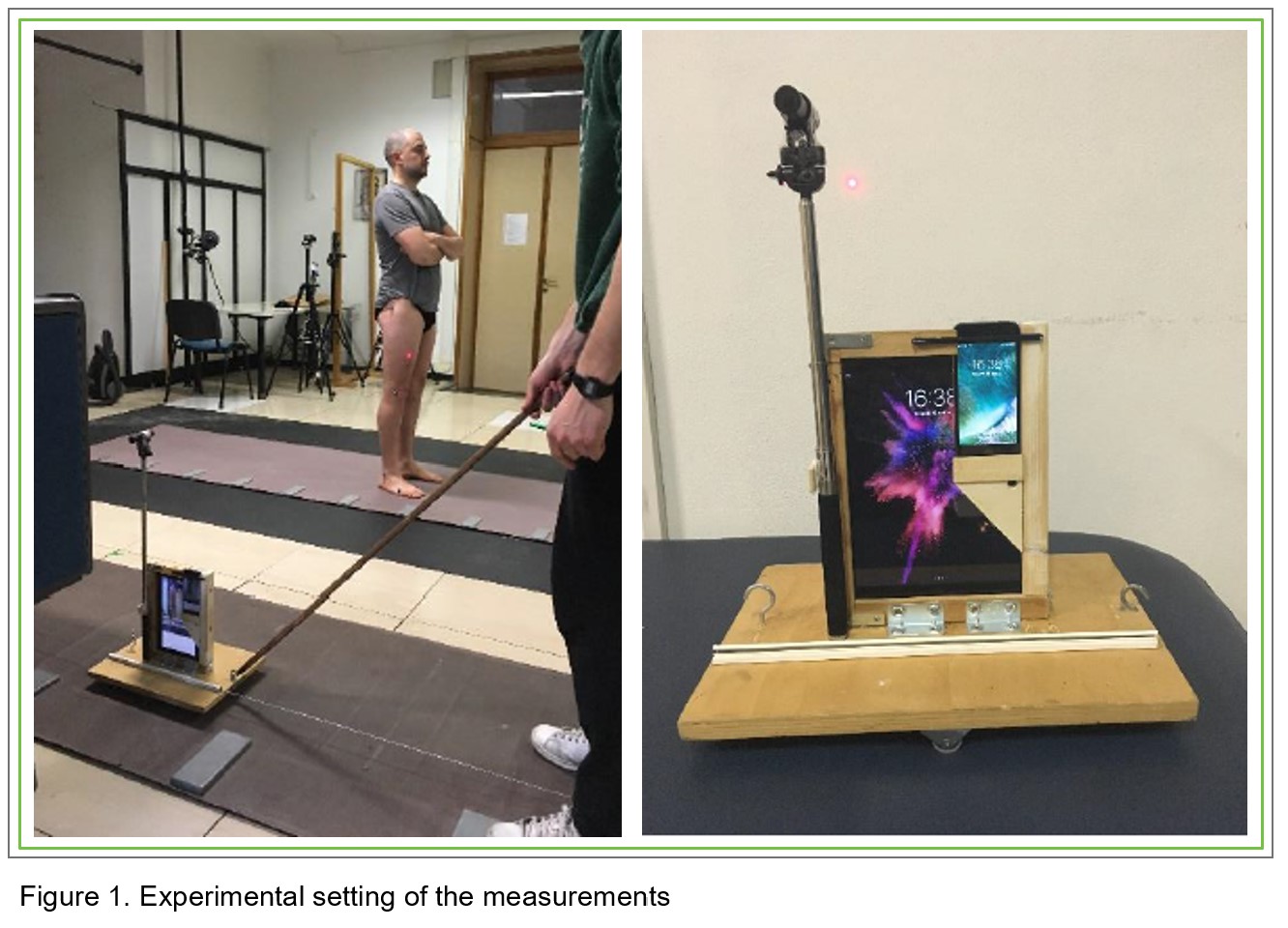
    Thirty healthy adult subjects (mean±SD age: 29.3 years; 56.7% male) were simultaneously filmed with iPad and iPhone during normal gait. To avoid angle distortion, a trolley with a laser pointer was built with specific support for iPad/iPhone to keep them in a vertical position, guided in its path parallel to the subject’s gait by a taut stainless steel wire. Two conditions were recorded: a gait cycle with (greater trochanter, femoral condyle, lateral malleolus, and fifth metatarsal) and without markers with a simultaneous recording of an optoelectronic motion analysis system (SMART-E 600; BTS, Milan, Italy). The right knee and ankle joint angles at the toe-off and heel strike and the maximum knee flexion within the gait cycle were collected by three independent assessors (two physiotherapy students and one experienced physiotherapist). The intra- and inter-rater reliability were studied using the Intraclass Correlation Coefficient (ICC) and minimal detectable change (MDC95); the agreement between the assessment with iPad/iPhone and the gait analysis were analysed using the Bland-Altman plots.

    Results

    The intra-rater reliability was excellent with markers and moderate-to-excellent without markers. The inter-rater reliability with markers was moderate-to-excellent, moderate-to-good for iPad and poor-to-good for iPhone. ICCs and MDC95 are reported in Table 1. The Bland-Altman plots showed a substantial agreement of the measurements with the DrG using iPad and iPhone and the optoelectronic system (all upper and lower limits of agreement ranges were between +-10 to 15°).

    Discussion and Conclusion

    Joint angle measurements with DrG during gait are reliable in healthy subjects. Reliability was higher in assessments with markers, and using the iPad compared to the iPhone. The DrG app can be used in clinics to capture reliable joint angles during gait when a motion analysis system is not available.

    REFERENCES

    1) Ferriero G, Vercelli S, Sartorio F, Muñoz Lasa S, Ilieva E, Brigatti E, Ruella C, Foti C.
    Reliability of a smartphone-based goniometer for knee joint goniometry. Int J Rehabil
    Res. 2013 Jun;36(2):146-51. 10.1097/MRR.0b013e32835b8269. PMID: 23196790.
    2) Ferriero G, Sartorio F, Foti C, Primavera D, Brigatti E, Vercelli S. Reliability of a new
    application for smartphones (DrGoniometer) for elbow angle measurement. PM R.
    2011 Dec;3(12):1153-4. doi: 10.1016/j.pmrj.2011.05.014. PMID: 22192326.
    3) Mitchell, Katy; Gutierrez, Simran Bakshi; Sutton, Stacy; Morton, Stephanie;
    Morgenthaler, Andrea (2014). Reliability and validity of goniometric iPhone
    applications for the assessment of active shoulder external rotation. Physiotherapy
    Theory and Practice, 30(7), 521–525. 40
    4) Otter, S.J., Agalliu, B., Baer, N. et al. The reliability of a smartphone goniometer
    application compared with a traditional goniometer for measuring first
    metatarsophalangeal joint dorsiflexion. J Foot Ankle Res 8, 30 (2015)

  • Adattamento italiano e studio psicometrico pilota su uno strumento di misura in sanità. Una proposta di applicazione per il Moral Distress

    Adattamento italiano e studio psicometrico pilota su uno strumento di misura in sanità. Una proposta di applicazione per il Moral Distress

    Italian adaptation and pilot psychometric study on a health measurement instrument: A proposal for the application to Moral Distress.

    Autori

    Marchetti Filippo [University of Siena, Siena, Italy]

    Introduction

    Nel 1984 Andrew Jameton definì il Moral Distress (MD) come: “Una situazione in cui il soggetto conosce il giusto corso d’azione, ma è impedito dal metterlo in atto” (Jameton, 1984). Positivamente associati al Distress Morale sono: L’intenzione di lasciare la propria job position (Lamiani et al., 2017; Epstein et al., 2019; Shoorideh et al., 2015; Almutairi et al., 2019), la scarsa soddisfazione lavorativa (de Veer et al., 2013), sintomi ansiosi e depressivi (Schneider et al., 2021; Lamiani et al., 2017), aumentato turnover (Luo et al., 2018), riduzione della qualità delle cure (McAndrew et al., 2018) e la Burnout Syndrome (Badolamenti et al., 2017; Epstein et al., 2019; Baele and Fontaine, 2021; Shoorideh et al., 2015), mentre correlazione negativa è stata riscontrata tra MD e clima etico (Hamric et al., 2012; Epstein et al., 2019; Hamric and Blackhall, 2007)

    Methods

    Esplorare le proprietà psicometriche della traduzione italiana del questionario MMD-HP tramite : (a)Analisi struttura fattoriale dello strumento attraverso procedure di analisi fattoriale confermativa, (b) Affidabilità sotto forma di indici di consistenza interna, (c) Potenziali differenze nei punteggi al questionario in base al genere e in base al profilo professionale, (d) Associazione tra i punteggi ottenuti al questionario e le seguenti variabili: Età, anzianità professionale misurata in termini di anni dall’inizio dell’attività, punteggi al questionario Ethical Leadership Scale (Brown et al., 2005; versione italiana di Zappalà & Toscano, 2020).

    Results

    Su 160 pazienti è stata condotta un’analisi fattoriale esplorativa data la limitata numerosità campionaria su cui sono state studiate caratteristiche descrittive a livello statistico degli item all’interno della sottoscala Frequenza e Livello di Distress per verificarne la normale distribuzione delle variabili. Successivamente l’indice KMO e il Test Chi Quadrato di Bartlett hanno confermato che era possibile procedere con un analisi fattoriale esplorativa. Successivamente sono state rilevate varie misurazioni quali l’Analisi della Comunalità statistica, il calcolo degli Eigenvalues o Autovalori, la rappresentazione con il grafico scree Plot, le correlazioni fattoriali, la Matrice dei modelli con metodo di rotazione pattern Matrix, il calcolo dell’Affidabilità come consistenza interna ed infine le correlazioni di genere uomo-donna e tra Età-Anzianità lavorativa- punteggio scala ELS.

    Discussion and Conclusion

    Discussione: Il processo di traduzione in italiano del MMD-HP è stato effettuato secondo un protocollo conforme agli standard internazionali (Behling & Law, 2000). Il questionario tradotto è stato somministrato al campione tramite la piattaforma Google Form da cui sono stati estrapolati in data 25/03/2023 i dati all’interno di un foglio di calcolo Excel. Il totale dei partecipanti è risultato di 160 e su questi è stata condotta una preliminare Analisi Fattoriale Esplorativa che ha evidenziato che gli items di questa matrice per entrambe le sottoscale che compongono la MMD-HP corrispondono agli items presenti nel questionario originale della autrice Epstein, con simili caratteristiche fattoriali.

    Questo lavoro fornisce i primi risultati psicometrici preliminari dello strumento MMD-HP tradotto in italiano che dovrà essere indagato ulteriormente in futuro, con sperimentazioni su campioni più ampi, e diventare uno strumento a disposizione dei dirigenti nell’area delle Scienze Riabilitative per monitorare e esplorare i livelli di stress su un aspetto misconosciuto e poco considerato nei contesti clinici sanitari e riabilitativi.

    REFERENCES

    • Almutairi A.F., Salam M., Adlan A.A., Alturki A.S. (2019) Prevalence of severe moral distress among healthcare providers in Saudi Arabia. Psychol Res Behav Manag. 12:107-115. doi: 10.2147/PRBM.S191037. PMID: 30804690; PMCID: PMC6375112.
    • American Association of Critical-Care Nurses, Ethics Work Group. The 4A’ to rise above moral distress. AlisoVicjo, CA; 2004.
      http://www.aacn.org/WD/Practice/DOcs/4As_to_Rise_Above_Moral_Distress.pdf.
    • Atabay G, et al. Impact of ethical climate on moral distress revisited: multidimensional view. Nurs Ethics 2015; 22(1): 103-16.
    • Austin W, et al. An overview of moral distress and the pediatric intensive care team. Nurs Ethics 2009;16(1):57-68.
    • Austin W. Moral distress and the contemporary plight of health professionals. HEC Forum 2012;24(1):27-38.
    • Badolamenti S., Fida R., Biagioli V., Caruso R., Zaghini F., Sili A., Rea T. (2017) Modified Moral Distress Scale (MDS-11): Validation Study Among Italian Nurses. Prof Inferm. 70(4):238-248. English. doi: 10.7429/pi.2017.704238. PMID: 29460561.
    • Baele C.A., Fontaine J.R.J. (2021) The Moral Distress-Appraisal Scale: Scale development and validation study. J Adv Nurs. 77(10):4120-4130. doi: 10.1111/jan.14923. Epub 2021 Jun 25. PMID: 34171142.
    • Bayanzay K., Amoozgar B., Kaushal V., Holman A., Som V., Sen S. (2022) Impact of profession and wards on moral distress in a community hospital. Nurs Ethics. 29(2):356-363. doi: 10.1177/09697330211015349. Epub 2021 Nov 2. PMID: 34727763.
    • Behling, O. and Law, K.S. (2000) Translating Questionnaires and Other Research Instruments: Problems and solutions. SAGE Publications, Inc., Thousand Oaks. https://doi.org/10.4135/9781412986373
    • Berger, J. (2014). Word of mouth and interpersonal communication: A review and directions for future research. Journal of Consumer Psychology, 24(4), 586–607. https://doi.org/10.1016/j.jcps.2014.05.002
    • Beumer CM. Innovative solutions: the effect of a workshop on reducing the experience of moral distress in an intensive care unit setting. Dimens Crit Care Nurs 2008;27(6):263-7.
    • Brandon D, et al. Impact of a pediatric quality of life program on providers’ moral distress. MCN Am | Matern Child Nurs 2014;39(3):189-97.
    • Brown ME, Trevifio LK, Harrison DA. Ethical leadership: A social learning perspective for construct development and testingé Organ Behav Hum Decis Process. 2005;97(2):117-134. doi:10.1016/j.0bhdp.2005.03.002
    • Brown-Saltaman K, et al. An intervention to improve respiratory therapists’ comfort with end-of life care. Respir Care 2010;55(7):858-65.
    • Browning AM. CNE article: moral distress and psychological empowerment in critical care nurses caring for adults at end of life. Am ] Crit Care 2013 143-51.
    • Bruce CR, Miller SM, Zimmerman JL. A qualitative study exploring moral distress in the ICU team: the importance of unit functionality and intrateam dynamics. Crit Care Med. 2015 Apr;43(4):823-31. doi: 10.1097/CCM.0000000000000822. PMID: 25525754.
    • Burston AS, Tuckett AG. Moral distress in nursing: contributing factors, outcomes and interventions. Nurs Ethics 2013; 20(3):312-24.
    • Corley M.C., Elswick R.K., Gorman M., Clor T. (2001) Development and evaluation of a moral distress scale. J Adv Nurs. 33(2):250-6. doi: 10.1046/j.1365-2648.2001.01658.x. PMID: 11168709.
    • Cosentino, C., Carofano D., Cominotti E., Dibello A., Floris E., Hadif J., Zanetti D., Zavaroni E., Artiou G., Saru L. (2018) Le determinanti della soddisfazione lavorativa degli infermieri in area critica.Scenario, [S.l.], v. 35, n. 3, p. 5-10. ISSN 2239-6403. Disponibile all’indirizzo <https://scenario.aniarti.it/index.php/scenario/article/view/360>.
    • De Veer A.J., Francke A.L., Struijs A., Willems D.L. (2013) Determinants of moral distress in daily nursing practice: a cross sectional correlational questionnaire survey. Int J Nurs Stud. 50(1):100-8. doi: 10.1016/j.ijnurstu.2012.08.017. Epub 2012 Sep 16. PMID: 22989404.
    • Deady R, McCarthy. A study of the situations, features, and coping mechanisms experienced by Irish psychiatric nurses experiencing moral distress. Perspect Psychiatr Care 2010;46(3): 209-20. Distress Scale (MDS-11): Validation Study Among Italian Nurses. Prof Inferm. 70(4):238-248. English. doi: 10.7429/pi.2017.704238. PMID: 29460561.
    • Epsein E.G., Whitehead P.B., Prompahakul C., Thacker L.R., Hamric A.B. (2019) Enhancing Understanding of Moral Distress: The Measure of Moral Distress for Health Care Professionals. AJOB Empir Bioeth. 10(2):113-124. doi: 10.1080/23294515.2019.1586008. Epub 2019 Apr PMID: 31002584.
    • Fischer-Grönlund C., Brännström M. (2021) The Swedish translation and cultural adaptation of the Measure of Moral Distress for Healthcare Professionals (MMD-HP). BMC Med Ethics. 22(1):151. doi: 10.1186/s12910-021-00722-3. PMID: 34772400; PMCID: PMC8588668.
    • Fujii T, Katayama S, Miyazaki K, Nashiki H, Niitsu T, Takei T, Utsunomiya A, Dodek P, Hamric A, Nakayama T. (2021) Translation and validation of the Japanese version of the measure of moral distress for healthcare professionals. Health Qual Life Outcomes. 19(1):120. doi: 10.1186/s12955- 021-01765-1. PMID: 33849571; PMCID: PMC8045393.
    • Grace PJ, et al. Clinical ethics residency for nurses: an education model to decrease moral distress and strengthen nurse retention in acute care.]NursAdm 2014;44(12):640-6.
    • Grady C, et al. Does ethics education influence the moral action of practicing nurses and social workers? Am ] Bioeth 2008;8(4):4-1.
    • Hallett K. The sanctity of life—the sanctity of choice. Narat Inq Bioeth 2013;3(2):95-8.
    • Hamric A. B, Borchers C. D and Epstein E. G (2012) Development and Testing of an Instrument to Measure Moral Distress in Healthcare Professionals, AJOB Primary Research, 3:2, 1-9, DOI: 10.1080/21507716.2011.652337
    • Hamric AB, Blackhall LJ. (2007) Nurse-physician perspectives on the care of dying patients in intensive care units: collaboration, moral distress, and ethical climate. Crit Care Med. 35(2):422-9. doi: 10.1097/01.CCM.0000254722.50608.2D. PMID: 17205001.
    • Helfe PR, et al. Facilitated ethics conversations: a novel program for managing moral distress in bedside nursing staff. JONAS Healthe Law Ethics Regul 2009;11(1):27-33.
    • Henrich NJ, Dodek PM, Alden L, Keenan SP, Reynolds S, Rodney P. Causes of moral distress in the intensive care unit: A qualitative study. J Crit Care. 2016 Oct;35:57-62. doi: 10.1016/j.jcrc.2016.04.033. Epub 2016 May 12. PMID: 27481736.
    • Jameton, A. (1984). Nursing practice: The ethical issues. Englewood Cliffs, N.J: Prentice-Hall. Joint Commission. Comprehensive accreditation manual for hospitals. Oakbrook Terace,IL;2015.
    • Lamiani G, Setti I, Barlascini L, Vegni E, Argentero P. Measuring Moral Distress Among Critical Care Clinicians: Validation and Psychometric Properties of the Italian Moral Distress Scale-Revised. Crit Care Med. 2017 Mar;45(3):430-437. doi: 10.1097/CCM.0000000000002187. PMID: 27930369.
    • Lawrence LA. Work engagement, moral distress, education level, and critical reflective practice in intensive care nurses. Nurs Forum 2011;46(4):256-68. Lewis-Newby M, et al. An official American Thoracic Society policy statement: managing conscientious objections in intensive care medicine. Am ] Respir Crit Care Med 2015; 191(2):219-27.
    • Luo Y, Bao GJ, Chen RM, Mao C, Jia BF, Yu YQ, Yu GF. (2018) [The Correlation Analysis of Turnover Intention,Moral Distress and Stressor in Nurses]. Zhonghua Lao Dong Wei Sheng Zhi Ye Bing Za Zhi. 20;36(8):590-593. Chinese. doi: 10.3760/cma.j.issn.1001-9391.2018.08.006. PMID: 30317807.
    • MacCallum RC, Widaman KF, Zhang S, Hong S. Sample size in factor analysis. Psycho! Methods. 1999;4(1):84-99. doi:10.1037/1082-989X.4.1.84
    • McAndrew NS, Leske J, Schroeter K. Moral distress in critical care nursing: The state of the science. Nurs Ethics. 2018 Aug;25(5):552-570. doi: 10.1177/0969733016664975. Epub 2016 Sep 22. PMID: 27660185
    • Mealer M. and Moss M. (2016) “Moral distress in ICU nurses.” Intensive care medicine 42.10: 1615- 1617. Musto LC, et al Toward interventions to address moral distress: navigating structure and agency. Nurs Ethics 2015; 22(1):91-102.
    • Negrisolo A, Brugnaro L. (2012) Il moral distress nell’assistenza infermieristica [Moral distress in nursing care]. Prof Inferm. 65(3):163-70. Italian. PMID: 23121881.
    • Nelson HL. Damaged identities, narrative repair. Ithaca, NY: Cornell University Press; 2001. Oberle K, Hughes D. Doctors’ and nurses’ perceptions of ethical problems in end-of-life decisions. J Adv Nurs 2001; 13(6):707-15.
    • Park M, et al. The relationship of ethics educations to moral sensitivity and moral reasoning skills of nursing students. Nurs Ethics 2012;19(4):568-80.
      Pennebaker JW. Why write about trauma or emotional upheaval? In: Writing to heal: a guided journal for recovering from trauma and emotional upheaval. Oakland, CA: New Harbinger Publications; 2004. p.3-16. Pniewski J. Black horseman lane: a reflection. Narrat Ing Bioeth 2013;3(2):117-20.
      Robinson EM, et al. Enhancing moral agency: clinical ethics residency for nurses. Hastings Cent Rep 2014;44(5):12-20.
    • Rodney PA. Secing our selves as moral agents in relation to our organizational and sociopolitical contexts: commentary on “a reflection on moral distress in nursing together with a current application of the concept” by Andrew Jameton.] BioethIng 2013;10(3):313-5.
    • Rodriguez-Ruiz E, Campelo-Izquierdo M, Estany-Gestal A, Hortas AB, Rodríguez-Calvo MS, Rodríguez- Núñez A. (2021) Validation and psychometric properties of the Spanish version of the Measure of Moral Distress for Health Care Professionals (MMD-HP-SPA). Med Intensiva (Engl Ed). S0210-5691(21)00037- English, Spanish. doi: 10.1016/j.medin.2021.03.002. Epub ahead of print. PMID: 33867177.
    • Rushton CH, et al. A framework for understanding moral distress among palliative care clinicians.]PaliatMed 2013; 16(9):1074-9.
    • Rushton CH, et al. Addressing moral distress: application of a framework to palliative care
    • ]PaliatMed 2013; 16(9):1080-8.
    • Rushton CH. Moral resilience: a capacity for navigating moral distress in critical care. AACN AduCritCare 2016 270):1119.
    • Sauerland J, et al. Assessing and addressing moral distress and ethical climate. Part II: Neonatal and pediatric perspectives. Dimens Crit Care Nurs 2015;34(1):33-46.
    • Sauerland J, et al. Assessing and addressing moral distress and ethical climate, part 1. Dimens Crit Care Nurs 2014; 3(4):234-45.
    • Schneider JN, Hiebel N, Kriegsmann-Rabe M, Schmuck J, Erim Y, Morawa E, Jerg-Bretzke L, Beschoner P, Albus C, Hannemann J, Weidner K, Steudte-Schmiedgen S, Radbruch L, Brunsch H, Geiser F. (2021) Moral Distress in Hospitals During the First Wave of the COVID-19 Pandemic: A Web-Based Survey Among 3,293 Healthcare Workers Within the German Network University Medicine. Front Psychol. 18;12:775204. doi: 10.3389/fpsyg.2021.775204. PMID: 34867685; PMCID: PMC8636670.
    • Sexton JD, Pennebaker JW. The healing powers of expressive writing. In: Kaufman SB, Kaufman JC, eds. The psychology of creative writing. New York: Cambridge University Pres;209. p. 26473,
    • Shoorideh FA, Ashktorab T, Yaghmaei F, Alavi Majd H. (2015) Relationship between ICU nurses’ moral distress with burnout and anticipated turnover. Nurs Ethics. 22(1):64-76. doi: 10.1177/0969733014534874. Epub 2014 Jun 19. PMID: 24948793.
    • Truog RD, et al. Microethics: the ethics of everyday clinical practice. Hastings Cent Rep 2015;45(1):11-7.
    • Whitehead PB, Herbertson RK, Hamric AB, Epstein EG, Fisher JM. (2015) Moral distress among healthcare professionals: report of an institution-wide survey. J Nurs Scholarsh. 47(2):117-25. doi: 10.1111/jnu.12115. Epub 2014 Nov 29. PMID: 25440758.
    • Wilson MA, et al. Moral distress: levels, coping and preferred interventions in critical care and transitional care nurses. ]Clin Nurs 2013;22(9-10):1455-66.
    • Zappalà S, Toscano F. The Ethical Leadership Scale (ELS): Italian adaptation and exploration of the nomological network in a health care setting. J NursManag. 2020;28(3):634-642. doi:10.1111/jonm.12967
  • Analisi delle esperienze e comportamenti dei fisioterapisti rispetto alla tematica dei confini professionali: uno studio pilota

    Analisi delle esperienze e comportamenti dei fisioterapisti rispetto alla tematica dei confini professionali: uno studio pilota

    Analisi delle esperienze e comportamenti dei fisioterapisti rispetto alla tematica dei confini professionali: uno studio pilota

    Analysis of the experiences and behaviors of physiotherapists with regards to the issue of professional boundaries: a pilot study

    Autori

    Gianmarco Gioia (Physiotherapist, MSc – Az. USL Toscana Centro)

    Simone de Luca (Physiotherapist, MSc – Department of Neurosciance, Rehabilitation, Ophthamology, Genetics and Mathernal Infantile Sciences (DINOGMI), University of Genova Campus of Savona, SV, Italy)

    Elia Bassini (Physiotherapist, MSc – 1) Az USL Umbria 2; 2) University of Rome Tor Vergata)

    Cristiana Conti (Sport Psichologist, Psychotherapist, PhD – Private Practice, Florence)

    Sara Biondi (Sport Psychologist – Private Practice, Rome)

    Patrizia Galantini (Physiotherapist, Msc – University of Florence)

    Giacomo Rossettini (Physiotherapist, PhD – Department of Physiotherapy, Faculty of Sport Sciences, Universidad Europea de Madrid, Villaviciosa de Odòn, Spain)

    Antonello Viceconti (Physiotherapist, PhD – Private Practice, Savona)

    Introduction

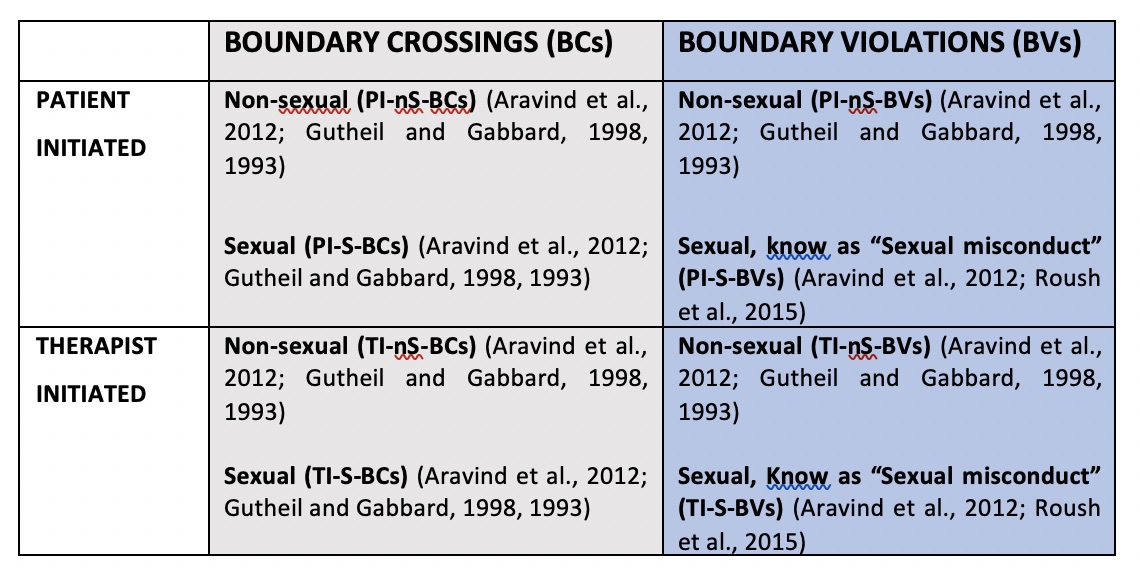
    Given the nature of their professional role, physiotherapists tend to establish an intimate relationship with patients. This condition may rise ethical and professional issues: patients and physical therapists, may less likely aware of the importance of professional boundaries within the therapeutic relationship. As a result, they may lose the ability to recognize the “crossings” of professional boundaries, and counteract the consequences or conversely, they may be themselves the initiators of behaviours that may represent a violation of professional boundaries.

    Methods

    A research project has been structured to explore experiences, attitudes, and behaviours in the field of sexual crossings and violations of professional boundaries in the population of Italian physiotherapists and students. The entire project has been structured into two lines of research concerning:1) physiotherapy students;2) licensed physiotherapists. For this degree Thesis, the first phase of the research line concerning students is described. This step involves the writing of a research protocol regarding a cross-sectional observational study in which has been investigated the prevalence of patient-initiated sexual crossings and violations and the strategies that students used to manage any infractions that may have occurred. It has also been reported the results of the pilot study that was conducted on a convenience sample of 16 students with the purpose of 1) testing the feasibility of the designed cross-sectional study and 2) obtaining feedback from participants regarding the questionnaire developed. The survey was administered using the Survey Monkey online tool.

    Results

    A sample of 16 participants was recruited from students in the second and third year of the Bachelor in Physiotherapy at the University of Florence (Italy). Given the low sample size, only a descriptive statistical analysis was performed. The Response Rate of the questionnaire on sexual violations of professional boundaries was n = 12 out of 16, 75%. All participants who completed the evaluation and feedback questionnaire (n = 10 out of 16, 62,5%) took less than 15 minutes to complete the boundary violation questionnaire and all of them (n = 10 out of 10, 100%) reported agreement on the clarity, comprehensibility and appropriateness of the proposed questions concerning the study’s purpose of inquiry. Seven out of twelve subjects who completed the questionnaire on sexual violations of professional boundaries (n = 7 out of 12, 58.33%) reported having experienced at least once in their academic careers a sexual violation of professional boundaries initiated by their patients. Only 25% of the participants (n = 3 out of 12, 25%) reported that they had received training on the topic of professional boundaries of a sexual nature. The entire sample of students (n = 12 out of 12, 100%) would find useful for their professional careers to conduct specific training in this regard.

    Discussion and Conclusion

    The pilot study conducted represented the first step in the entire planned research project and confirmed the feasibility and relevance of the instrument to be used concerning the phenomenon under study. In line with the existing literature, these preliminary data show a considerable prevalence of sexual violations of professional boundaries initiated by patients to physiotherapy students. These results point to deepening the issue of professional boundary violation on a larger sample of students through the cross-sectional observational study whose protocol was presented.

    REFERENCES

    AIFI, 2011. Codice Deontologico | A.I.FI. [WWW Document]. https://aifi.net/. URL https://aifi.net/professione/codice-deontologico/ (accessed 1.21.24).

    Amanulla, S., Saju, I., Solé, S., Campoy, C., Martínez, L., Pérez-Yus, M.C., Sitjà-Rabert, M., Serrat, M., Bravo, C., Lo, K., 2021. Inappropriate Patient Sexual Behavior in Physiotherapy: A Systematic Review. Sustainability 13, 13876. https://doi.org/10.3390/su132413876

    Ang, A.Y.-C., DipPhys, I.C.G., DipPhys, S.J.G., 2010. Sexual professional boundaries: physiotherapy students’ experiences and opinions 38.

    APTA, 2019. Standards of Ethical Conduct for the Physical Therapist Assistant [WWW Document]. URL https://www.apta.org/apta-and-you/leadership-and-governance/policies/standards-of-ethical-conduct-for-the-physical-therapist-assistant (accessed 1.15.24).

    Aravind, V.K., Krishnaram, V.D., Thasneem, Z., 2012. Boundary Crossings and Violations in Clinical Settings. Indian J Psychol Med 34, 21–24. https://doi.org/10.4103/0253-7176.96151

    Boissonnault, J.S., Cambier, Z., Hetzel, S.J., 2019. Inappropriate Patient Sexual Behavior When Working in Sensitive Areas of the Body: Results From a National Physical Therapy Survey. The Journal of Women’s & Pelvic Health Physical Therapy 43, 36. https://doi.org/10.1097/JWH.0000000000000118

    Boissonnault, J.S., Cambier, Z., Hetzel, S.J., Plack, M.M., 2017. Prevalence and Risk of Inappropriate Sexual Behavior of Patients Toward Physical Therapist Clinicians and Students in the United States. Physical Therapy 97, 1084–1093. https://doi.org/10.1093/ptj/pzx086

    Bowen, E., Nayfe, R., Milburn, N., Mayo, H., Reid, M.C., Fraenkel, L., Weiner, D., Halm, E.A., Makris, U.E., 2020. Do Decision Aids Benefit Patients with Chronic Musculoskeletal Pain? A Systematic Review. Pain Med 21, 951–969. https://doi.org/10.1093/pm/pnz280

    Bütow-Dûtoit, L., Eksteen, C.A., De Waal, M., Owen, J.H., 2006. Sexual harassment of the physiotherapist in South Africa. South African Journal of Physiotherapy 62, 9–12. https://doi.org/10.4102/sajp.v62i4.160

    Cambier, Z., 2013. Preparing New Clinicians to Identify, Understand, and Address Inappropriate Patient Sexual Behavior in the Clinical Environment: Journal of Physical Therapy Education 27, 7–14. https://doi.org/10.1097/00001416-201301000-00003

    Cambier, Z., Boissonnault, J.S., Hetzel, S.J., Plack, M.M., 2018. Physical Therapist, Physical Therapist Assistant, and Student Response to Inappropriate Patient Sexual Behavior: Results of a National Survey. Physical Therapy 98, 804–814. https://doi.org/10.1093/ptj/pzy067

    Caneiro, J.P., Bunzli, S., O’Sullivan, P., 2021. Beliefs about the body and pain: the critical role in musculoskeletal pain management. Braz J Phys Ther 25, 17–29. https://doi.org/10.1016/j.bjpt.2020.06.003

    Celenza, 2007. Sexual Boundary Violations: Therapeutic, Academic, and Supervisory Contexts [WWW Document]. URL https://www.andreacelenza.com/sexual-boundary-violations-therapeutic-academic-and-supervisory-contexts/ (accessed 2.19.24).

    College of Psychologist of Ontario, 2024. Professional Boundaries in Health-Care Relationships – CPO Public. URL https://cpo.on.ca/cpo_resources/professional-boundaries-in-health-care-relationships/ (accessed 1.20.24).

    Cooper, I., Jenkins, S., 2008. Sexual boundaries between physiotherapists and patients are not perceived clearly: an observational study. Australian Journal of Physiotherapy 54, 275–279. https://doi.org/10.1016/S0004-9514(08)70007-2

    Cooper, I., Jones, A., Jenkins, S., 2010. Professional sexual boundaries—Asian and Western perception: An observational study. Hong Kong Physiotherapy Journal 28, 2–10. https://doi.org/10.1016/j.hkpj.2010.11.003

    Cullen, R.M., 1996. Sexual contact in the professional relationship : the 1996 survey of NZSP members [WWW Document]. New Zealand journal of physiotherapy,NZ journal of physiotherapy Aug 1997; v.25 n.2:p.7-9; issn: URL https://natlib.govt.nz/records/21056446 (accessed 1.15.24).

    Cummings, N., 1992. Self-defense training for college women. J Am Coll Health 40, 183–188. https://doi.org/10.1080/07448481.1992.9936280

    de leeuw, E., Hox, J., Dillman, D., 2008. International Handbook Of Survey Methodology (2008).

    deMayo, R.A., 1997. Patient Sexual Behaviors and Sexual Harassment: A National Survey of Physical Therapists. Physical Therapy 77, 739–744. https://doi.org/10.1093/ptj/77.7.739

    Eysenbach, G., 2004a. Tackling Publication Bias and Selective Reporting in Health Informatics Research: Register your eHealth Trials in the International eHealth Studies Registry. J Med Internet Res 6, e35. https://doi.org/10.2196/jmir.6.3.e35

    Eysenbach, G., 2004b. Improving the Quality of Web Surveys: The Checklist for Reporting Results of Internet E-Surveys (CHERRIES). Journal of Medical Internet Research 6, e132. https://doi.org/10.2196/jmir.6.3.e34

    Fitzgerald, L.F., Shullman, S.L., Bailey, N., Richards, M., Swecker, J., Gold, Y., Ormerod, M., Weitzman, L., 1988. The incidence and dimensions of sexual harassment in academia and the workplace. Journal of Vocational Behavior 32, 152–175. https://doi.org/10.1016/0001-8791(88)90012-7

    Garfinkel, P.E., Dorian, B., Sadavoy, J., Bagby, R.M., 1997. Boundary violations and departments of psychiatry. Can J Psychiatry 42, 764–770. https://doi.org/10.1177/070674379704200710

    Geri, T., Viceconti, A., Minacci, M., Testa, M., Rossettini, G., 2019. Manual therapy: Exploiting the role of human touch. Musculoskelet Sci Pract 44, 102044. https://doi.org/10.1016/j.msksp.2019.07.008

    Glass, L.L., 2003. The gray areas of boundary crossings and violations. Am J Psychother 57, 429–444. https://doi.org/10.1176/appi.psychotherapy.2003.57.4.429

    Grieco, A., 1987. Scope and nature of sexual harassment in nursing. Journal of Sex Research 23, 261–266. https://doi.org/10.1080/00224498709551362

    Gutheil, T.G., Gabbard, G.O., 1998. Misuses and misunderstandings of boundary theory in clinical and regulatory settings. Am J Psychiatry 155, 409–414. https://doi.org/10.1176/ajp.155.3.409

    Gutheil, T.G., Gabbard, G.O., 1993. The concept of boundaries in clinical practice: theoretical and risk-management dimensions. Am J Psychiatry 150, 188–196. https://doi.org/10.1176/ajp.150.2.188

    Harvie, D.S., Meulders, A., Madden, V.J., Hillier, S.L., Peto, D.K., Brinkworth, R., Moseley, G.L., 2016. When touch predicts pain: predictive tactile cues modulate perceived intensity of painful stimulation independent of expectancy. Scand J Pain 11, 11–18. https://doi.org/10.1016/j.sjpain.2015.09.007

    Higgs, J., Refshauge, K., Ellis, E., 2001. Portrait of the physiotherapy profession. J Interprof Care 15, 79–89. https://doi.org/10.1080/13561820020022891

    Hiller, A., Guillemin, M., Delany, C., 2015. Exploring healthcare communication models in private physiotherapy practice. Patient Educ Couns 98, 1222–1228. https://doi.org/10.1016/j.pec.2015.07.029

    Hoffmann, T., Bakhit, M., Michaleff, Z., 2022. Shared decision making and physical therapy: What, when, how, and why? Braz J Phys Ther 26, 100382. https://doi.org/10.1016/j.bjpt.2021.100382

    Hotelling, K., 1991. Sexual harassment: A problem shielded by silence. Journal of Counseling & Development 69, 497–501. https://doi.org/10.1002/j.1556-6676.1991.tb02631.x

    Johnson, C., Knight, C., Alderman, N., 2006. Challenges associated with the definition and assessment of inappropriate sexual behaviour amongst individuals with an acquired neurological impairment. Brain Inj 20, 687–693. https://doi.org/10.1080/02699050600744137

    Jorgenson, L.M., Hirsch, A.B., Wahl, K.M., 1997. Fiduciary duty and boundaries: Acting in the client’s best interest. Behavioral Sciences & the Law 15, 49–62. https://doi.org/10.1002/(SICI)1099-0798(199724)15:1<49::AID-BSL253>3.0.CO;2-X

    Knapp, S., Slattery, J.M., 2004. Professional Boundaries in Nontraditional Settings. Professional Psychology: Research and Practice 35, 553–558. https://doi.org/10.1037/0735-7028.35.5.553

    Lehmann, 2019. Combatting Sexual Harassment and Inappropriate Patient Sexual Behavior [WWW Document]. APTA. URL https://www.apta.org/apta-magazine/2019/02/01/combatting-sexual-harassment-and-inappropriate-patient-sexual-behavior (accessed 2.19.24).

    Lin, I., Wiles, L., Waller, R., Caneiro, J.P., Nagree, Y., Straker, L., Maher, C.G., O’Sullivan, P.P.B., 2020. Patient-centred care: the cornerstone for high-value musculoskeletal pain management. Br J Sports Med 54, 1240–1242. https://doi.org/10.1136/bjsports-2019-101918

    McComas, J., Hébert, C., Giacomin, C., Kaplan, D., Dulberg, C., 1993. Experiences of Student and Practicing Physical Therapists With Inappropriate Patient Sexual Behavior. Physical Therapy 73, 762–769. https://doi.org/10.1093/ptj/73.11.762

    McComas, J., Kaplan, D., Giacomin, C., 1995. Inappropriate patient sexual behaviour in physiotherapy practice: a qualitative analysis of questionnaire comments. Physiother Can 47, 127–133.

    McParlin, Z., Cerritelli, F., Rossettini, G., Friston, K.J., Esteves, J.E., 2022. Therapeutic Alliance as Active Inference: The Role of Therapeutic Touch and Biobehavioural Synchrony in Musculoskeletal Care. Front Behav Neurosci 16, 897247. https://doi.org/10.3389/fnbeh.2022.897247

    Miciak, M., Mayan, M., Brown, C., Joyce, A.S., Gross, D.P., 2019. A framework for establishing connections in physiotherapy practice. Physiotherapy Theory and Practice 35, 40–56. https://doi.org/10.1080/09593985.2018.1434707

    NCSBN, 1998. A Nurse’s Guide to Professional Boundaries [WWW Document]. NCSBN. URL https://www.ncsbn.org/brochures-and-posters/a-nurses-guide-to-professional-boundaries (accessed 1.15.24).

    O’Sullivan, V., Weerakoon, P., 1999. Inappropriate sexual behaviours of patients towards practising physiotherapists: a study using qualitative methods. Physiotherapy Res Intl 4, 28–42. https://doi.org/10.1002/pri.1999.4.1.28

    Physiotherapy Board of New Zealand, 2023. Professional boundaries standard [WWW Document]. Mercury IT. URL https://www.physioboard.org.nz/standards/physiotherapy-standards/professional-boundaries-standard (accessed 1.20.24).

    Plaut, S., 2008. Sexual and nonsexual boundaries in professional relationships: Principles and teaching guidelines. Sexual and Relationship Therapy 23, 85–94. https://doi.org/10.1080/14681990701616624

    Pope, K.S., Vasquez, M.J., 2007. Ethics in Psychotherapy and Counseling: A Practical Guide. John Wiley & Sons.

    Poulis, I., 2007. Bioethics and physiotherapy. J Med Ethics 33, 435–436. https://doi.org/10.1136/jme.2007.021139

    RHPA, 1991. Regulated Health Professions Act [WWW Document]. Ontario.ca. URL https://www.ontario.ca/laws/view (accessed 3.15.24).

    Roger, J., Darfour, D., Dham, A., Hickman, O., Shaubach, L., Shepard, K., 2002. Physiotherapists’ use of touch in inpatient settings. Physiother Res Int 7, 170–186. https://doi.org/10.1002/pri.253

    Rondoni, A., Rossettini, G., Ristori, D., Gallo, F., Strobe, M., Giaretta, F., Battistin, A., Testa, M., 2017. Intrarater and Inter-rater Reliability of Active Cervical Range of Motion in Patients With Nonspecific Neck Pain Measured With Technological and Common Use Devices: A Systematic Review With Meta-regression. J Manipulative Physiol Ther 40, 597–608. https://doi.org/10.1016/j.jmpt.2017.07.002

    Roush, S.E., Cox, K., Garlick, J., Kane, M., Marchand, L., 2015. Physical therapists’ perceptions of sexual boundaries in clinical practice in the United States. Physiotherapy Theory and Practice 31, 327–336. https://doi.org/10.3109/09593985.2014.1003420

    Sanbar et al., A., 2007. The Medical Malpractice Survival Handbook.

    Soundy, A., Stubbs, B., Jenkins, S., Cooper, I., 2013. Sexual professional boundaries perceived by undergraduate and graduate physiotherapists: A cross sectional survey. Physiotherapy 99, 298–304. https://doi.org/10.1016/j.physio.2012.12.005

    SurveyMonkey, 2024. SurveyMonkey: lo strumento di indagine on-line gratuito più popolare al mondo [WWW Document]. SurveyMonkey. URL https://it.surveymonkey.com/ (accessed 2.24.24).

    Tangri, S.S., Burt, M.R., Johnson, L.B., 1982. Sexual harassment at work: Three explanatory models. Journal of Social Issues 38, 33–54. https://doi.org/10.1111/j.1540-4560.1982.tb01909.x

    TSRM PSTRP, 2021. Costituzione-etica-FNO-TSRM-e-PSTRP-def.pdf [WWW Document]. URL https://www.tsrm-pstrp.org/wp-content/uploads/2021/11/Costituzione-etica-FNO-TSRM-e-PSTRP-def.pdf (accessed 1.21.24).

    University of Manitoba, 1988. Sexual Harassment Questionnaire.

    von Elm, E., Altman, D.G., Egger, M., Pocock, S.J., Gøtzsche, P.C., Vandenbroucke, J.P., STROBE Initiative, 2014. The Strengthening the Reporting of Observational Studies in Epidemiology (STROBE) Statement: guidelines for reporting observational studies. Int J Surg 12, 1495–1499. https://doi.org/10.1016/j.ijsu.2014.07.013

    Walker, S.C., Trotter, P.D., Swaney, W.T., Marshall, A., Mcglone, F.P., 2017. C-tactile afferents: Cutaneous mediators of oxytocin release during affiliative tactile interactions? Neuropeptides 64, 27–38. https://doi.org/10.1016/j.npep.2017.01.001

    Weerakoon, P., O’Sullivan, V., 1998. Inappropriate Patient Sexual Behaviour in Physiotherapy Practice. Physiotherapy 84, 491–499. https://doi.org/10.1016/S0031-9406(05)65869-5
    WHO, 2002. ICF Beginner’s Guide: Towards a Common Language for Functioning, Disability and Health [WWW Document]. URL https://www.who.int/publications/m/item/icf-beginner-s-guide-towards-a-common-language-for-functioning-disability-and-health (accessed 3.29.24).


    BIBLIOGRAFIA


    AIFI, 2011. Codice Deontologico | A.I.FI. [WWW Document]. https://aifi.net/. URL https://aifi.net/professione/codice-deontologico/ (accessed 1.21.24).

    Amanulla, S., Saju, I., Solé, S., Campoy, C., Martínez, L., Pérez-Yus, M.C., Sitjà-Rabert, M., Serrat, M., Bravo, C., Lo, K., 2021. Inappropriate Patient Sexual Behavior in Physiotherapy: A Systematic Review. Sustainability 13, 13876. https://doi.org/10.3390/su132413876

    Ang, A.Y.-C., DipPhys, I.C.G., DipPhys, S.J.G., 2010. Sexual professional boundaries: physiotherapy students’ experiences and opinions 38.

    APTA, 2019. Standards of Ethical Conduct for the Physical Therapist Assistant [WWW Document]. URL https://www.apta.org/apta-and-you/leadership-and-governance/policies/standards-of-ethical-conduct-for-the-physical-therapist-assistant (accessed 1.15.24).

    Aravind, V.K., Krishnaram, V.D., Thasneem, Z., 2012. Boundary Crossings and Violations in Clinical Settings. Indian J Psychol Med 34, 21–24. https://doi.org/10.4103/0253-7176.96151

    Boissonnault, J.S., Cambier, Z., Hetzel, S.J., 2019. Inappropriate Patient Sexual Behavior When Working in Sensitive Areas of the Body: Results From a National Physical Therapy Survey. The Journal of Women’s & Pelvic Health Physical Therapy 43, 36. https://doi.org/10.1097/JWH.0000000000000118

    Boissonnault, J.S., Cambier, Z., Hetzel, S.J., Plack, M.M., 2017. Prevalence and Risk of Inappropriate Sexual Behavior of Patients Toward Physical Therapist Clinicians and Students in the United States. Physical Therapy 97, 1084–1093. https://doi.org/10.1093/ptj/pzx086

    Bowen, E., Nayfe, R., Milburn, N., Mayo, H., Reid, M.C., Fraenkel, L., Weiner, D., Halm, E.A., Makris, U.E., 2020. Do Decision Aids Benefit Patients with Chronic Musculoskeletal Pain? A Systematic Review. Pain Med 21, 951–969. https://doi.org/10.1093/pm/pnz280

    Cambier, Z., 2013. Preparing New Clinicians to Identify, Understand, and Address Inappropriate Patient Sexual Behavior in the Clinical Environment: Journal of Physical Therapy Education 27, 7–14. https://doi.org/10.1097/00001416-201301000-00003

    Cambier, Z., Boissonnault, J.S., Hetzel, S.J., Plack, M.M., 2018. Physical Therapist, Physical Therapist Assistant, and Student Response to Inappropriate Patient Sexual Behavior: Results of a National Survey. Physical Therapy 98, 804–814. https://doi.org/10.1093/ptj/pzy067

    College of Psychologist of Ontario, 2024. Professional Boundaries in Health-Care Relationships – CPO Public. URL https://cpo.on.ca/cpo_resources/professional-boundaries-in-health-care-relationships/ (accessed 1.20.24).

    Cooper, I., Jenkins, S., 2008. Sexual boundaries between physiotherapists and patients are not perceived clearly: an observational study. Australian Journal of Physiotherapy 54, 275–279. https://doi.org/10.1016/S0004-9514(08)70007-2

    Cooper, I., Jones, A., Jenkins, S., 2010. Professional sexual boundaries—Asian and Western perception: An observational study. Hong Kong Physiotherapy Journal 28, 2–10. https://doi.org/10.1016/j.hkpj.2010.11.003

    Cullen, R.M., 1996. Sexual contact in the professional relationship : the 1996 survey of NZSP members [WWW Document]. New Zealand journal of physiotherapy,NZ journal of physiotherapy Aug 1997; v.25 n.2:p.7-9; issn: URL https://natlib.govt.nz/records/21056446 (accessed 1.15.24).

    deMayo, R.A., 1997. Patient Sexual Behaviors and Sexual Harassment: A National Survey of Physical Therapists. Physical Therapy 77, 739–744. https://doi.org/10.1093/ptj/77.7.739

    Geri, T., Viceconti, A., Minacci, M., Testa, M., Rossettini, G., 2019. Manual therapy: Exploiting the role of human touch. Musculoskelet Sci Pract 44, 102044. https://doi.org/10.1016/j.msksp.2019.07.008

    Glass, L.L., 2003. The gray areas of boundary crossings and violations. Am J Psychother 57, 429–444. https://doi.org/10.1176/appi.psychotherapy.2003.57.4.429

    Gutheil, T.G., Gabbard, G.O., 1998. Misuses and misunderstandings of boundary theory in clinical and regulatory settings. Am J Psychiatry 155, 409–414. https://doi.org/10.1176/ajp.155.3.409

    Gutheil, T.G., Gabbard, G.O., 1993. The concept of boundaries in clinical practice: theoretical and risk-management dimensions. Am J Psychiatry 150, 188–196. https://doi.org/10.1176/ajp.150.2.188

    Higgs, J., Refshauge, K., Ellis, E., 2001. Portrait of the physiotherapy profession. J Interprof Care 15, 79–89. https://doi.org/10.1080/13561820020022891

    McComas, J., Hébert, C., Giacomin, C., Kaplan, D., Dulberg, C., 1993. Experiences of Student and Practicing Physical Therapists With Inappropriate Patient Sexual Behavior. Physical Therapy 73, 762–769. https://doi.org/10.1093/ptj/73.11.762

    McComas, J., Kaplan, D., Giacomin, C., 1995. Inappropriate patient sexual behaviour in physiotherapy practice: a qualitative analysis of questionnaire comments. Physiother Can 47, 127–133.

    O’Sullivan, V., Weerakoon, P., 1999. Inappropriate sexual behaviours of patients towards practising physiotherapists: a study using qualitative methods. Physiotherapy Res Intl 4, 28–42. https://doi.org/10.1002/pri.1999.4.1.28

    Physiotherapy Board of New Zealand, 2023. Professional boundaries standard [WWW Document]. Mercury IT. URL https://www.physioboard.org.nz/standards/physiotherapy-standards/professional-boundaries-standard (accessed 1.20.24).

    Plaut, S., 2008. Sexual and nonsexual boundaries in professional relationships: Principles and teaching guidelines. Sexual and Relationship Therapy 23, 85–94. https://doi.org/10.1080/14681990701616624

    Pope, K.S., Vasquez, M.J., 2007. Ethics in Psychotherapy and Counseling: A Practical Guide. John Wiley & Sons.

    Poulis, I., 2007. Bioethics and physiotherapy. J Med Ethics 33, 435–436. https://doi.org/10.1136/jme.2007.021139

    Roush, S.E., Cox, K., Garlick, J., Kane, M., Marchand, L., 2015. Physical therapists’ perceptions of sexual boundaries in clinical practice in the United States. Physiotherapy Theory and Practice 31, 327–336. https://doi.org/10.3109/09593985.2014.1003420

    Soundy, A., Stubbs, B., Jenkins, S., Cooper, I., 2013. Sexual professional boundaries perceived by undergraduate and graduate physiotherapists: A cross sectional survey. Physiotherapy 99, 298–304. https://doi.org/10.1016/j.physio.2012.12.005

    TSRM PSTRP, 2021. Costituzione-etica-FNO-TSRM-e-PSTRP-def.pdf [WWW Document]. URL https://www.tsrm-pstrp.org/wp-content/uploads/2021/11/Costituzione-etica-FNO-TSRM-e-PSTRP-def.pdf (accessed 1.21.24).

    Weerakoon, P., O’Sullivan, V., 1998. Inappropriate Patient Sexual Behaviour in Physiotherapy Practice. Physiotherapy 84, 491–499. https://doi.org/10.1016/S0031-9406(05)65869-5
  • Il valore prognostico dello stile di vita nelle patologie vestibolari

    Il valore prognostico dello stile di vita nelle patologie vestibolari

    The Prognostic Value of Lifestyle in Vestibular Disorders

    Autori

    Mariani Caterina Emma (Milan, Italy)

    Lolli Lara Rita (Milan, Italy)

    Introduction

    Every year, about 20% of the population experiences a sensation of instability, mostly caused by otological issues. Central vertigo results from a lesion in the vestibular pathways at the level of the brainstem nuclei, the cerebellum, the thalamus, or the cortex, and is associated with neurological deficits. In peripheral vertigo, nausea and vomiting are usually the predominant symptoms, while balance deficits are less severe. All these conditions cause various disturbances for patients, limiting their social participation and daily activities, mainly due to the high risk of falling. Therefore, it is crucial in a rehabilitation program to consider the factors associated with different pathologies for a comprehensive approach and better functional outcomes for the patient.

    Methods

    This research aims to identify the factors, both modifiable and non-modifiable, that define the lifestyle of individuals who develop a vestibular disorder, which may have contributed to the onset of the disease or its more-or-less favorable resolution. Recognizing the environmental and lifestyle factors responsible for these changes can lead to the development of strategies to reduce the number of new cases. 

    The review includes studies conducted on adults (>18 years) between 2003 and 2023. Two search strings were created based on the PEO to use in the PubMed and Google Scholar databases, yielding 29 articles compatible with the inclusion criteria. The identified articles were screened, and relevant full texts were assessed for the risk of bias using the AMSTAR 2 scale for secondary studies, PeDRO for randomized controlled trials, CASP for cohort studies, and JBI for cross-sectional studies.

    Results

    The article analysis revealed that certain lifestyle elements influence the onset and prognosis of vestibular disorders. Psychological disorders and coping strategies, diet and allergies, physical activity, fear of movement, BMI, and some chronic comorbidities such as diabetes, hypertension, and osteoporosis are all factors to consider in the context of a vestibular disorder.

    Discussion and Conclusion

    It is necessary to further investigate in this direction to define the impact of certain aspects more objectively in this field and the underlying mechanisms. In any case, recognizing the contribution of environmental factors and lifestyle in general to the development or prognosis of vestibular disorders can open new rehabilitation horizons. This approach could foster collaboration among different professionals for a comprehensive management of these individuals.

    REFERENCES

    1. Beh SC et al. Vestibular Migraine: How to Sort it Out and What to Do about it.
    2. von Brevern M et al. Vestibular migraine.
    3. Dunlap PM et al. Vestibular rehabilitation: Advances in peripheral and central vestibular disorders.
    4. Eleftheriadou A et al. Vestibular rehabilitation strategies and factors that affect the outcome. 
    5. Espinosa-Sanchez JM et al. Menière’s disease.
    6. Iwasaki S et al. Diagnostic and therapeutic strategies for Meniere’s disease of the Japan Society for Equilibrium Research.
    7. Koukoulithras I et al. A Holistic Approach to a Dizzy Patient: A Practical Update. 
    8. Kutz JW et al. The dizzy patient. 
    9. Lakhani AFB et al. Benign Paroxysmal Postural Vertigo (BPPV): A Review.
    10. Li M et al. Vestibular migraine: the chameleon in vestibular disease. 
    11. Luxon LM et al. Evaluation and management of the dizzy patient.
    12. Neuhauser HK et al. The epidemiology of dizziness and vertigo. 
    13. Parham K et al. Benign Paroxysmal Positional Vertigo: An Integrated Perspective.
    14. Perez-Carpena P et al. Current Understanding and Clinical Management of Meniere’s Disease: A Systematic Review.
    15. Sfakianaki I et al. Risk Factors for Recurrence of Benign Paroxysmal Positional Vertigo. A Clinical Review.
    16. Smyth D et al. Vestibular migraine treatment: a comprehensive practical review.
    17. Staab JP et al. Psychiatric Considerations in the Management of Dizzy Patients. 
    18. Whitney SL et al. An overview of vestibular rehabilitation.
    19. Whitney SL et al. Physical Therapy Principles in Rehabilitation. 
    20. Whitney SL et al. Vestibular Rehabilitation and Factors That Can Affect Outcome.
    21. Zhou F et al. Global trends in the research on benign paroxysmal positional vertigo: A 20-year bibliometric and visualization analysis.
    22. Balikci HH et al. Effects of postural restriction after modified Epley maneuver on recurrence of benign paroxysmal positional vertigo.
    23. Dornhoffer JR et al. Factors implicated in response to treatment/prognosis of vestibular migraine. 
    24. Dunlap PM et al. Fear avoidance beliefs are associated with perceived disability in persons with vestibular disorders.
    25. Hanskamp LAJ et al. Long-term Prognosis of Vertigo Attacks and Health-related Quality of Life Limitations in Patients With Vestibular Paroxysmia.
    26. Tschan R et al. Patients’ psychological well-being and resilient coping protect from secondary somatoform vertigo and dizziness (SVD) 1 year after vestibular disease.
    27. Tschan R et al. Persistence of symptoms in primary somatoform vertigo and dizziness: A disorder «lost» in health care?
    28. Wada M et al. Correlation between arteriosclerotic changes and prognosis in patients with peripheral vestibular disorders.
    29. Xing J et al. [Effect of body mass index on efficacy of the repositioning procedure for horizontal canal benign paroxysmal positional vertigo].
  • Educazione individuale del paziente con mal di schiena cronico: una revisione sistematica con metanalisi di trials clinici randomizzati controllati

    Educazione individuale del paziente con mal di schiena cronico: una revisione sistematica con metanalisi di trials clinici randomizzati controllati

    Individual patient education for patients with chronic low back pain: a systematic review with meta-analysis of randomised controlled trials

    Autori

    Piano Leonardo [Fondazione dei Santi Lorenzo e Teobaldo, Rodello, Italy & School of Physiotherapy, University of Turin School of Medicine, Turin, Italy]

    Lorenzo Benzi [School of Physiotherapy, University of Turin School of Medicine, Turin, Italy]

    Paolo Audasso [School of Physiotherapy, University of Turin School of Medicine, Turin, Italy]

    Adele Occhionero [School of Physiotherapy, University of Turin School of Medicine, Turin, Italy]

    Marco Trucco [School of Physiotherapy, University of Turin School of Medicine, Turin, Italy]

    Raymond Ostelo, Department of Health Sciences, Faculty of Science, Vrije University Amsterdam, the Netherlands & Department of Epidemiology and Data Science, Amsterdam University Medical Centre, Location Vrije Universiteit; Amsterdam, the Netherlands]

    Alessandro Chiarotto [Department of General Practice, Erasmus MC, University Medical Center, Rotterdam, the Netherlands]

    Introduction

    Chronic low back pain (CLBP) is one of the most burdensome conditions with huge impact on the health systems worldwide.(1), Patient education is one of the treatment options often recommended by clinical guidelines(2,3) to improve clinical outcomes (e.g pain, disability), and psychosocial issues (e.g. self-efficacy, reassurance).

    The current evidence regarding patient education remains unclear. Therefore we aimed to investigate the effectiveness on core outcomes of individual patient education in patients with CLBP, compared to no intervention, placebo, non-educational interventions, or other type of education.

    Methods

    We performed a systematic review with meta-analysis of randomized controlled trials (RCTs) and reported following the PRISMA guidelines.(4) We searched PubMed, CINAHL, PEDro, Embase, and Scopus from inception to 14 January 2024; citation tracking was performed in Web of Science; grey literature and reference lists of previous systematic reviews were also searched. We performed meta-analysis for clinically homogeneous RCTs using random effects.  We used the Cochrane Back and Neck group criteria to assess risk of bias and the GRADE approach to evaluate the certainty of evidence for each meta-analysis.(5,6) We focused on three time points: short term (i.e. 3 months), medium term (6 months), long term (12 months) follow-ups.

    Results

    We included 17 RCTs (n=1893). There was high certainty evidence that individual patient education was clinically superior to non-educational intervention on long term disability (SMD -0.23, 95%CI -0.43 to -0.03, I2=0%). There was moderate certainty evidence that individual patient education was not superior to non-educational intervention on pain (SMD -0.01, 95%CI -0.23 to 0.21, I2=42%) and disability (SMD 0.07, 95%CI -0.27 to 0.40, I2=74%), at medium-term. No between-group differences were found on the other outcomes at any follow up, regardless the type of comparison (e.g. no intervention, placebo, non-educational interventions); the certainty of evidence ranged from very low to high.

    Discussion and Conclusion

    We found high certainty evidence that individual patient education was superior to non-educational intervention on long-term disability (although without a clinical relevance), and from moderate to high certainty evidence that individual patient education was not superior to non-educational intervention on pain and disability at any follow up. Our findings suggest that education should not be intended as a standalone treatment but a component of a multimodal intervention strategy aimed to definitively improve health status, patient’s attitude and coping ability to manage the condition. Future large and high quality studies are needed to elevate the certainty evidence which is suboptimal for most comparison and outcomes.

    REFERENCES

    1. Ferreira ML et al. Global, regional, and national burden of low back pain, 1990–2020, its attributable risk factors, and projections to 2050: a systematic analysis of the Global Burden of Disease Study 2021. Lancet Rheumatol. 2023 Jun 1;5(6):e316–29.
    2. WHO guideline for non-surgical management of chronic primary low back pain in adults in primary and community care settings
    3. Oliveira et al. Clinical practice guidelines for the management of non-specific low back pain in primary care: an updated overview. Eur Spine J Off Publ Eur Spine Soc Eur Spinal Deform Soc Eur Sect Cerv Spine Res Soc
    4. Page MJ et al. The PRISMA 2020 statement: an updated guideline for reporting systematic reviews. BMJ. 2021 Mar 29;372:n71.
    5. Guyatt GH et al. GRADE: an emerging consensus on rating quality of evidence and strength of recommendations. BMJ. 2008 Apr 26;336(7650):924–6.
    6. Furlan AD et al. 2015 Updated Method Guideline for Systematic Reviews in the Cochrane Back and Neck Group. Spine. 2015 Nov;40(21):1660–73.
  • Sexual Disability in Low Back Pain: Diagnostic and Therapeutic Framework for Physical Therapists

    Sexual Disability in Low Back Pain: Diagnostic and Therapeutic Framework for Physical Therapists

    Sexual Disability in Low Back Pain: Diagnostic and Therapeutic Framework for Physical Therapists

    Sexual Disability in Low Back Pain: Diagnostic and Therapeutic Framework for Physical Therapists

    Autori

    Vanti Carla (DIBINEM – Bologna, Italy)

    Ferrari Silvano

    Chiodini Marco

    Olivoni Cesare

    Bortolami Arianna

    Pillastrini Paolo (DIBINEM – Bologna, Italy)

    Introduction

    The literature shows a relationship between low back pain (LBP) and sexual activity. The aim of this work is to provide a theoretical framework and practical proposal for the management of sexual disability in individuals with LBP.

    Methods

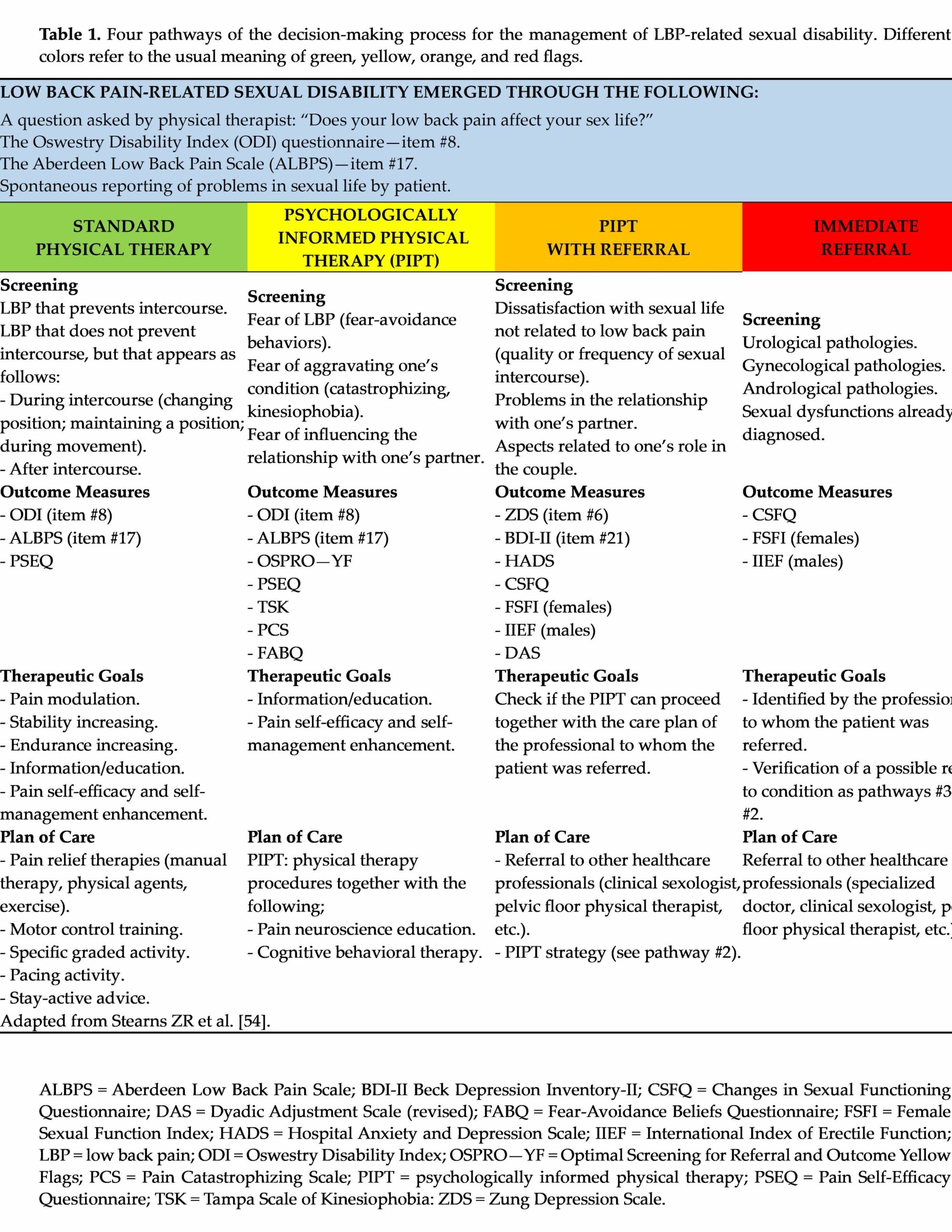
    Based on a literature review, a team of specialized physical therapists developed a pattern for the management of LBP-related sexual disability.

    Results

    A patient reporting LBP-related sexual disability may be included in one of four clinical decision-making pathways corresponding to one of the following: #1 standard physical therapy (PT); #2 psychologically informed physical therapy (PIPT); #3 PIPT with referral; or #4 immediate referral. Standard PT concerns the management of LBP-related sexual disability in the absence of psychosocial or pathological issues. It includes strategies for pain modulation, stiffness management, motor control, stabilization, functional training, pacing activities comprising education, and stay-active advice. PIPT refers to patients with yellow flags or concerns about their relationship with partners; this treatment is oriented towards a specific psychological approach. “PIPT with referral” and “Immediate referral” pathways concern patients needing to be referred to specialists in other fields due to relationship problems or conditions requiring medical management or pelvic floor or sexual rehabilitation.

    Discussion and Conclusion

    The proposed framework can help clinicians properly manage patients with LBP-related sexual disability.

    REFERENCES

    • Giami, Sexual health: The emergence, development, and diversity of a concept. Annu. Rev. Sex Res. 2002, 13, 1–35.
    • World Association for Sexual Health. Declaration of Sexual Rights. 2014.
    • Ferrari et al. Low back pain and sexual disability from the patient’s perspective: A qualitative study. Disabil. Rehabil. 2022, 44, 2011–2019.
    • Ferrari et al. Sexual disability in patients with chronic non-specific low back pain-a multicenter retrospective analysis. J. Phys. Ther. Sci. 2019, 31, 360–365.
    • Sidorkewicz, ; McGill, S.M. Male spine motion during coitus: Implications for the low back pain patient. Spine 2014, 39, 1633–1639.
    • Sidorkewicz, ; McGill, S.M. Documenting female spine motion during coitus with a commentary on the implications for the low back pain patient. Eur. Spine J. 2015, 24, 513–520.
    • Stearns, Z.R. et al. Screening for Yellow Flags in Orthopaedic Physical Therapy: A Clinical Framework. J. Orthop. Sports Phys. Ther. 2021, 51, 459–469.
  • La Pain Neuroscience Education è realmente efficace nella gestione dei disordini temporomandibolari? Una revisione sistematica della letteratura

    La Pain Neuroscience Education è realmente efficace nella gestione dei disordini temporomandibolari? Una revisione sistematica della letteratura

    Is Pain Neuroscience Education (PNE) really effective in TMDs management? A systematic review

    Autori

    Gondola Veronica [Università degli studi del Molise, Campobasso, Italy]

    Laca Artur [Università degli studi del Molise, Campobasso, Italy]

    Manca Virginia [Università degli studi del Molise, Campobasso, Italy]

    Farella Mattia [Università degli studi del Molise, Campobasso, Italy]

    Cammareri Jessica [Università degli studi del Molise, Campobasso, Italy]

    Pellicciari Leonardo [Università degli studi del Molise, Campobasso, Italy]

    Introduction

    It is well known that chronic musculoskeletal pain conditions, to be managed, need a multimodal approach and, among the possibilities, Pain Neuroscience Education (PNE) is a valid option for managing them[ 1 ]. Time spent on educating and reassuring patients is a significant factor in developing a good degree of adherence and in building therapeutic relationship[ 2 ]. Moreover, PNE increases knowledge of the biology and physiology of pain helping to improve pain catastrophizing, mid-term disability, function, psychosocial factors, pain awareness and kinesiophobia. Although last 20 years-evidence supports PNE as a valid intervention to manage chronic pain conditions, there’s no literature that investigated clearly possible benefits in people with temporomandibular disorders (TMD)[ 4 ]. It is common knowledge that psychosocial and behavioural factors may contribute to onset and perpetuation of TMDs . In fact, it is a misnomer and no longer appropriate to regard TMD solely as a localized orofacial pain condition[ 5 ].

    Methods

    This Systematic Review is based on a predetermined published protocol which was previously registered with PROSPERO(CRD42023432713). Bibliographical research was conducted through electronic databases: general databases (MEDLINE, EMBASE, COCHRANE CENTRAL, WEB OF SCIENCE) and specific databases (PEDro). Reference lists of previous systematic reviews and previous trials done on this topic were examined (hand search) to identify additional papers to be included. Three reviewers independently screened articles for inclusion, extracted data and assessed risk of bias with the revised Cochrane Risk-of-Bias tool for RCTs (RoB 2.0 tool).

    Results

    All studies analyzed PNE compared with other education strategies or with manual therapy and exercise measuring changes in terms of pain reduction, disability related to TMD and psychosocial factors. A total of 3044 records were screened, but only 3 [ 4 ][ 6 ][ 7 ] (230 participants) satisfied the inclusion criteria. All studies showed a decrease in pain intensity, but only two showed a decrease in pain catastrophizing and an increase in pain self efficacy. It should be noted that included studies showed an overall high risk of bias.

    Discussion and Conclusion

    The objective of this SR was to collect the available evidence about dosage and effectiveness of PNE compared to other treatments and define if PNE can be a valid option in terms of reduction of pain intensity and disability in people with TMDs. Several studies claim that pain caused by TMDs could be mediated by central sensitisation mechanisms and clinicians should consider the coexistence of these factors in the diagnosis and management of TMDs. For these reasons, the biopsychosocial approach is considered the most effective. Available data seems to suggest that PNE is effective in reducing pain, in enhancing self-efficacy and decreasing catastrophizing in patients with TMDs but it is impossible to draw firm and reliable conclusions at the moment. We believe that more studies are necessary to support this conclusions.

    REFERENCES

    1. Shala, Rilind et al. “Can we just talk our patients out of pain? Should pain neuroscience education be our only tool?.” The Journal of manual & manipulative therapy 29,1 (2021): 1-3.
    2. American Academy of Orofacial Pain “Orofacial pain: Guidelines for Assessment, Diagnosis and Management. Sixth Edition” 2018; 8: 143-207.
    3. Louw, Adriaan et al. “The effect of neuroscience education on pain, disability, anxiety, and stress in chronic musculoskeletal pain.” Archives of physical medicine and rehabilitation 92,12 (2011): 2041-56.
    4. Aguiar, Aroldo D S et al. “Education-Enhanced Conventional Care versus Conventional Care Alone for Temporomandibular Disorders: A Randomized Controlled Trial.” The journal of pain 24,2 (2023): 251-263.
    5. Slade G, Ohrbach R, Greenspan J, et al. “Painful temporomandibular disorder: decade of discovery from OPPERA studies”. J Dent Res. 2016;95(10):1084–1092.
    6. Gokhale, Amrita et al. “Group pain education is as effective as individual education in patients with chronic temporomandibular disorders.”  J Oral Pathol Med. 2020;49(6):470-475.
    7. Bartley, Emily J et al. “Optimizing resilience in orofacial pain: a randomized controlled pilot study on hope.” Pain reports 4,2 e726. 25 Mar. 2019
  • How should shoulder pain be labeled? The perspective of shoulder experts. A qualitative study

    How should shoulder pain be labeled? The perspective of shoulder experts. A qualitative study

    How should shoulder pain be labeled? The perspective of shoulder experts. A qualitative study

    Autori

    Youssef Saad (Department of Medicine and Health Science “Vincenzo Tiberio”, University of Molise, Campobasso, Italy)

    Giovinazzi Roberta (Department of Medicine and Health Science “Vincenzo Tiberio”, University of Molise, Campobasso, Italy)

    Corciulo Emanuele (Department of Medicine and Health Science “Vincenzo Tiberio”, University of Molise, Campobasso, Italy)

    Cozzo Remo (Department of Medicine and Health Science “Vincenzo Tiberio”, University of Molise, Campobasso, Italy)

    Venditti Francesca Maria Pia (Department of Medicine and Health Science “Vincenzo Tiberio”, University of Molise, Campobasso, Italy)

    Nigro Antonello (Department of Medicine and Health Science “Vincenzo Tiberio”, University of Molise, Campobasso, Italy)

    Giovannico Giuseppe (Department of Medicine and Health Science “Vincenzo Tiberio”, University of Molise, Campobasso, Italy)

    Tamborrino Andrea (Department of Medicine and Health Science “Vincenzo Tiberio”, University of Molise, Campobasso, Italy)

    Introduction

    Purpose: To explore shoulder experts’ perspective about how to label shoulder pain with uncertain etiopathogenesis, that is neither a frozen shoulder, an instability or osteoarthritis.

    Methods

    Semi structured interviews were conducted by two physical therapists. Fourteen international shoulder expert physiotherapists were interviewed online or in-person. The diagnostic labels examined were: subacromial impingement syndrome (SIS), subacromial pain syndrome (SPS), rotator cuff tendinopathy (RCT), rotator cuff related shoulder pain (RCRSP) and non-specific shoulder pain (NSSP). A thematic analysis was conducted through an inductive approach based on the AMEE framework.

    Results

    To date, the most widely used and agreed upon labels by experts seem to be “RCT” and “RCRSP”. All experts recommended abandoning the diagnostic label SIS because it was considered obsolete and related to patient concern. There was also a complete agreement in supporting the inaccuracy of the labels “NSSP” and “SPS” as being generic, misleading and not reliable for the patients.

    Discussion and Conclusion

    This qualitative study underpins the lack of uniformity regarding diagnostic label terminology. Moreover, the physiotherapists who were interviewed expressed their preferences regarding RCT and RCRSP. Probably, it would be more appropriate to abandon the utopian search for the perfect name. We should instead focus on thinking about a patient’s prognostic health profile according to a bio psycho social model.

    REFERENCES

    Del Mar, Chris., Doust, Jenny. & Glasziou, P. Clinical thinking : evidence, communication and decision-making. 127 (2006).
    Croft, P. et al. The science of clinical practice: Disease diagnosis or patient prognosis? Evidence about ‘what is likely to happen’ should
    shape clinical practice. BMC Med 13, (2015).
    Jutel, A. G. & Conrad, P. Putting a Name to it: Diagnosis in contemporary society. Putting a Name to it: Diagnosis in
    Contemporary Society 1–175 (2011)
    Bedson, J., McCarney, R. & Croft, P. Labelling chronic illness in primary care: A good or a bad thing. British Journal of General
    Practice 54, 932–938 (2004).
    Engel, G. L. The need for a new medical model: A challenge for biomedicine. Science (1979) 196, 129–136 (1977).
    Rothstein, J. M. Guide to physical therapist practice: Second edition. Phys Ther 81, 6–597 (2001).
    Aronowitz, R. A. (Robert A. Making sense of illness : science, society, and disease. 267.
    Sims, R., Kazda, L., Michaleff, Z. A., Glasziou, P. & Thomas, R. Consequences of health condition labelling: Protocol for a systematic scoping review. BMJ Open 10, (2020).
    Ludewig, P. M., Lawrence, R. L. & Braman, J. P. What’s in a name? Using movement system diagnoses versus pathoanatomic diagnoses. J Orthop Sports Phys Ther 43, 280–3 (2013).
    Bedson, J. et al. Labelling chronic illness in primary care: a good or a bad thing? The British Journal of General Practice 54, 932 (2004).
    Ogden, J. et al. What’s in a name? An experimental study of patients’ views of the impact and function of a diagnosis. Fam Pract 20, 248–253 (2003).
    Moynihan, R., Doust, J. & Henry, D. Preventing overdiagnosis: How to stop harming the healthy. BMJ (Online) 344, (2012).
    Nickel, B., Barratt, A., Copp, T., Moynihan, R. & McCaffery, K. Words do matter: A systematic review on how different terminology for the same condition influences management preferences. BMJ Open 7, (2017).
    Kale, M. S. & Korenstein, D. Overdiagnosis in primary care: framing the problem and finding solutions. BMJ 362, (2018).
    Miller-Spoto, M. & Gombatto, S. P. Diagnostic labels assigned to patients with orthopedic conditions and the influence of the label on selection of interventions: A qualitative study of orthopaedic clinical specialists. Phys Ther 94, 776–791 (2014).
    Zadro, J. R. et al. How do people perceive different labels for rotator cuff disease? A content analysis of data collected in a randomised controlled experiment. BMJ Open 11, (2021).
    Schellingerhout, J. M., Verhagen, A. P., Thomas, S. & Koes, B. W. Lack of uniformity in diagnostic labeling of shoulder pain: Time for a different approach. Man Ther 13, 478–483 (2008).
    Ristori, D. et al. Towards an integrated clinical framework for patient with shoulder pain. Arch Physiother 8, 7 (2018).

    Lewis, J. & Powell, J. Should We Provide a Clinical Diagnosis for People with Shoulder Pain? Absolutely, Maybe, Never! The Ongoing Clinical Debate Between Leavers and Retainers. New Zealand Journal of Physiotherapy 50, 4–5 (2022).


  • Realtà virtuale immersiva: processi neurofisiologici e nuove prospettive

    Realtà virtuale immersiva: processi neurofisiologici e nuove prospettive

    Immersive virtual reality: neurophysiological processes and new perspectives

    Autori

    Nicola Stefanucci (Università degli Studi di Roma Tor Vergata – IRCCS Fondazione Santa Lucia), Roma, Italia

    Introduction

    The purpose of the review is to frame the potential of Immersive Virtual Reality (VR), regarding the neurophysiological aspects and how they can improve the cognitive and motor aspect of the patient, including these neurological insights, until now fragmented, in an experimental review. A part of the review is dedicated to illustrating the novelties and the limits of VR, which usually consists of an immersive viewer, which can be connected with other items and a computerized interface. The project also proposes to investigate the validity of academic insights already published. This review can inspire future developments of virtual reality as it integrates the brain stimuli provided by virtual reality with numerous pathologies, including imaging technique studies, randomized controlled trials and experimental studies.

    Methods

    The scientific review was conducted between September 2020 and March 2021 across the databases MEDLINE/Pubmed, Google Scholar, PEDro, Cochrane library and literature search. The string search used was (“VR”) AND (“Rehabilitation”) adapting it to different search engines to the names of the pathologies. Studies were selected on the basis of typology with a preference for RCTs, the number of the population sample, the number of citations received and the number of authors who participated in the study. The studies selected are of a comparative nature for most of the pathologies described studies of this type with an unrepresentative population sample were excluded, although some of them are cited due to their experimental nature.

    Results

    Virtual reality can help neural networks reorganize. A VR protocol with BCI and exoskeleton showed partial neurological recovery and subcortical plasticity in patients with lesions, it can divert attention from pain, reducing it, providing an alternative or implementation to anesthetics. VR can induce inflammatory changes by releasing anti-inflammatory cytokines, it can stimulate dopamine production, aiding early Parkinson’s stages, maintaining function, and can reducing L-dopa dependency and can be safe in case of neurological fatigue. VR can help prevent relapse and, in a safe environment, in injured athletes, increases activation in brain areas for visual processing, motor planning and pain. Cybersickness from VR immersion is linked to the vestibulo-autonomic system. VR also improves healthcare communication via medical avatars and is effective in obesity, autism, social isolation, and phobias. Ethical VR use is essential for positive cognitive, emotional, and behavioral changes.

    Discussion and Conclusion

    Based on what could be found, VR stimulates modulation of damaged brain areas, the sense of presence and interactivity engage patients, however physical therapist supervision is necessary to ensures effectiveness, personalizing treatment based on the patient’s experiences and deficits, as well as an evaluation of technological know-how which to promote success and avoid cybersickness. The comfort of the viewers and items should be increased, more RCTs are needed to confirm VR’s effectiveness across conditions and establish therapeutic protocols. There are not enough studies to consider it superior to conventional therapy, but it needs a complementary approach. Ethical use is essential to avoid identity dysphoria and dissociation from reality, ensuring virtual experiences don’t create dangerous false senses of security in real life. It can be hypothesized the usefulness of a personality test before using VR in order to prevent this technique from exacerbating latent pathologies.

    REFERENCES

    Donati A et al., (2016) Long-Term Training with a Brain-Machine Interface- Based Gait Protocol Induces Partial Neurological Recovery in Paraplegic Patients.Sci Rep 6

    Farrer C et al., Modulating the experience of agency: a positron emission tomography study. Neuroimage. 2003 Feb;18

    Gokeler A et al., Immersive virtual reality improves movement patterns in patients after ACL reconstruction: implications for enhanced criteria-based return-to-sport rehabilitation. Knee Surg Sports Traumatol Arthrosc. 2016 Jul;24

    Hoffman HG et al., The analgesic effects of opioids and immersive virtual reality distraction: evidence from subjective and functional brain imaging assessments. Anesth Analg.2007Dec

    Ferrer-García M et al., A Randomised Controlled Comparison of Second-Level Treatment Approaches for Treatment-Resistant Adults with Bulimia Nervosa and Binge Eating Disorder: Assessing the Benefits of Virtual Reality Cue Exposure Therapy. Eur Eat Disord Rev.2017Nov;25

  • L’applicazione del modello delle sinergie muscolari per identificare nuovi indici di recupero della funzione motoria di arto superiore e mano in pazienti con esiti di ictus

    L’applicazione del modello delle sinergie muscolari per identificare nuovi indici di recupero della funzione motoria di arto superiore e mano in pazienti con esiti di ictus

    L’applicazione del modello delle sinergie muscolari per identificare nuovi indici di recupero della funzione motoria di arto superiore e mano in pazienti con esiti di ictus

    Muscle synergies parameters to explain upper limb and hand motor recovery after stroke

    Autori

    Pregnolato Giorgia [Healthcare Innovation Technology Lab, San Camillo IRCCS Hospital, Venice, Italy]

    Severini Giacomo [School of Electrical and Electronic Engineering, University College Dublin, Dublin 4, Dublin, Ireland]

    Privitera Luigi [The BioRobotics Institute, Scuola Superiore Sant’Anna and the Department of Excellence in Robotics and AI, Scuola Superiore Sant’Anna, Italy]

    Ariano Paolo [Morecognition Ltd, Turin, Italy]

    Turolla Andrea [Department of Biomedical and Neuromotor Sciences — DIBINEM, Alma Mater Studiorum Università di Bologna, Via Massarenti, 9, 40138 Bologna, Italy]

    Picelli Alessandro [Department of Neurosciences, Biomedicine and Movement Sciences, University of Verona, 37100 Verona, Italy]

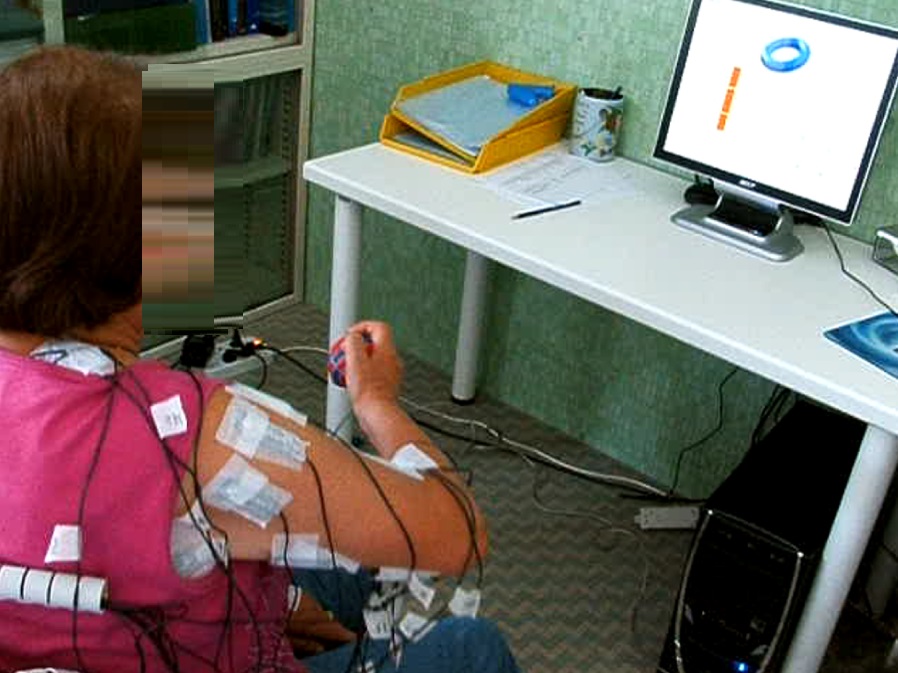
    Introduction

    In the investigation of the neural mechanisms underlying voluntary movements, the muscle synergies model has gained considerable traction. Muscle synergies are described as a set of muscles activated with a defined contribution and recruited with variable intensity and timing[1]. Muscle synergies are extracted applying decomposition algorithms from surface electromyography (sEMG) signals recorded during tasks execution[2]. In stroke rehabilitation, the implementation of muscle synergies analysis in clinical assessment has enabled the quantification of motor impairment and the prediction of motor recovery[3]. While many acquisition protocols have been implemented for upper limb assessment, there is still a need for one for hand assessment[4]. This is due to the variability among the subjects and the instrumental methods used [4]. In this PhD project, the main goal was to investigate the muscle synergies model to describe motor recovery at both upper limb (Study 1) and hand motor functions (Study 2), after stroke.

    Methods

    In Study 1, we analysed muscle synergies parameters of the upper limb (i.e. number of modules, percentage of merged muscle synergies) extracted from sEMG recorded by 16 muscles, both in affected and unaffected upper limbs. We collected data from 62 stroke survivors, who underwent a specific upper limb motor treatment (1h/day, 5times/week, 20 sessions).
    In Study 2, we developed a wearable device REMO for hand therapeutic application (Morecognition Ltd, Turin, Italy), composed by 8 dry bipolar sEMG electrodes able to detect muscles activation during hand movements. First, we certified REMO as Class1 medical device, then we defined the clinical features needed to control 1, 5 or 10 gestures using REMO, in a rehabilitation setting, in people with stroke. Finally, we implemented a new muscle-synergies-based index to describe muscle activation similarity between 4 healthy subjects and 10 people with stroke, following a hand specific motor training (1h/day, 5times/week, 15 sessions).

    Results

    In Study 1, overall patients improved upper limb motor function (mean improvement at Fugl-Meyer Assessment-Upper Extremity, FMA-UE=7.2±7.5; p<0.001), but not the number of muscle synergies extracted from the affected limb (mean difference=-0.2±1.1; p=0.374). According to the Minimally Clinically Important Difference of FMA-UE (Δ > 5 points), 34 patients responded to treatment (Responder) and 28 did not (Non-Responder). Only the percentage of merged muscle synergies differed between groups, with the Responder group significantly decreased (Δ Responder=-12.2%; Δ Non-Responder =1.8%; p=0.004).
    In Study 2, the use of REMO in people with stroke was predicted by mild impairment of upper limb function (FMA-UE > 18 points), no spasticity at flexor carpii muscle, no pain, neither joint restriction. Overall, patients showed recovery of hand function (mean improvement at FMA-hand= 3.6±1.9; p< 0.001) and improved sEMG similarity index only in pinch grasp (mean difference= 7.2±13.5; p< 0.001).

    Discussion and Conclusion

    In conclusion, muscle synergies analysis may provide new information on neural mechanisms underpinning recovery of upper limb and hand motor function. Upper limb rehabilitation therapies induced reduction of muscle synergies merging in people with stroke, in according to clinically important improvement of motor function (i.e., Responder patients). As for hand rehabilitation, the information provided by similarity index is not yet fully coherent with clinical outcome measures. Thus, advancements of protocols for muscle synergies extraction and calculation of similarity index are needed to improve assessment performance of upper limb and hand motor function, by wearable devices like REMO.

    REFERENCES

    [1] Bizzi E, Mussa-Ivaldi FA, Giszter S. Computations underlying the execution of movement: a biological perspective. Science. 1991 Jul 19;253(5017):287-91. doi: 10.1126/science.1857964. PMID: 1857964.

    [2] D’Avella A, Saltiel P, Bizzi E. Combinations of muscle synergies in the construction of a natural motor behavior. Nat Neurosci. 2003 Mar;6(3):300-8. doi: 10.1038/nn1010. PMID: 12563264.

    [3] Cheung VC, Turolla A, Agostini M, Silvoni S, Bennis C, Kasi P, Paganoni S, Bonato P, Bizzi E. Muscle synergy patterns as physiological markers of motor cortical damage. Proc Natl Acad Sci U S A. 2012 Sep 4;109(36):14652-6. doi: 10.1073/pnas.1212056109. Epub 2012 Aug 20. PMID: 22908288; PMCID: PMC3437897.

    [4] Zhao K, Zhang Z, Wen H, Liu B, Li J, Andrea d’Avella, Scano A. Muscle synergies for evaluating upper limb in clinical applications: A systematic review. Heliyon. 2023 May 11;9(5):e16202. doi: 10.1016/j.heliyon.2023.e16202. PMID: 37215841; PMCID: PMC10199229.