Taxonomy and Clinical Implications of Motor Control in Musculoskeletal Low Back Pain. A Scoping Review
Autori
Federico Fiorini (University of Rome La Sapienza Department of Human Neuroscience, Rome,Italy)
Mirko Zitti (University of Rome La Sapienza Department of Human Neuroscience, Rome,Italy)
Rebecca Andreutto (University of Rome La Sapienza Department of Human Neuroscience, Rome,Italy)
Graziano Raffaele(University of Rome La Sapienza Department of Human Neuroscience, Rome,Italy)
Fabio Fiorentino(University of Rome La Sapienza Department of Human Neuroscience, Rome,Italy)
Rachele Paciotti(University of Rome La Sapienza Department of Human Neuroscience, Rome,Italy)
Lorenzo Storari(University of Rome La Sapienza Department of Human Neuroscience, Rome,Italy)
Fabiola Garzonio(University of Rome La Sapienza Department of Human Neuroscience, Rome,Italy)
Giulia Ganassin(University of Rome La Sapienza Department of Human Neuroscience, Rome,Italy)
FIlippo Maselli(University of Rome La Sapienza Department of Human Neuroscience, Rome,Italy)
Background and aims
Motor control impairments (MCI) are a clinical manifestation of musculoskeletal low back pain (MSK-LBP). However, no consensus exists on the definition of motor control (MC). Various definitions highlight neurological and musculoskeletal aspects, while the most effective strategies for managing MC impairments in MSK-LBP remain unclear.
This review aims to map different MC definitions, understand its role, and explore its influence within MSK-LBP.
Methods
A comprehensive literature search was conducted across four databases (MEDLINE, Cochrane Library, Scopus, and Web of Science) for articles published up to November 15, 2024. Eligible sources included systematic reviews, narrative reviews, randomized controlled trials, expert opinions, validation studies, editorials, and clinical commentaries. No publication date restrictions were applied.
Only articles published in English were considered for inclusion.
The drafting of the manuscript adhered to the Preferred Reporting Items for Systematic Reviews and Meta-Analyses extension for Scoping Reviews (PRISMA-ScR) guidelines.
The study protocol was prospectively registered on the Open Science Framework (OSF) at OSF.IO/D4TAC
Results
A total of 3596 records were identified, of which only 26 studies met the eligibility criteria.
The most recent literature defines MC as “an area of physics exploring laws of nature defining how the nervous system interacts with other body parts and the environment to produce purposeful, coordinated actions”.
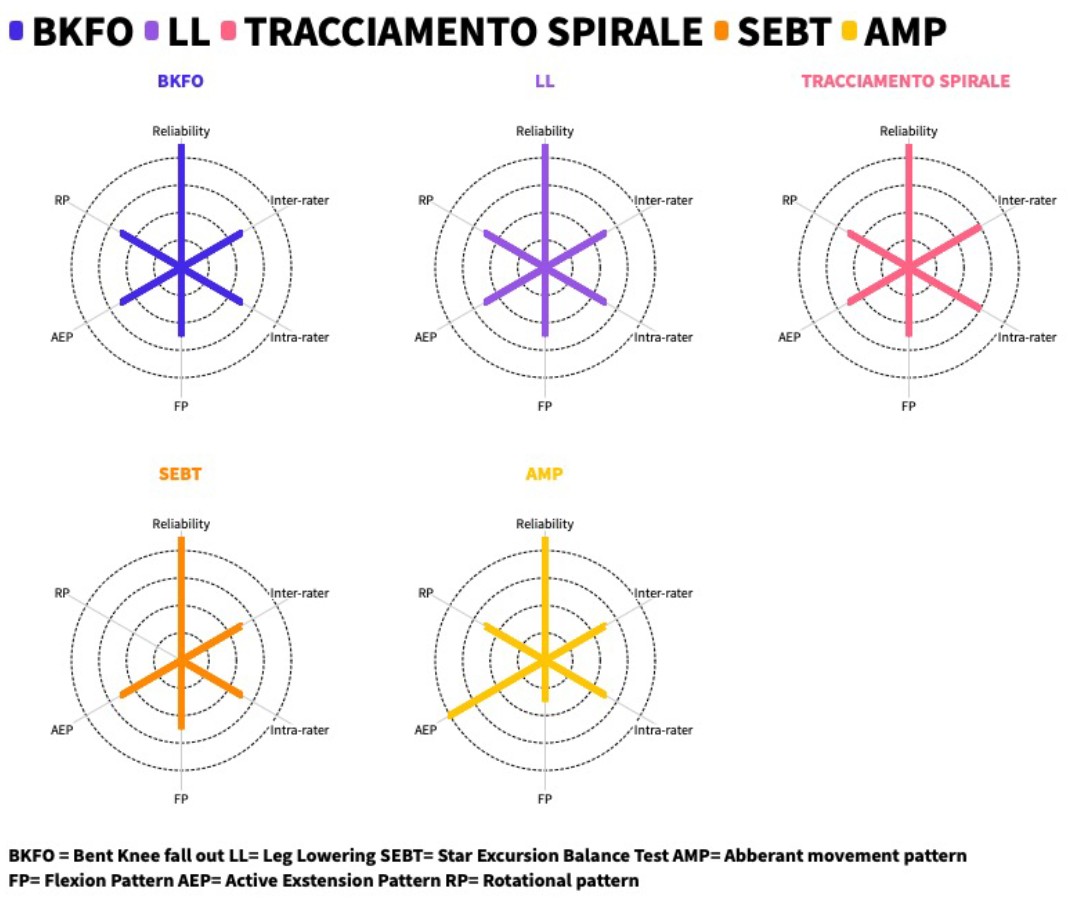
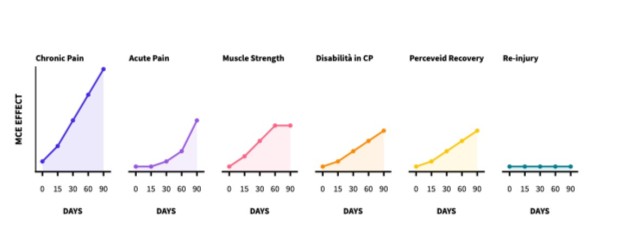
Motor control exercise has medium and long-term positive effects in the rehabilitation of musculoskeletal chronic low back pain. However, it appears to be comparable to other forms of exercise.
Conclusion
MC depends on central nervous system function, but its direct correlation with MSK-LBP remains unclear. Current evidence does not support MC exercises for acute or subacute MSK-LBP, potentially due to misclassification of interventions not adhering to MC principles. It remains uncertain whether MCI is a primary pain generator in MSK-LBP or a consequence of the condition.
REFERENCES
- Low M. A Time to Reflect on Motor Control in Musculoskeletal Physical Therapy.The Journal of orthopaedic and sports physical therapy 2018; 48(11): 833–836.
- Levin, M. F., & Piscitelli, D. Motor Control: A Conceptual Framework for Rehabilitation.Motor control 2022; 26(4): 497–517.
- Ganesh, G. S., Kaur, P., & Meena, S. Systematic reviews evaluating the effectiveness of motor control exercises in patients with non-specific low back pain do not consider its principles – A review. Journal of bodywork and movement therapies 2021; 26: 374–393
- Kantak, S. S., Johnson, T., & Zarzycki, R. Linking Pain and Motor Control: ConceptualizationMovement Deficits in Patients With Painful Conditions.Physical therapy 2022; 102(4).
- Van Dieën, J. H., Reeves, N. P., Kawchuk, G., van Dillen, L. R., & Hodges, P. W. Motor Control Changes in Low Back Pain: Divergence in Presentations and Mechanisms. The Journal of orthopaedic and sports physical therapy 2019; 49(6): 370–379