Efficacy of a dual task protocol on neurophysiological and clinical outcomes in migraine: a randomized control trial
Autori
Manuela Deodato (Department of Medical, Surgical and Health Sciences, University of Trieste, Trieste, Italy )
Background and aims
The main aim of this study was to investigate the efficacy of a dual task protocol in people with episodic migraine with respect to both active exercises only and cognitive task only treatments, concerning some neurophysiological and clinical outcomes.
Methods
A randomized control trial was adopted. It was approved by the institutional review board (CEUR ID3672) and it was registered on ClinicalTrials.gov (NCT05596058). The inclusion criteria were: Episodic migraine diagnosis (ICHD-3); Age between 18 and 65 years. While exclusion criteria were: migraine with aura; contraindications to TMS; other neurological or psychiatric disorders; cardiac implantable devices; drug intake that may change the cortical excitability; migraine prophylaxis treatment in the last 3 months; comorbidities such as depression, anxiety, sleep disorders.
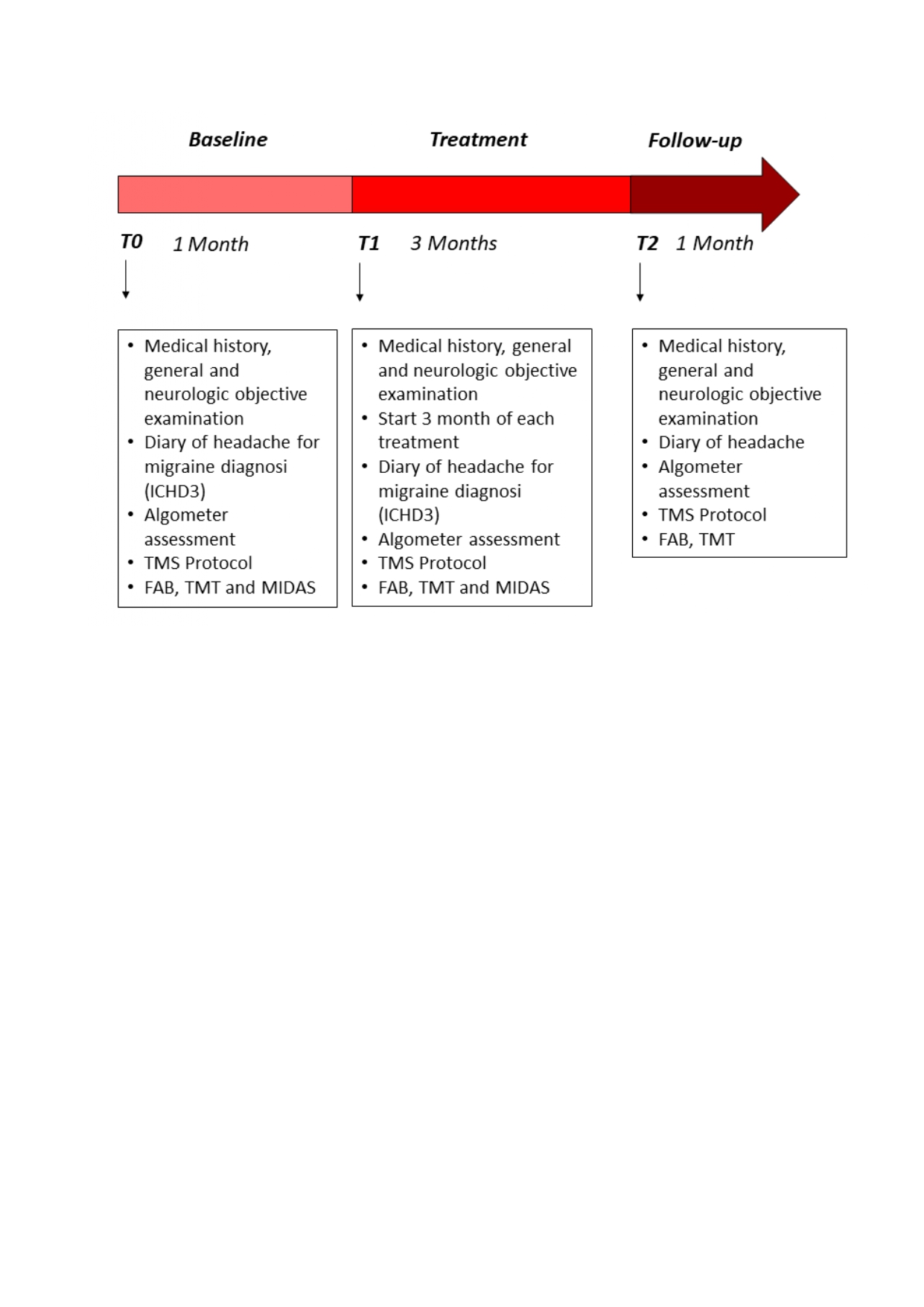
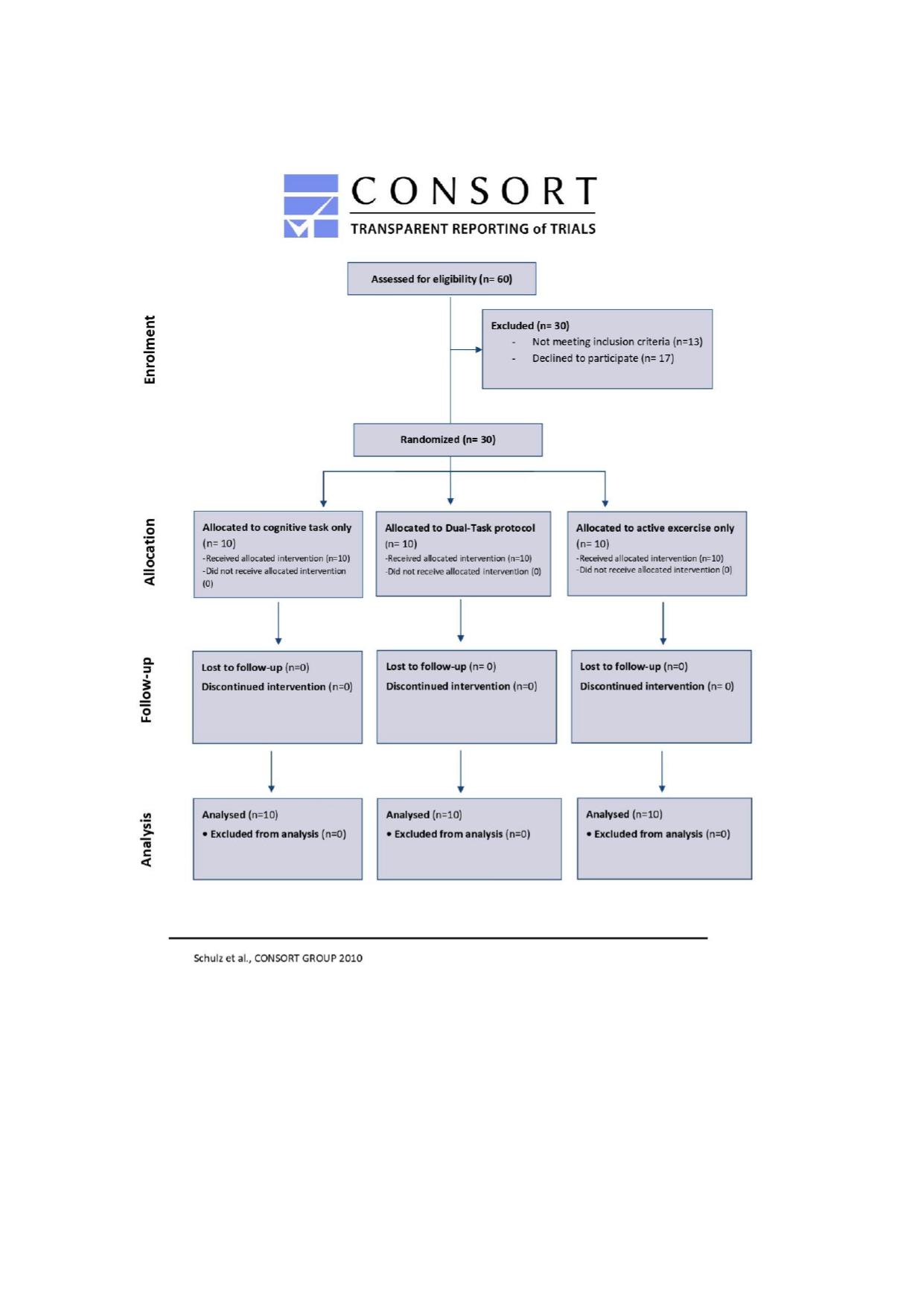
Some neurophysiological and clinical outcomes were collected: resting motor threshold (rMT), short intracortical inhibition (SICI) and facilitation (ICF), pressure pain threshold (PPT), trail making test (TMT), frontal assessment battery (FAB), headache-related disability (MIDAS) and headache parameters. Then, participants were randomized into three groups: active exercise only (n = 10), cognitive task only (n = 10) and dual task protocol (n = 10). After 3 months of each treatment and after 1-month follow-up the same neurophysiological and clinical outcomes were revaluated.
Results
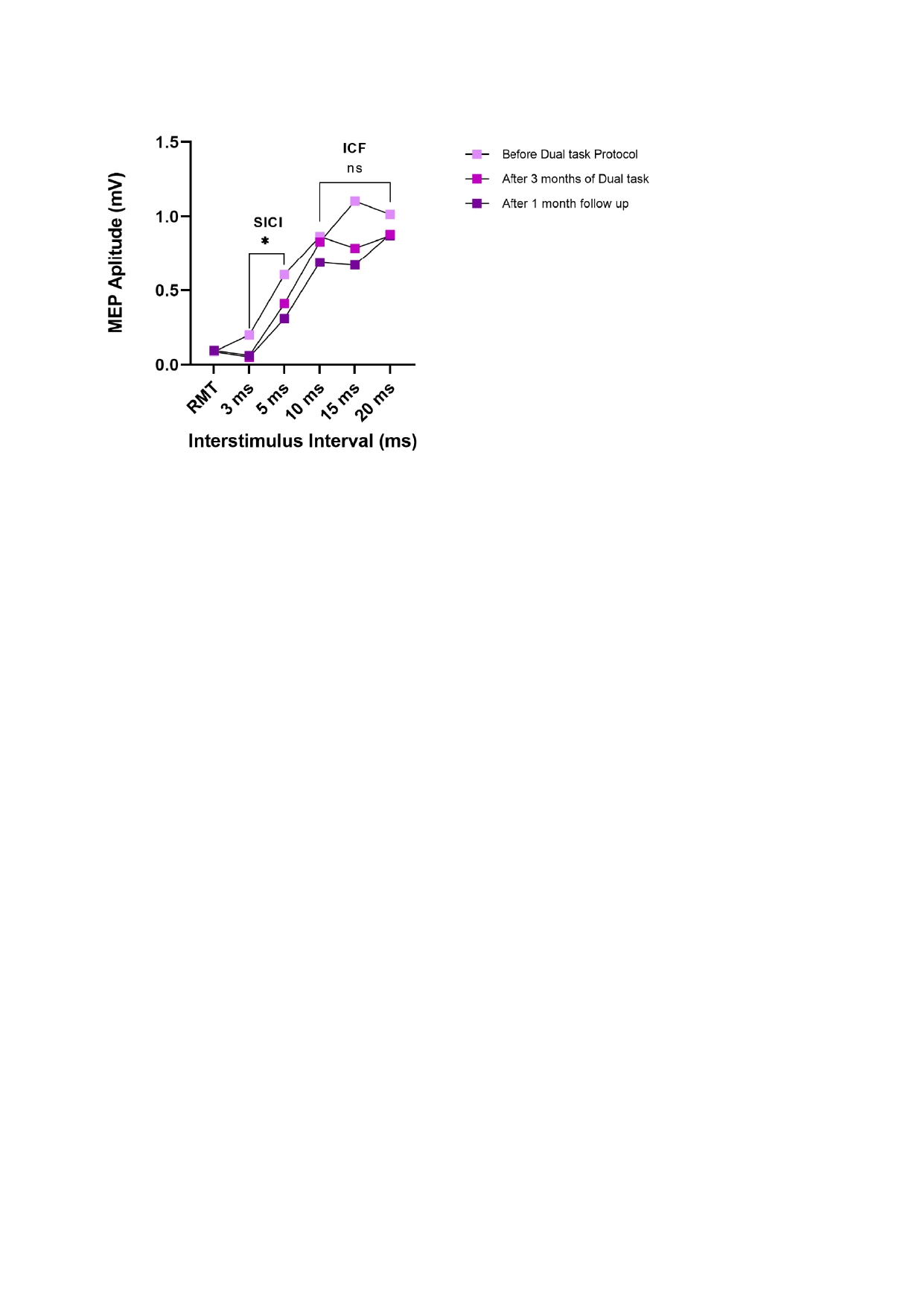
A total of 30 adults with episodic migraine were included. The active exercise-only group consisted of 2 men and 8 females (36.5 ± 13.9); the cognitive task-only group consisted of 2 men and 8 females (mean age 42.7 ± 11.2); the dual task protocol group consisted of 2 men and 8 females (mean age 48.3 ± 9.7). A significant time x group effect was only found for the trapezius muscle (p = 0.012, pη2 = 0.210), suggesting that PPT increased significantly only in active exercise and dual task protocol groups. A significant time effect was found for rMT (p < 0.001, pη2 = 0.473), MIDAS (p < 0.001, pη2 = 0.426), TMT (p < 0.001, pη2 = 0.338) and FAB (p < 0.001, pη2 = 0.462). A repeated measures ANOVA for SICI at 3 ms highlighted a statistically significant time effect for the dual task group (p < 0.001, pη2 = 0.629), but not for the active exercises group (p = 0.565, pη2 = 0.061), and for the cognitive training (p = 0.357, pη2 = 0.108).
Conclusion
The dual task protocol seems to have a more evident effect on both habituation and sensitization outcomes than the two monotherapies taken alone in people with migraine.
REFERENCES
- Goadsby PJ, Holland PR, Martins-Oliveira M, et al (2017) Pathophysiology of migraine: A disorder of sensory processing. Physiol Rev 97:. 10.1152/physrev.00034.2015
- Coppola G, Pierelli F, Schoenen J (2009) Habituation and migraine. Neurobiol Learn Mem 92:. 10.1016/j.nlm.2008.07.006
- Lemmens J, de Pauw J, van Soom T, et al (2019) The effect of aerobic exercise on the number of migraine days, duration and pain intensity in migraine: A systematic literature review and meta-analysis. J Headache Pain 20. 10.1186/s10194-019-0961-8
- Deodato M, Granato A, Martini M, et al. Neurophysiological and Clinical Outcomes in Episodic Migraine Without Aura: A Cross-Sectional Study. J Clin Neurophysiol. 2023 doi: 10.1097/WNP.0000000000001055.